News Steam news Half-Life 3 in 2026: Between Fan Hope and Valve’s Business Reality
Half-Life 3 in 2026: Between Fan Hope and Valve’s Business Reality
Half-Life 3 in 2026: Between Fan Hope and Valve's Business Reality

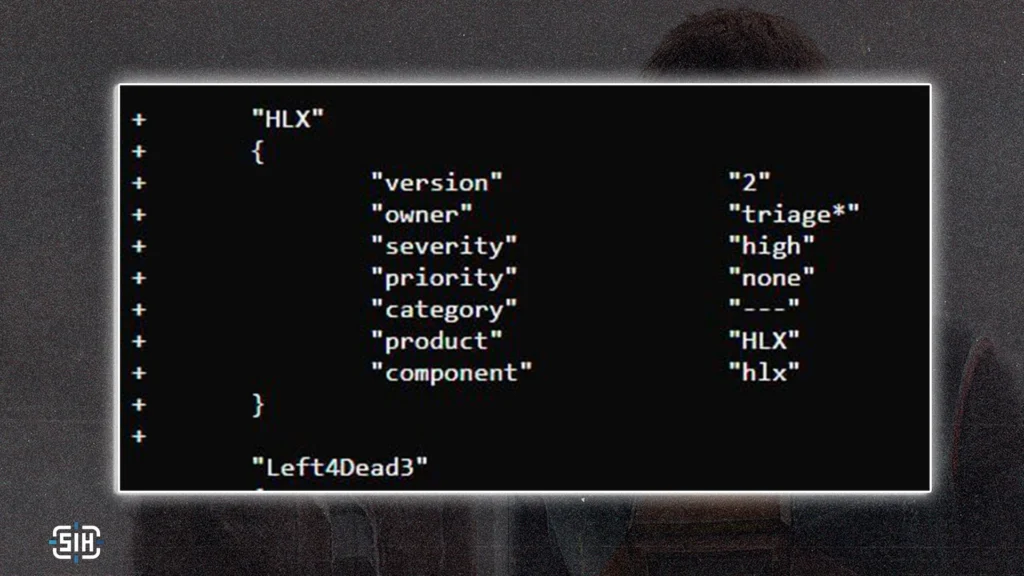
In early 2026, the topic of Half-Life 3 burst into the information space once again. The community, which has been living in waiting mode for over fifteen years, received another dose of hope: dataminers, insiders, and influencers began talking about development being “almost complete,” with an announcement potentially closer than ever. The essence is simple: a project codenamed HLX (which almost everyone automatically equated with Half-Life 3) has allegedly passed the main development stage, key systems are ready, and some developers are being “freed up” and switched to other tasks. In the industry, this often really does mean the final stage—optimization, polish, and preparation for announcement.

If you extract this logic from Valve’s context, it sounds plausible. That’s exactly how many insiders and influencers present it. But the problem is that Valve is not an “ordinary” studio.

Why the "Developer Reassignment" Argument Doesn't Work

Why the "Developer Reassignment" Argument Doesn't Work

One of the most convenient arguments from “imminent release” supporters is the supposedly confirmed fact that Half-Life 3 developers have started being transferred to other projects. This argument looks great in headlines but crumbles at the first encounter with Valve’s reality.

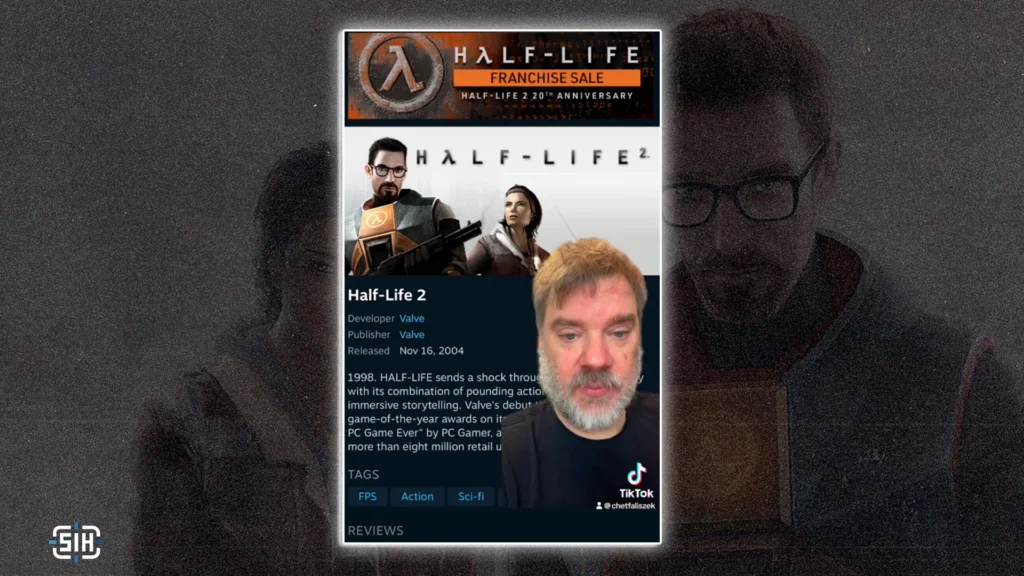
Former company writer Chet Faliszek, who worked on Half-Life 2, openly ridiculed this interpretation. According to him, Valve’s internal logic works completely differently:

  • The company has no rigid hierarchy or fixed teams
  • Employees freely move between tasks
  • “Reassignment” can mean anything—from urgent help on another project to a simple change of interests

Valve has lived for years with a flat structure, and trying to read their internal processes as a classic development finale is, to put it mildly, naive. In this context, personnel movements prove absolutely nothing.

Where the Community's Main Frustration Begins

But if rumors about Half-Life 3 inspire hope, Valve’s parallel reality only brings frustration.

In recent months, one thought has increasingly echoed through the community: Valve clearly devotes far more time and resources to Deadlock than to Half-Life. And this is no longer just speculation, but an observable trend.

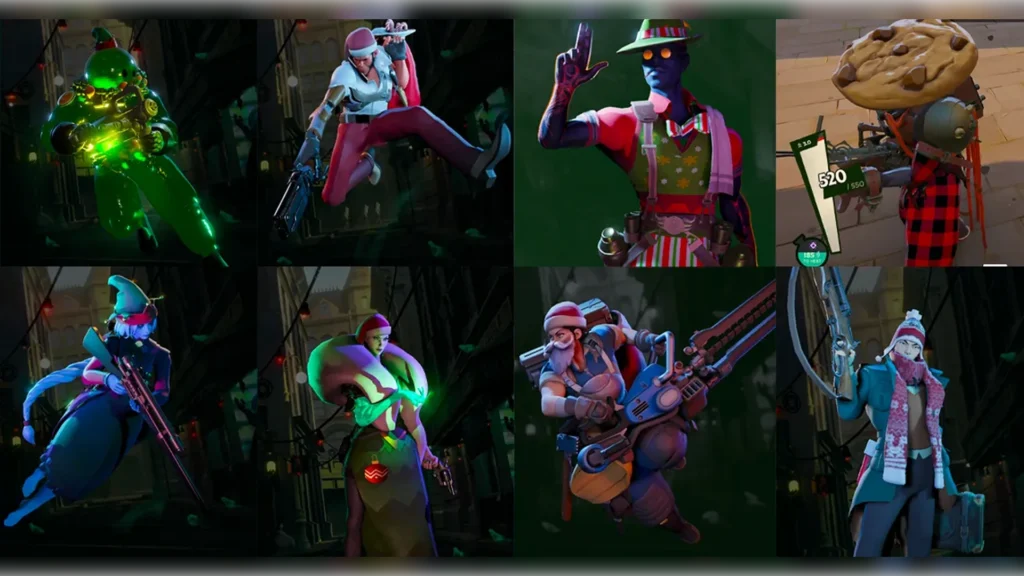
Deadlock –  a multiplayer shooter with MOBA elements -has become the company’s de facto flagship. In 2025-2026, the game regularly receives major updates: new heroes, modes, balance changes. But most importantly — the development of a cosmetic ecosystem. Dataminers discovered code in Deadlock’s files related to trading, item recycling, and the beginnings of a full-fledged marketplace.

For Half-Life fans, this looks particularly painful. While the legendary series exists only as rumors and lines of code, developers are actively working on yet another game—with the same foundation as CS2 or Dota 2: cosmetics + trading + marketplace = stable income. This is where the key conflict between expectations and reality emerges.

Valve's Business Reality: Why Half-Life Is Losing

Valve's Business Reality: Why Half-Life Is Losing

No matter how much one might want to believe in Half-Life’s “sacred” status for Valve, the company has long operated by the laws of big business. And in these laws, everything is extremely simple: long-term monetization almost always beats one-time game sales.

Even Half-Life 3, with all its cult status, remains a single-purchase product. Yes, it will sell huge numbers. Yes, it will explode the information space. But in a year or two, this financial effect will fade.

Deadlock, CS2, Dota 2 — these are a completely different story. These are ecosystems that:

  • Generate money for years
  • Are fueled by cosmetics and trading
  • Live off not only players but also traders, speculators, and the marketplace

From a cold economic perspective, Valve’s choice is absolutely rational. And this is what angers part of the community most: the feeling that a cult series has become less important than another skin marketplace.

Indirect Signs of Priorities: What's Happening with Steam and Trading

An additional touch to the picture — what’s happening with Steam’s infrastructure. Those who work directly with the inventory and trading system (including third-party services and extensions) note an unprecedented volume of changes over the past year.

APIs are being updated, server logic, item processing mechanics — and this process isn’t slowing down. Just a couple of years ago, this pace simply didn’t exist. This clearly indicates that Valve is investing enormous resources specifically into the ecosystem supporting monetization through cosmetics and the trading platform.

And if you compare this with Deadlock’s active development, it becomes obvious: the company’s priorities don’t lie in the realm of single-player narrative games.

Conclusion: Half-Life 3 Exists, But Not as the Main Project

Conclusion: Half-Life 3 Exists, But Not as the Main Project

The most honest conclusion that can be made at the beginning of 2026 sounds like this:

Half-Life 3 most likely really does exist. There are traces of development, dataminers find mentions of HLX, Borealis, and other elements, and Valve has never officially closed the door on the series’ return.

But at the same time, everything points to it not being priority number 1. It’s painful for fans to admit this, and that’s understandable. Half-Life isn’t just a game — it’s a cultural phenomenon. But in the world of capitalism, even legends must yield to projects that bring stable long-term income.

The project will be released sooner or later — the brand is too significant to be buried completely. But perhaps the main problem with current rumors is that influencers and insiders are selling hope without adjusting for reality.

And Valve’s reality right now is simple: Deadlock, trading, and the ecosystem are more important than one big single-player game. We hope for the best. But we remember Valve Time.

Author:

Alex is an author and esports observer with more than seven years of experience. He specializes in analyzing new releases in the world of computer games, gaming services, and in-game economies. Alex shares practical experience and an expert perspective on the development of gaming, helping readers understand complex mechanics and stay up to date with the latest news.