Games That Flopped at Launch But Became Legends
In the world of video games, a launch is always a gamble. Ambitious projects sometimes ship rough: buggy, light on content, and weighed down by inflated expectations. Players leave negative reviews, Steam ratings tank, and the press publishes scathing articles. But some studios refuse to give up — they own their mistakes, listen to the community, and spend years releasing patches, new content, and full-scale reworks. The result? Games that are today considered iconic.
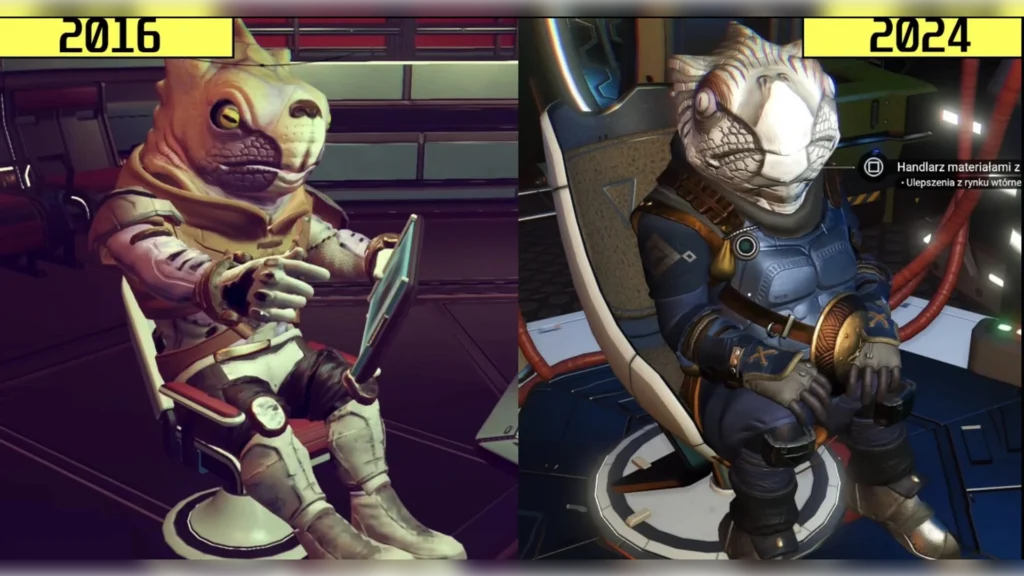
1. No Man's Sky (Hello Games, 2016)
One of the most notorious disasters in gaming history. The game promised an infinite universe with player encounters, diverse planets, factions, and deep gameplay. What launched was a tedious walk through repetitive worlds: no multiplayer, sparse content, bugs, and broken promises from the trailers. Ratings collapsed, players sent death threats to the developers, and Sean Murray went dark for a long time.
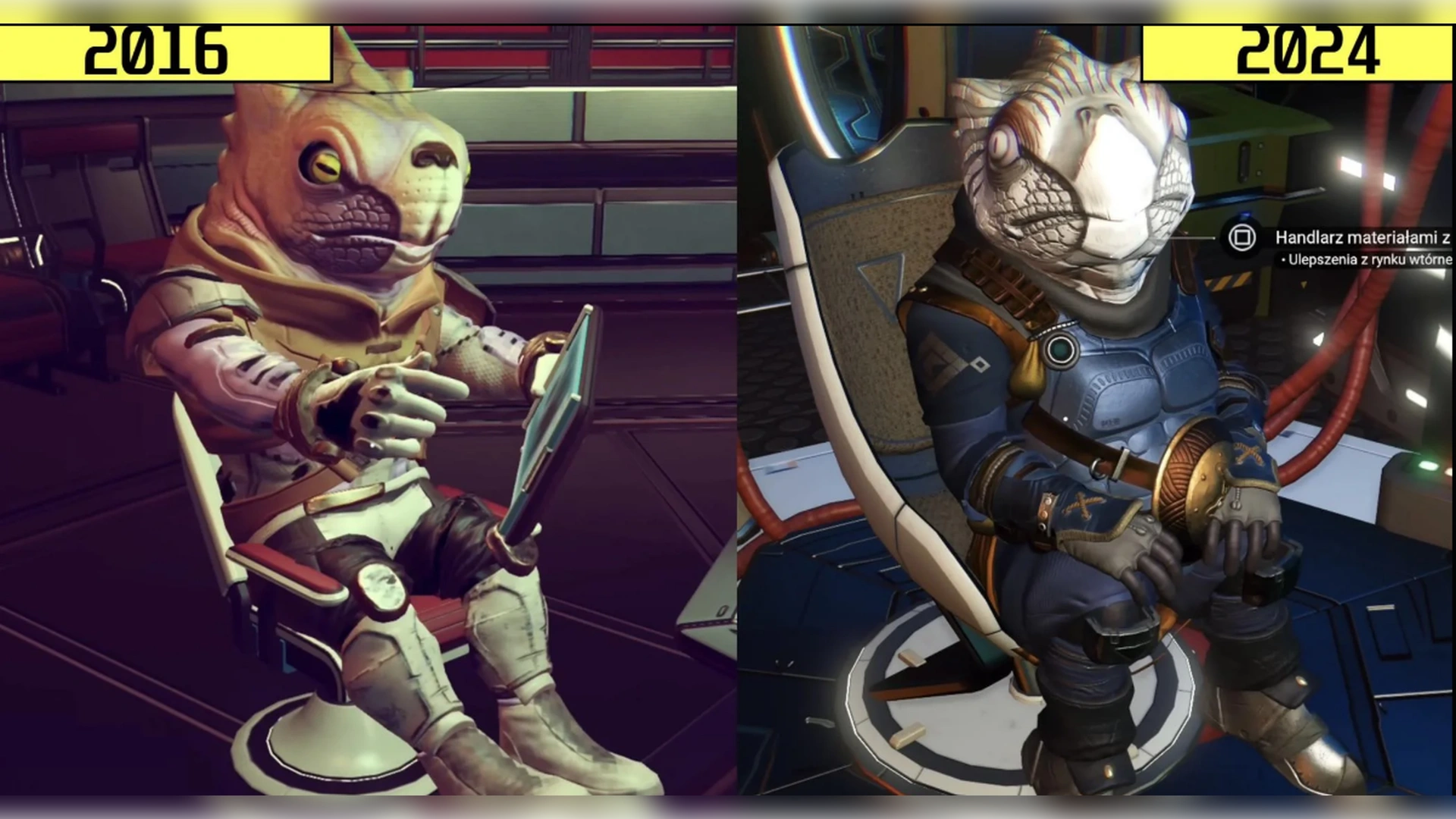
In November 2016, Hello Games finally acknowledged the criticism and promised improvements. Over the following years, more than 30 major free updates shipped:
- Foundation (base building)
- Pathfinder (ground vehicles)
- Atlas Rises
- NEXT (full multiplayer and a visual overhaul)
- Beyond (VR and social features)
- Origins, Endurance, Worlds, and Voyager (2025)
- Expeditions, new biomes, freighter fleets, improved AI, and hundreds of hours of content were all added.
Murray later admitted the studio had overestimated its capabilities and failed to manage media expectations. Hello Games chose a strategy of silence and quiet work — and it paid off. Today No Man’s Sky holds a “Very Positive” rating, boasts an active community, and regularly wins awards as the best ongoing project. It’s the classic story of a small studio winning back trust through action.
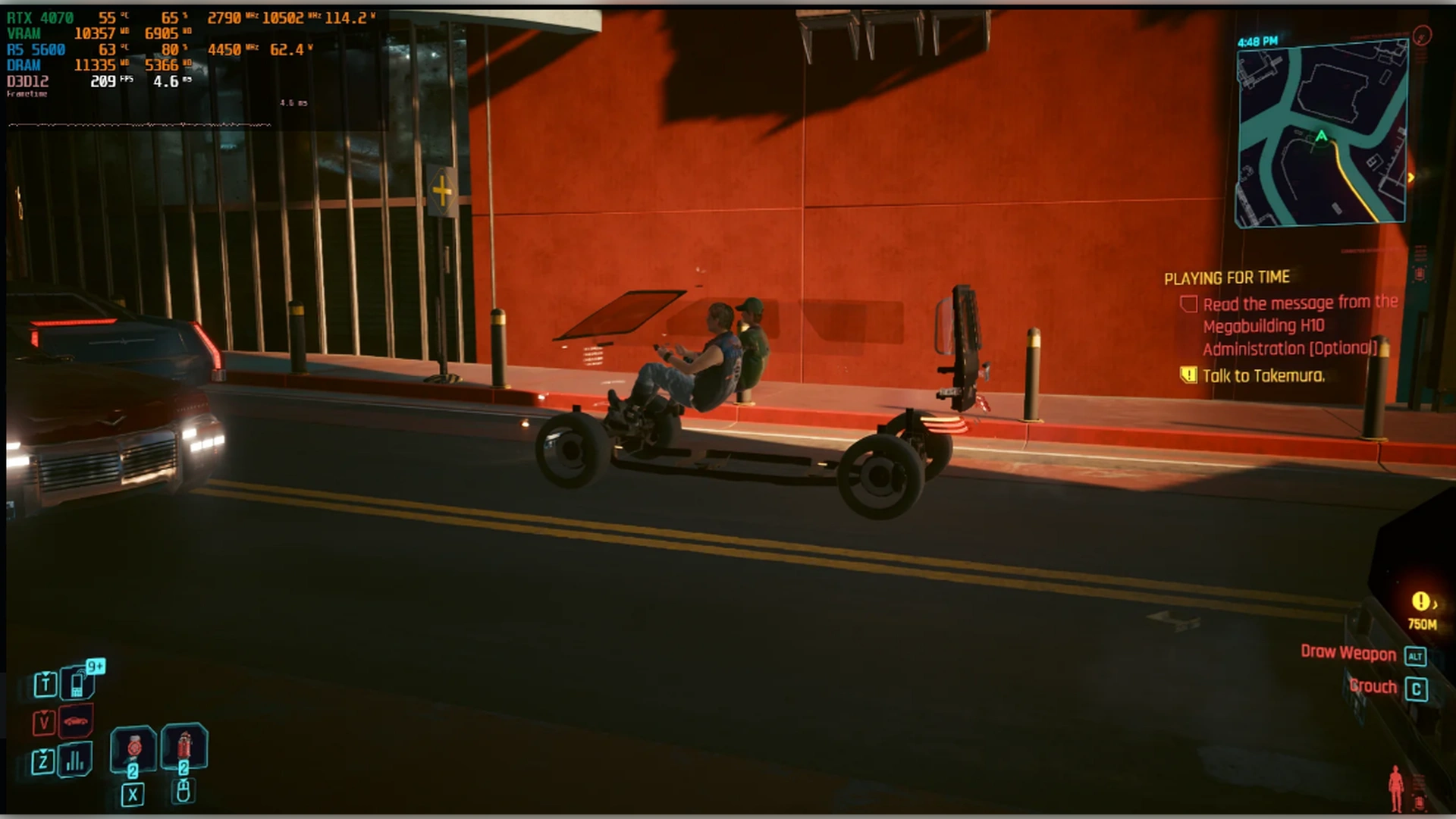
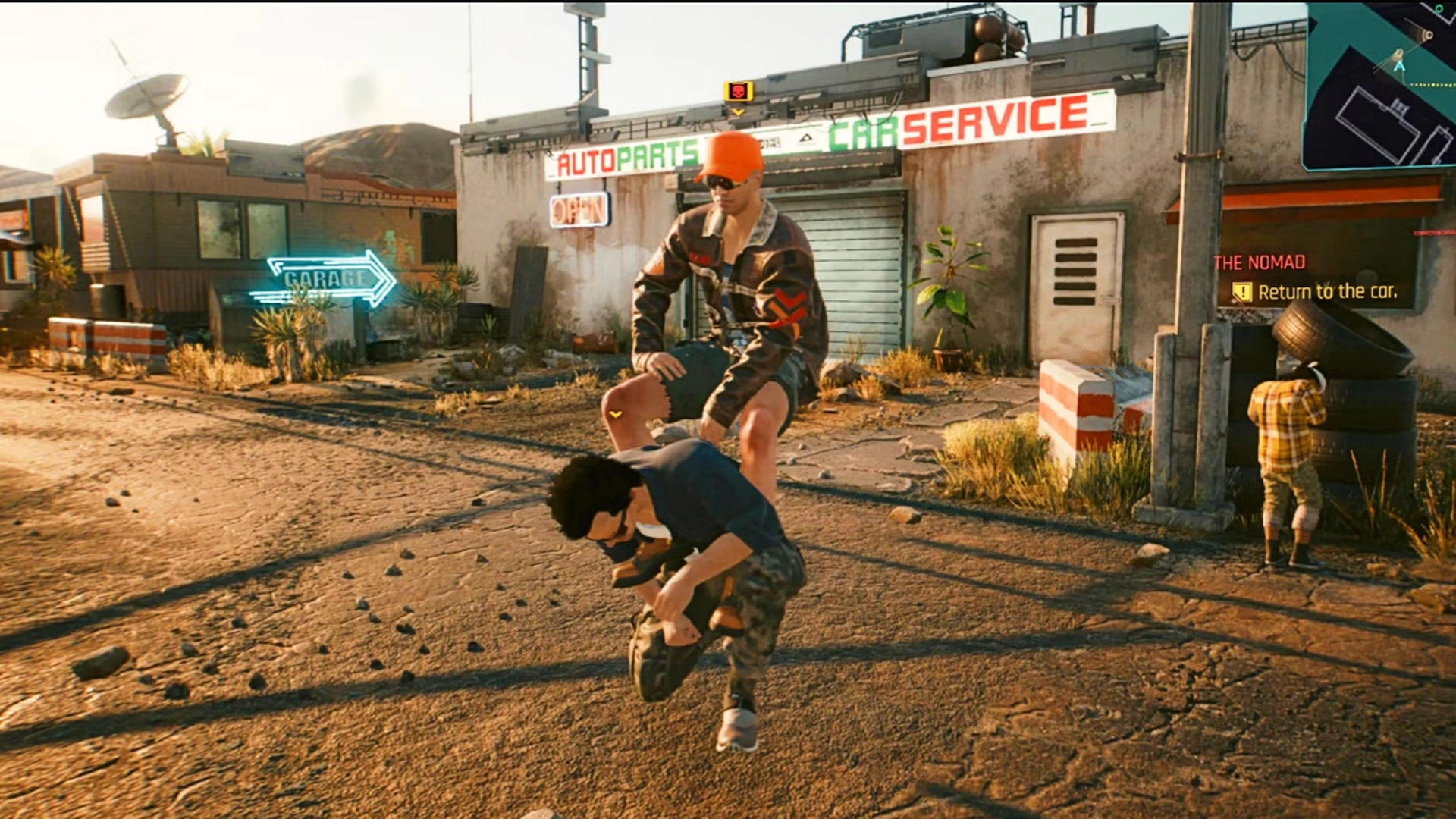
2. Cyberpunk 2077 (CD Projekt RED, 2020)
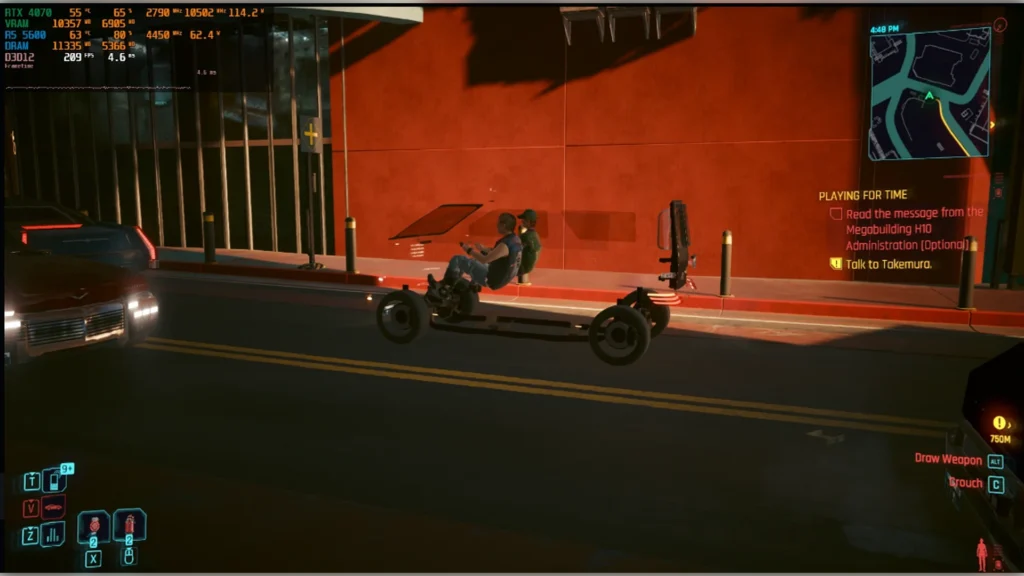
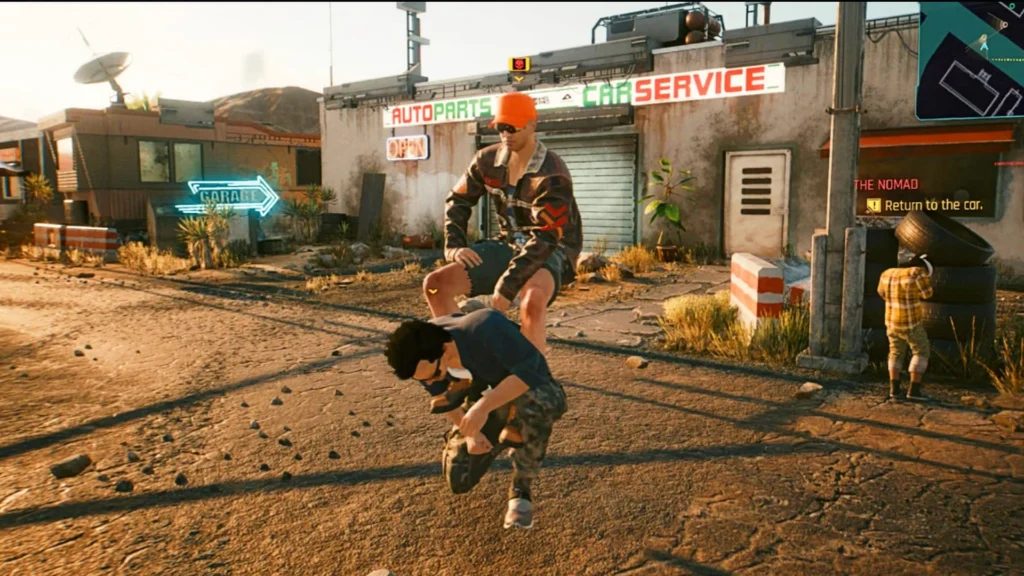
The biggest gaming scandal of the decade. After eight years of development and massive hype, the game launched as a disaster — especially on PS4 and Xbox One: constant crashes, bugs, broken AI, terrible frame rates, and unplayable quests. The PC version had its share of problems too. CDPR pulled the game from the PlayStation Store and began issuing refunds.
In January 2021, the studio released a detailed statement: “We underestimated the scale of problems on last-gen consoles and ignored internal signals that we needed more time.” The CEO and co-founders personally explained how the focus on marketing and the PC version led to the failures.
Over three years, numerous updates followed, culminating in Patch 2.0 (2023) — a comprehensive overhaul of core systems: a new police system, reworked perks, vehicles, economy, and balance. The Phantom Liberty DLC added a new district, a rich storyline, and excellent gameplay.
Today, Cyberpunk 2077 stands as one of the best single-player open-world RPGs, with high ratings and widespread praise for the atmosphere of Night City. CDPR proved that even after a reputational implosion and a stock price crash, a full comeback is possible.
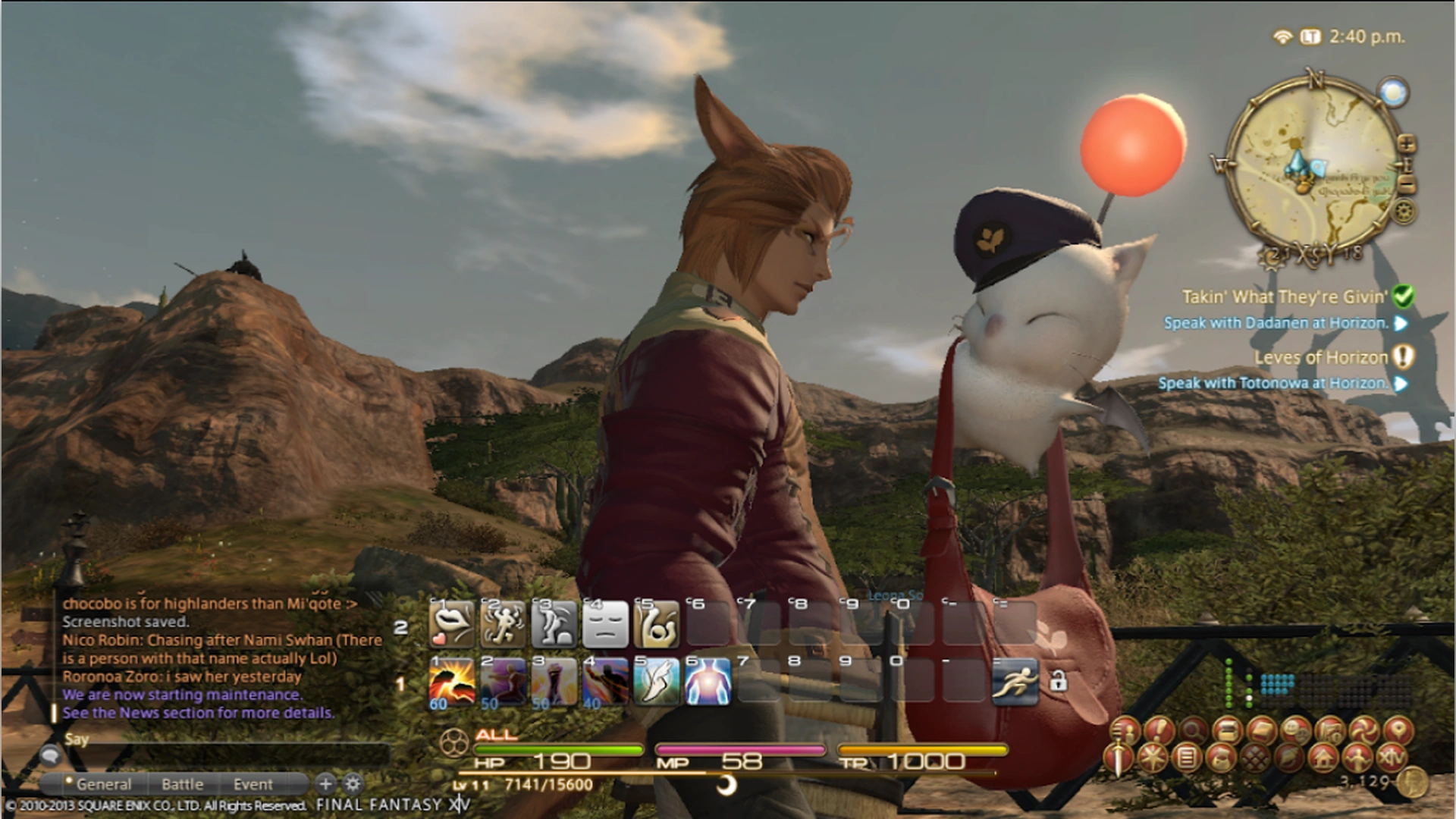
3. Final Fantasy XIV (Square Enix, 2010 → A Realm Reborn, 2013)
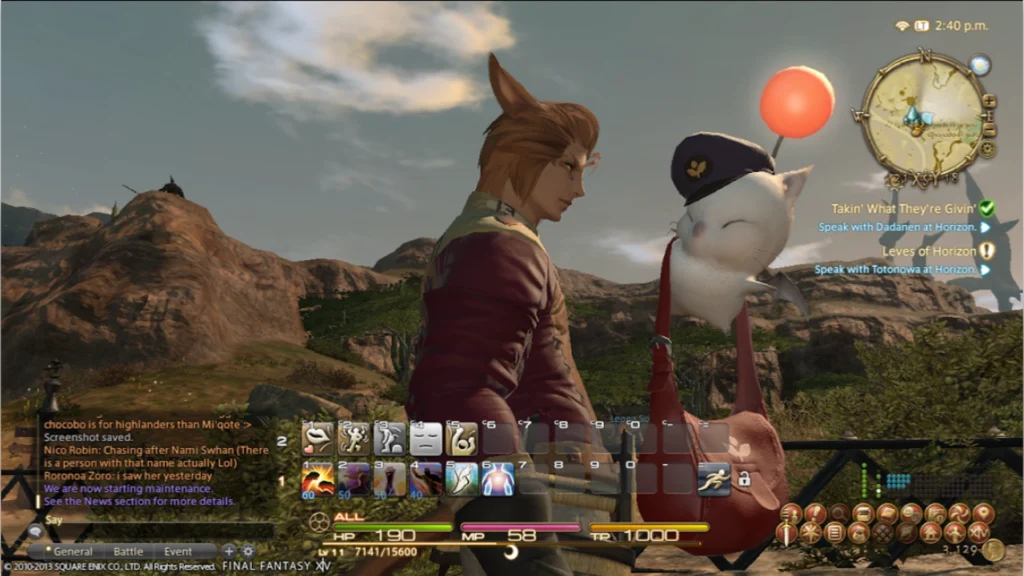
The most radical case of all — a complete relaunch. The original FFXIV launched in 2010 as a full-blown catastrophe: a terrible UI, constant server outages, dull content, bugs, and a game that was barely playable. Players left in droves, sales fell, and reviews were devastating.
Director Naoki Yoshida (Yoshi-P) issued a public apology, took personal responsibility, and shut the servers down. Square Enix relaunched the game as Final Fantasy XIV: A Realm Reborn — completely rebuilding the engine, mechanics, story, UI, and combat system. Yoshida personally wrote letters to the community, promising: “We will do everything to earn back your trust.” The game was developed under a tight schedule but with an uncompromising focus on quality.
Today, FFXIV is one of the best and most stable MMORPGs, with a rich narrative, regular major content patches, and a deeply loyal community. This wasn’t just a fix — it was a genuine resurrection of a franchise, one that continues to inspire the industry to this day.
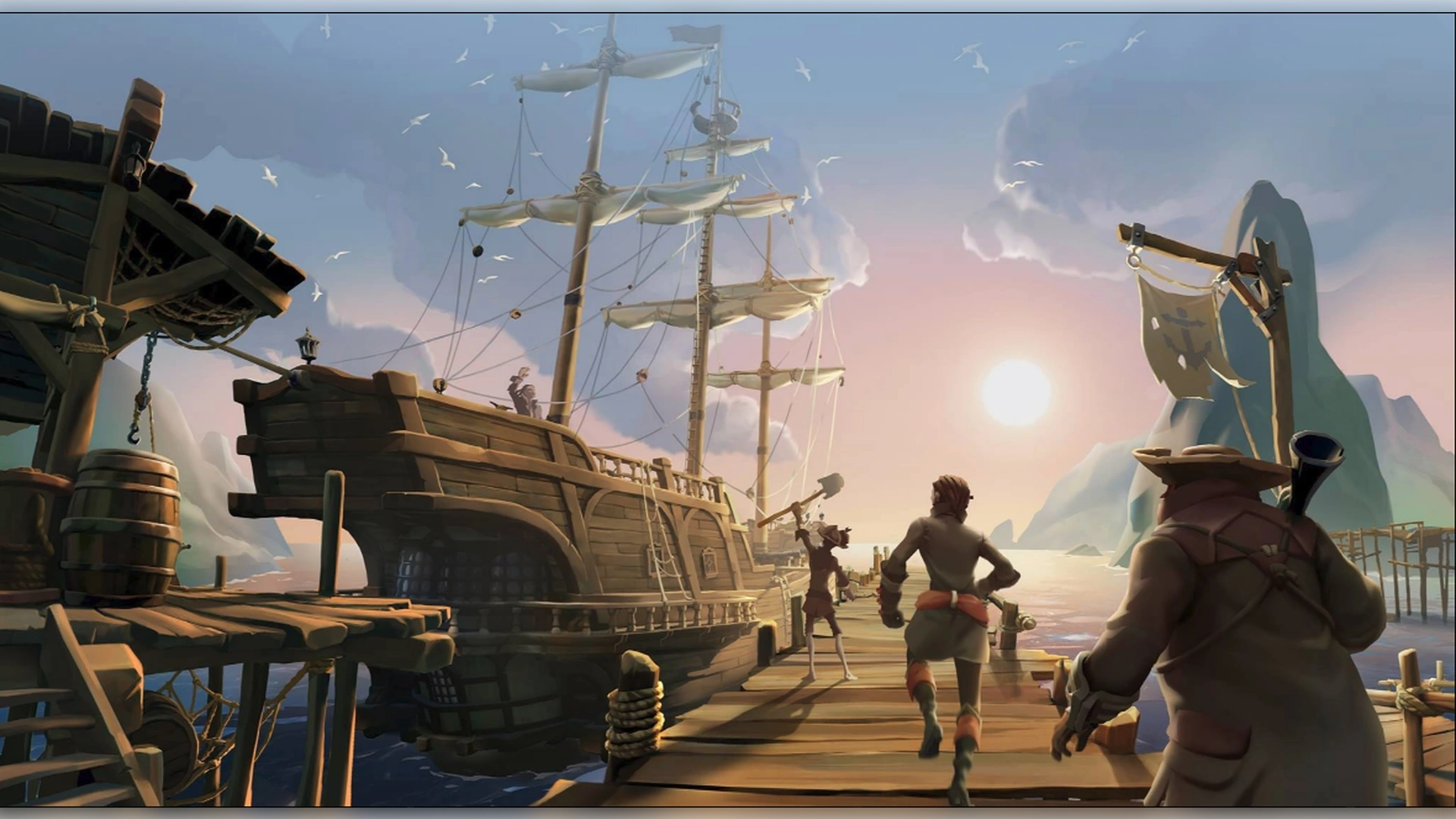
4. Sea of Thieves (Rare, 2018)
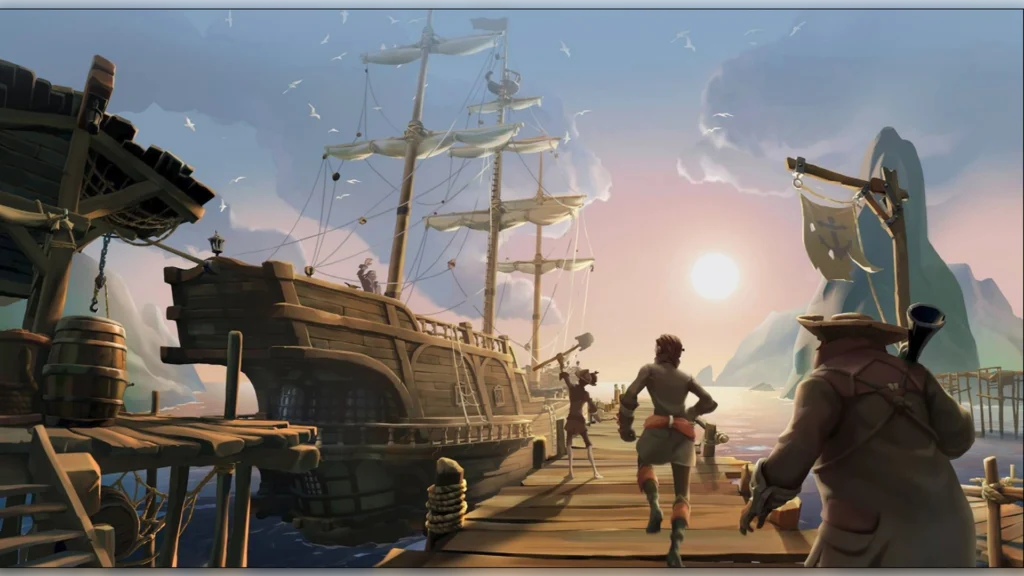
A beautiful pirate sandbox that launched hollow: little content, frequent server outages, and repetitive gameplay. Players complained: “It’s gorgeous, but there’s nothing to do after a few hours.”
Rare immediately opened up active communication through dev blogs and consistent updates. They added Tall Tales (story-driven adventures), new enemies (the Megalodon, skeleton ships), the Devil’s Roar region, seasons, PvPvE events, new ships, and cosmetics. By 2020, the game had received 38 significant additions — all free. The developers acknowledged: “We underestimated how much content was needed at launch, and we were too slow to react.”
Today, Sea of Thieves is a thriving online game with millions of players, a living ecosystem, and a steady stream of content. Rare transformed an empty sandbox into a fully realized pirate universe.
5. Star Wars Battlefront II (EA DICE, 2017)
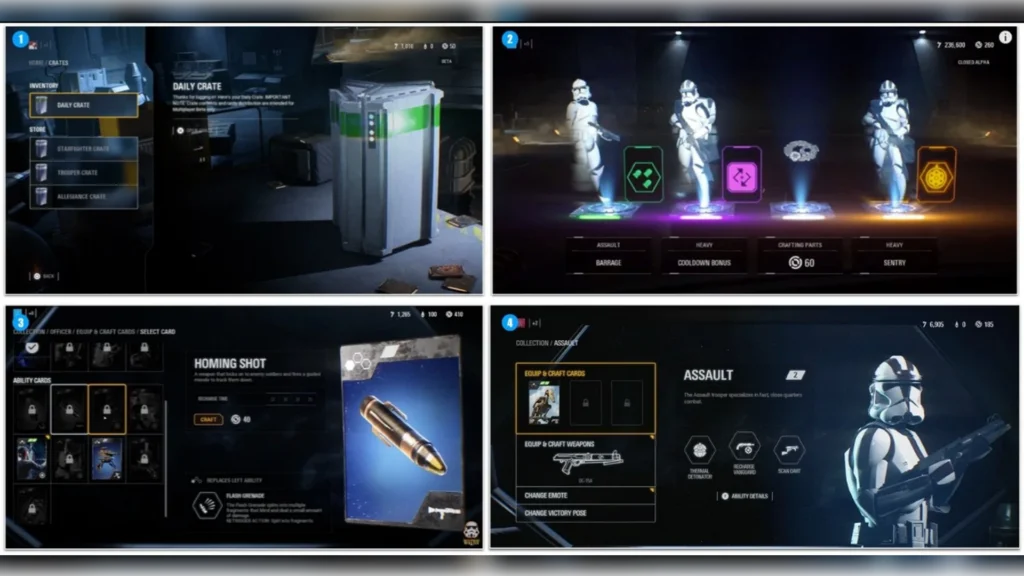
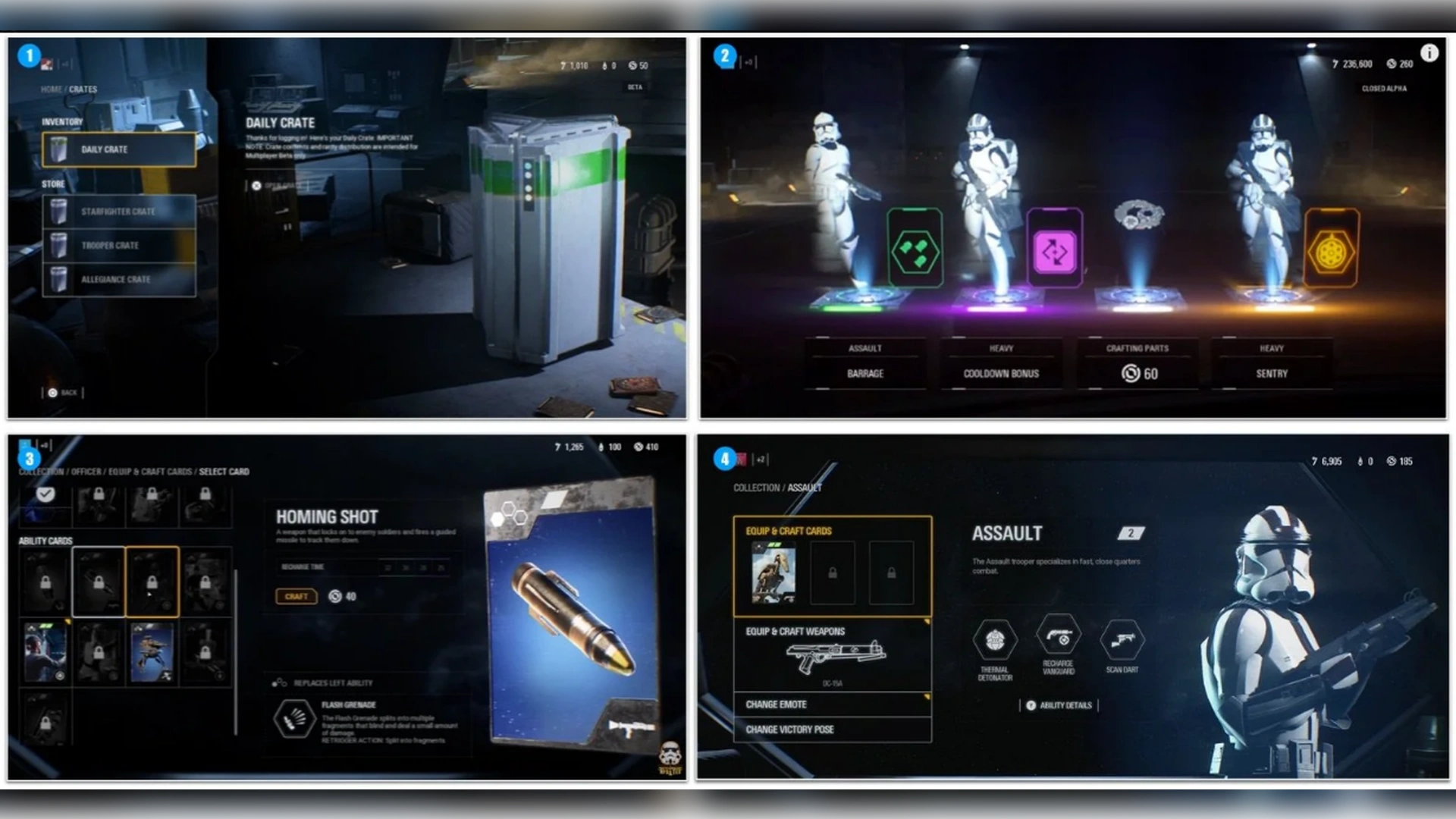
The launch was remembered not for its gameplay, but for a lootbox scandal. Progression required dozens — or hundreds — of hours, or real money, to unlock heroes like Darth Vader. Players erupted in fury, and EA’s Reddit post became the most downvoted comment in the site’s history.
EA responded quickly: “We got this wrong.” Patrick Söderlund and other executives apologized. Microtransactions were temporarily disabled, the cost of heroes was slashed by 75%, and the progression system was reworked around fair grinding. A single-player campaign, new maps, modes, and balance fixes followed.
The game became significantly fairer and more fun. Today many look back on it as a solid Star Wars shooter, and the scandal became a defining lesson for the entire industry on the subject of microtransactions.
6. Crimson Desert (Pearl Abyss, 2026)
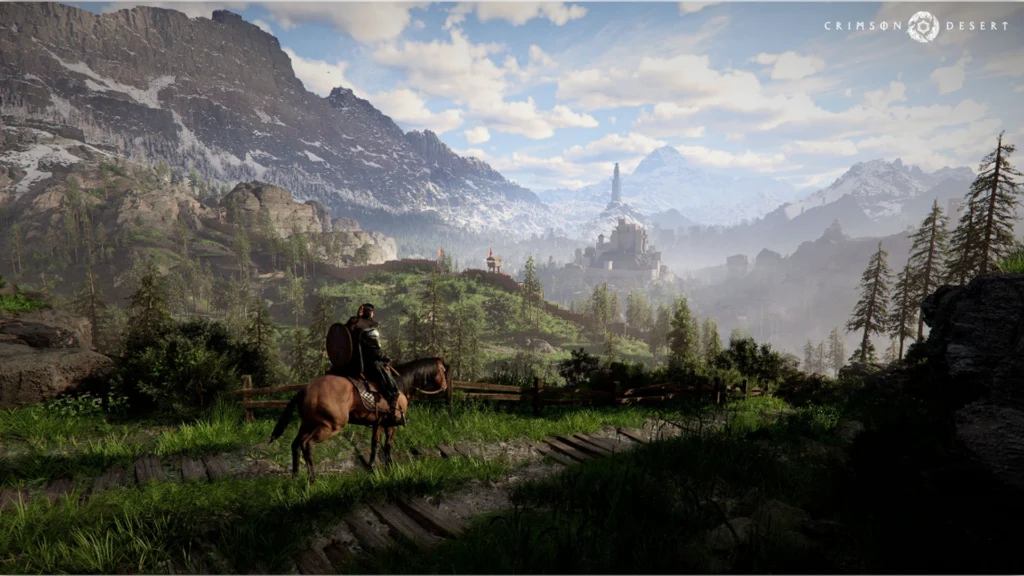
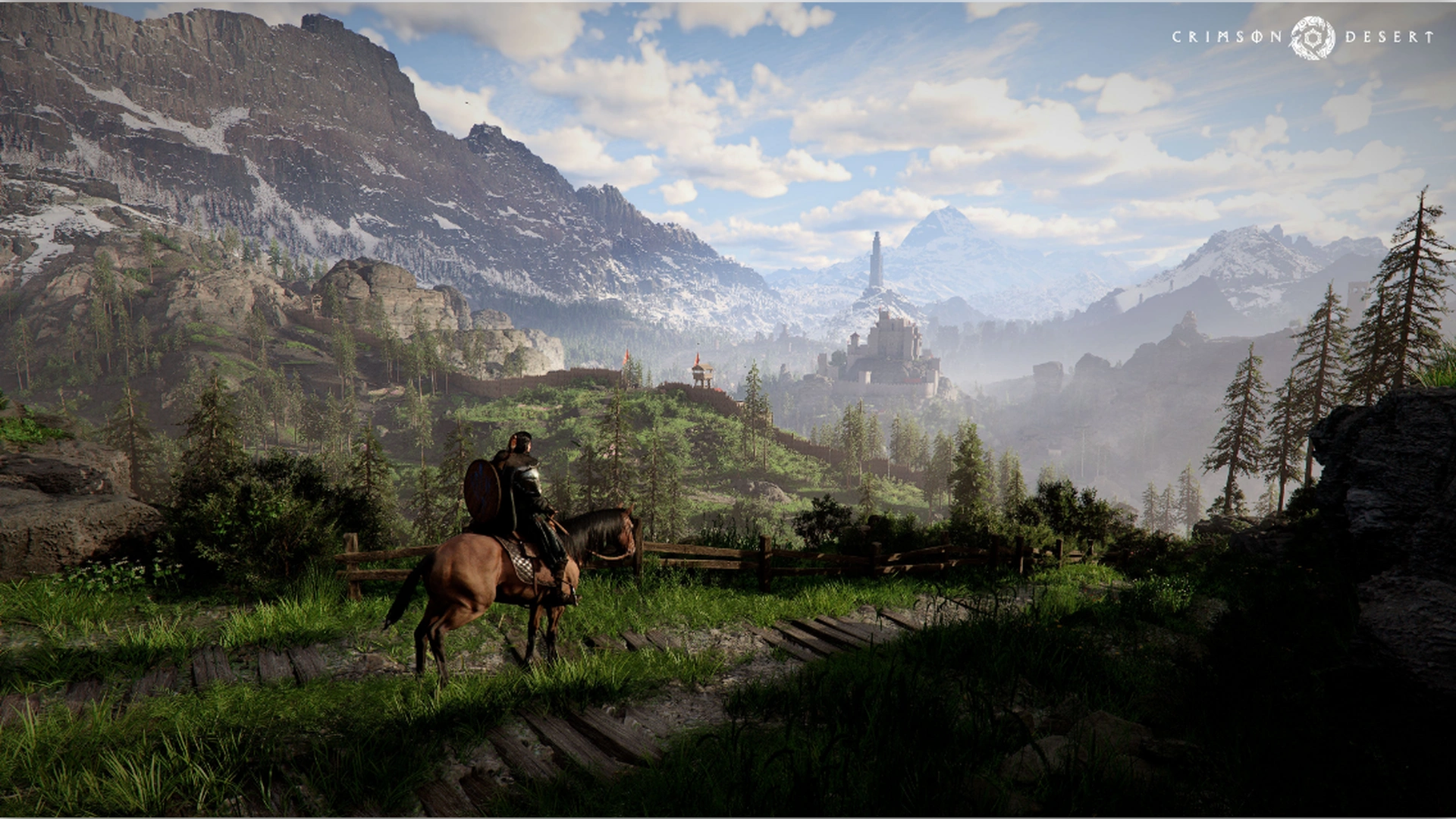
A fresh example of a rapid response. The game launched with the typical pain points of a large open world: awkward controls (especially on keyboard and mouse), inventory and storage issues, long loading screens, combat bugs, limited fast travel points, and steep difficulty spikes in places. Steam reviews opened as “Mixed,” and critics took note of the combat system.
Pearl Abyss responded at lightning speed. Just days after release, Patch 1.00.03 arrived: private storage was added, new fast travel points were introduced, controls were improved, and crashes and boss bugs were fixed. This was followed by Patch 1.01.00 (and further updates), which cut loading times, added new mounts, improved UX (cooking, doors), lowered difficulty, and fixed a host of smaller issues.
The developers have been actively publishing lists of known issues and working closely with player feedback. Ratings quickly climbed to “Very Positive,” sales picked up, and Pearl Abyss’s stock recovered its losses. It’s too early to call it a full turnaround, but the swift response is already saving the game’s reputation.
7. Counter-Strike 2 (Valve, 2023)
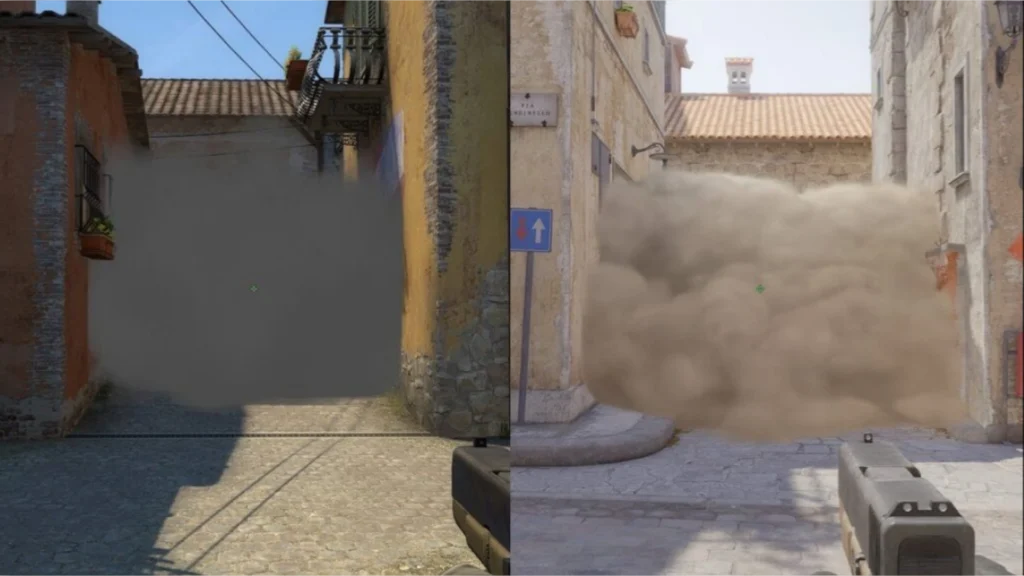
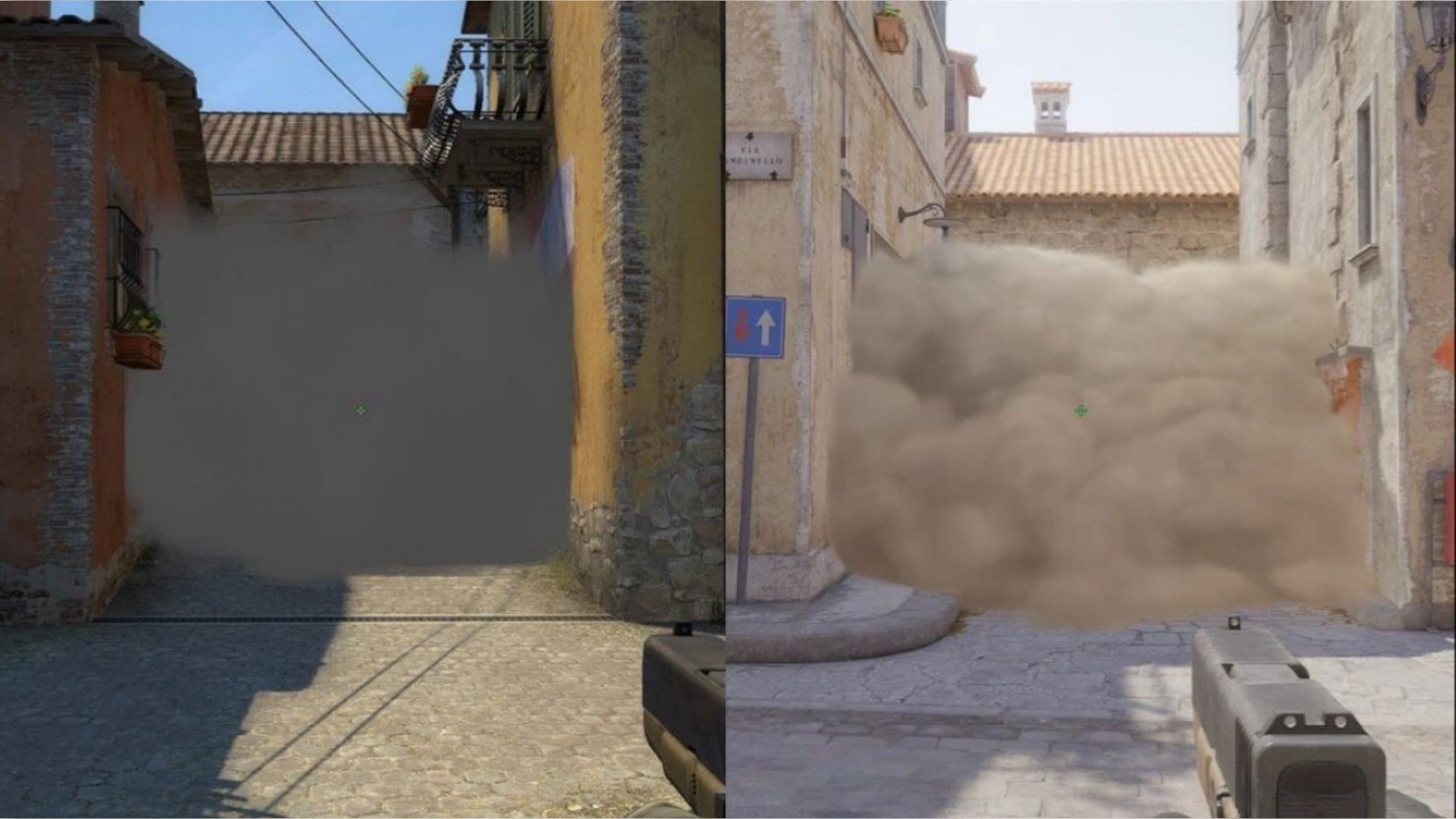
The transition from CS:GO to CS2 was a rough one. The new sub-tick system, optimization problems and stuttering (even on high-end PCs), the removal of the old version, and a lack of meaningful new content at launch all drew criticism. Pro players panned the game, Steam reviews were “Mixed,” and some called it the worst launch in Valve’s history.
The developers explained that a full release was “the fastest way to bring the game to its ideal state over the long term.” The studio accelerated its work on performance and has been adding maps, modes, and improvements since. Today CS2 remains the primary platform for competitive shooters with millions of players, though criticism of certain aspects persists.
Bonus Examples
- Fallout 76 (Bethesda, 2018) — launched with no human NPCs, bugs, crashes, and an empty world. Bethesda acknowledged its “spectacular problems.” Updates including Wastelanders (NPCs and dialogue), Steel Dawn/Reign, Skyline Valley, and various expeditions transformed it into a proper Fallout experience with rich content. Developers called the journey “crazy” and say they’re proud of where the game stands today.
- Battlefield 2042 — missing features were added and maps were overhauled.
- Rainbow Six Siege — a journey from bugs to esports giant.
Author: Alex
Alex is an author and esports observer with more than seven years of experience. He specializes in analyzing new releases in the world of computer games, gaming services, and in-game economies. Alex shares practical experience and an expert perspective on the development of gaming, helping readers understand complex mechanics and stay up to date with the latest news.