VALVE Hit Delete: Counter-Strike Mechanics and Metas That Are Gone Forever
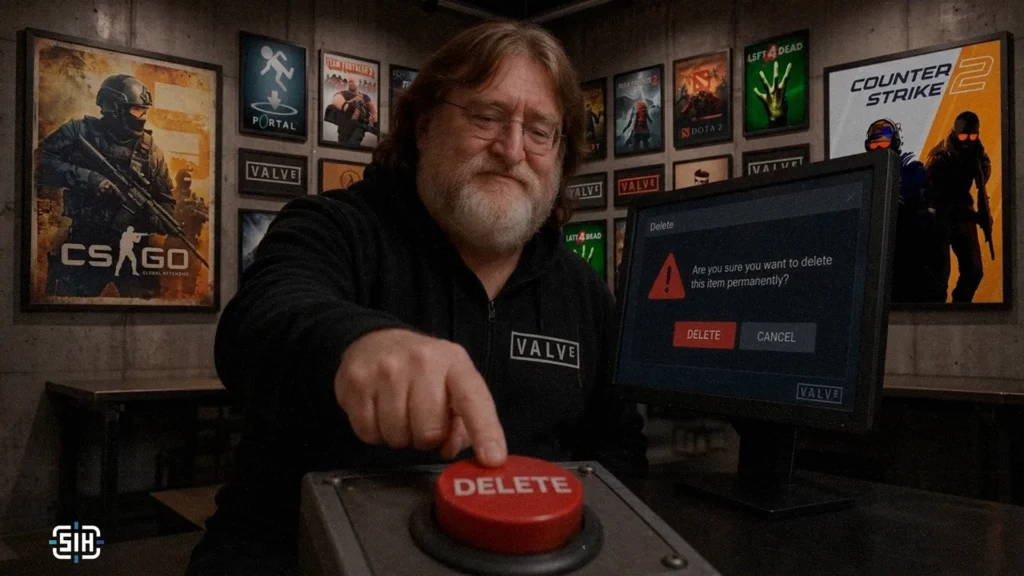
On May 19, 2026, a routine CS2 update quietly killed one of the game’s most iconic mechanics. The triple boost — source of countless highlights, a staple of creative tactics — is dead. But it’s hardly the first casualty, and it won’t be the last. VALVE has this peculiar habit: give players something, watch the community build an entire ecosystem of tactics, strategies, and skills around it — then erase years of practice with a single patch. Sometimes that’s the right call. Sometimes it just hurts. Sometimes both at once.
The May 19th patch introduced the weapon_accuracy_stack_boost_limit variable, defaulting to 2. Stand on one player — fine. Stand on two — you eat an accuracy penalty, same as being on a ladder. The triple boost stopped being a viable combat tool.
Seems like a good time to look back at everything else Valve has killed over the years. Press F and let’s get into it.
The AUG and SG553: The Scope Era
If you were playing CS:GO in 2019–2020, you remember. First everyone bought the AUG. Then the SG553. Pro teams rebuilt their entire economies around it — the Krieg at $2,750 offered a scope, pinpoint accuracy, and a helmet-penetrating headshot, everything the AK-47 can’t do. By 2020, the SG553 had outpaced the AK in pro-level pick rates across most top teams.
In April 2020, VALVE swung the nerf hammer at both simultaneously — slashing fire rate, tightening accuracy thresholds, and bumping prices. Both weapons have been collecting dust ever since. Players went back to the AK and M4, where the behavior is predictable and familiar.
The irony? VALVE created the meta themselves by dropping both prices back in 2018. Gave the playerbase a taste — then took it away.
The R8 Revolver: Born Broken, Dead in 48 Hours
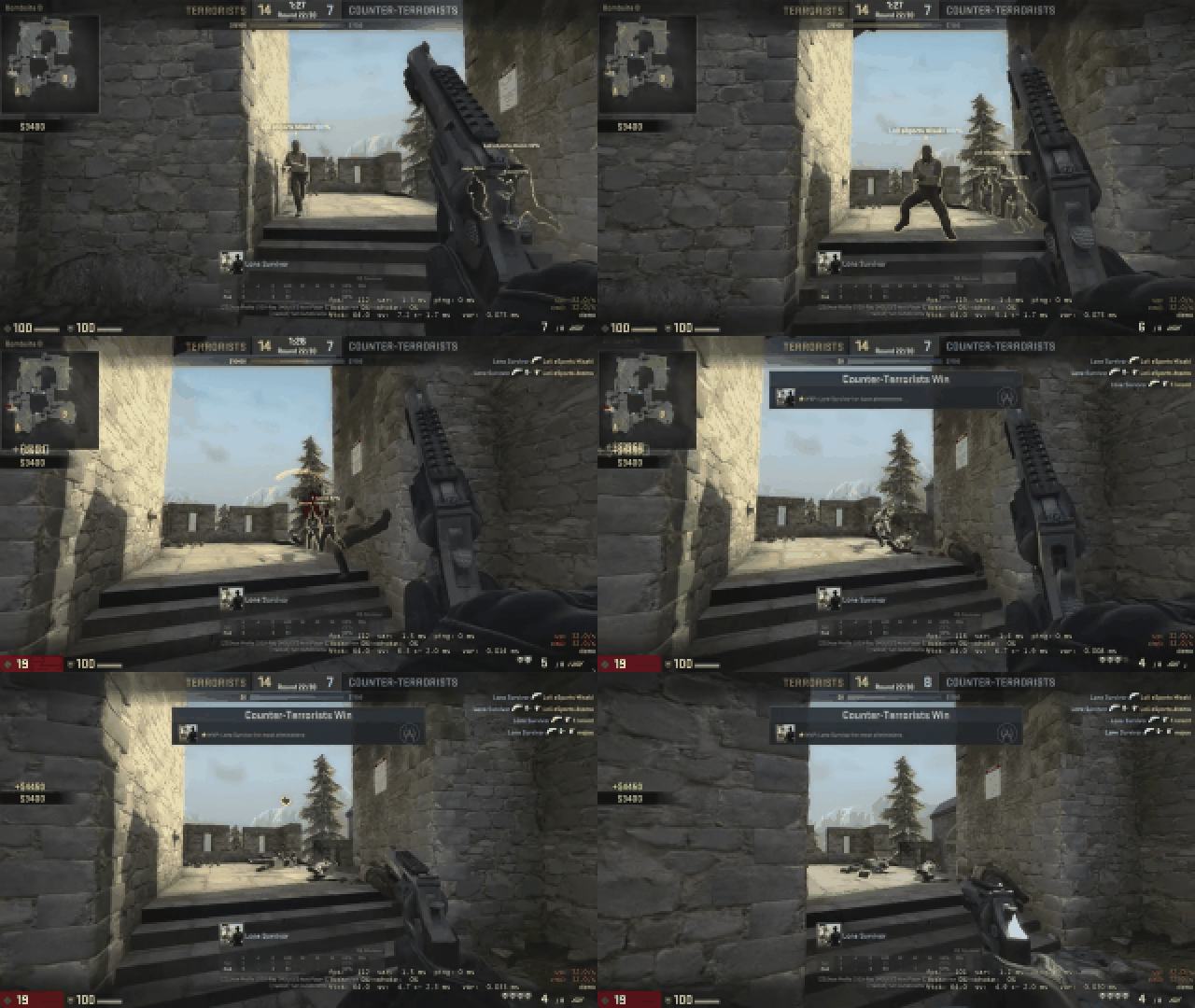
December 2015. VALVE drops the R8 Revolver into the game with a base damage of 115 — a weapon that could one-shot an enemy through the chest for just $850. AWP-tier damage at a fraction of the cost. No warning, no beta, straight to live.
Matches descended into chaos. Rounds ended before they could even breathe. VALVE acknowledged the disaster and pushed a patch within 48 hours — damage gutted, significant firing delay added. Then nerfed it again. And again. And again. Today the R8 is a meme weapon, a showmatch gimmick. Its career as a competitive tool lasted less than two days.
It remains the fastest “add → break the game → kill it” cycle in CS history.
One-Way Smokes: The Art of Seeing Without Being Seen
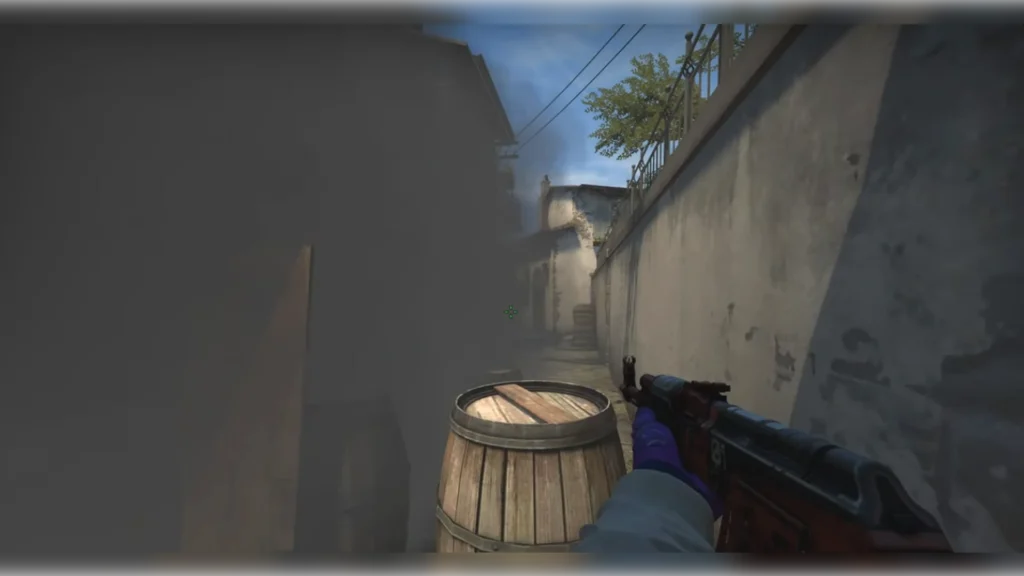
This wasn’t just a mechanic — it was its own language. Throwing a smoke so you could see through it while your opponent couldn’t required learning specific spots, angles, and lineups for every map. Entire guides were written, practice servers were built, thousands of hours of content were created around it.
In CS2, that chapter closed almost immediately at launch. Source 2’s volumetric smoke system fills space dynamically — there are no clean “windows” for one-ways to exploit anymore. They didn’t get patched out. They just ceased to exist.
Jump-Throw Binds: The End of Another Era
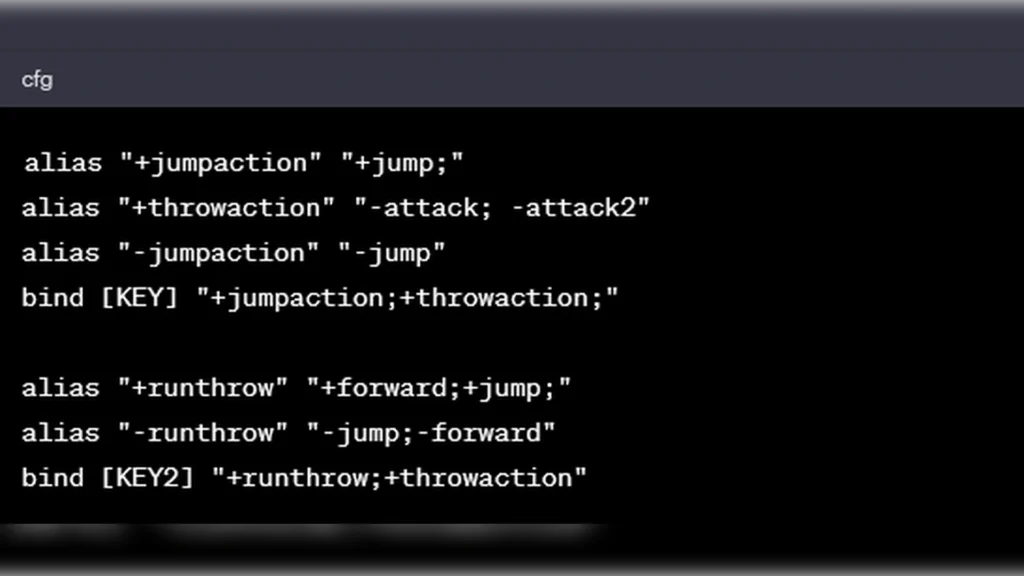
For years, the jump-throw bind existed in a quiet gray area — unofficial, but universal. One key, one press: jump and throw perfectly synced to the millisecond, smoke landing exactly where it needed to, every round, every time. Entire strategies were built around the guarantee of a consistent, repeatable throw.
On August 19, 2024, VALVE drew the line: binds combining more than one action were banned. Jump-throw stopped working overnight. Hardware-level features got caught in the sweep too — Razer’s Snap Tap and Wooting’s Rappy Snappy among them.
The pro reaction was immediate and vocal. apEX from Vitality put it plainly: “You can’t remove this from the game. It creates so many possibilities.” Twistzz live-demonstrated lineups that had become exponentially harder to execute. VALVE held firm: manual jump-throws are still possible — they just require actual hand coordination instead of a bind.
Silent Ladder Movement
This one never showed up in patch notes, but everyone used it: a fast, quiet ladder descent. Minimal sound, non-standard speed — an extra tool for rotations, fakes, and unexpected angles.
Somewhere in CS2’s update history, VALVE overhauled the ladder audio and animation model. Silent climbing is gone. A ladder is now just a ladder — predictable and audible. Small change on paper, but for players who built rotation patterns around it, a real loss. Sure, someone like m0NESY or ropz will figure out a workaround eventually. The rest of us just lost a tool we can’t easily replace.
CS:GO Movement: An Accidental Death With a Long Aftermath
The move to CS2 and the Source 2 engine broke movement at a fundamental level. The subtick architecture changed how the game processes jumps and strafes — timing became untrustworthy, the link between input and outcome turned blurry. Bhop became a lottery. Air strafes turned into guesswork. Players who had spent years mastering movement in CS:GO jumped into CS2 and felt like complete beginners.
The first meaningful answer came with AnimGraph in 2025 — a sweeping overhaul of the animation system. Movement noticeably improved: jumps became more predictable, strafes more responsive. Developer John McDonald stepped forward personally to clarify that breaking bhop was never intentional. But “better” still wasn’t “back to normal.”
The bigger answer arrived on April 21, 2026: AnimGraph 2 shipped to the main branch after three weeks of beta testing. The most significant technical overhaul CS2 has seen since launch — every third-person animation rebuilt from the ground up, reduced CPU and network load, improved hit registration. Animations feel smoother and less jittery, and overall responsiveness has edged back toward CS:GO territory.
That said — it’s a “significant step in the right direction,” not a restoration. Whether it reaches the gold standard of CS:GO movement is still being debated. For anyone who moved beautifully in the old game, AnimGraph 2 is the best CS2 has offered in three years. But it’s not a return. It’s more like coming to terms with a new reality.
The Ammo Overhaul
On March 18, 2026, VALVE switched from individual bullets to a magazine-based system. Sounds like a minor tweak. In practice, it flipped ammo economy on its head.
The AWP now ships with just 2 reserve magazines. The M4A1-S gets 3 magazines of 20 rounds each. The habit of reloading “just to be safe” after a kill now carries real cost — you’re not spending bullets, you’re spending an entire magazine. Spraying through smokes became a much riskier proposition. Late-round strategies built around stretched resources had to be completely rethought.
Scoped Defuse: The Fake That Died
Small mechanic, elegant execution. Defusing while scoped created an ambiguity opponents couldn’t easily read. You could hold the defuse key with a sniper rifle in hand and stay zoomed in — leaving the other team unsure whether you were lining up a shot or still working the bomb. One tick of uncertainty that experienced players turned into a genuine edge.
VALVE removed the ability to defuse without breaking scope. The scoped-defuse fake is gone. Another small tool that wasn’t broken — just deemed unnecessary.
Why Any of This Matters
VALVE doesn’t kill mechanics out of spite. Every one of these decisions has a rationale behind it: balance, fairness, combating automation, architectural constraints from a new engine.
But Counter-Strike has always been a game where the community finds things the developers never planned for. One-way smokes weren’t designed — they were discovered. Jump-throw binds weren’t an official feature — they were culture. The triple boost was a tactical discovery born from a deep understanding of map geometry.
Every time VALVE removes one of these things, they’re removing something more than a mechanic. They’re removing a specific form of creativity — one that was born inside the game itself, bottom-up, player to player.
Some will say: good. Others will say: shame.

Alex
Alex is an author and esports observer with more than seven years of experience. He specializes in analyzing new releases in the world of computer games, gaming services, and in-game economies. Alex shares practical experience and an expert perspective on the development of gaming, helping readers understand complex mechanics and stay up to date with the latest news.

