News Tournaments The Legend of Brazilian Counter-Strike: The Complete Story of FalleN

The Legend of Brazilian Counter-Strike: The Complete Story of FalleN

The Legend of Brazilian Counter-Strike: The Complete Story of FalleN

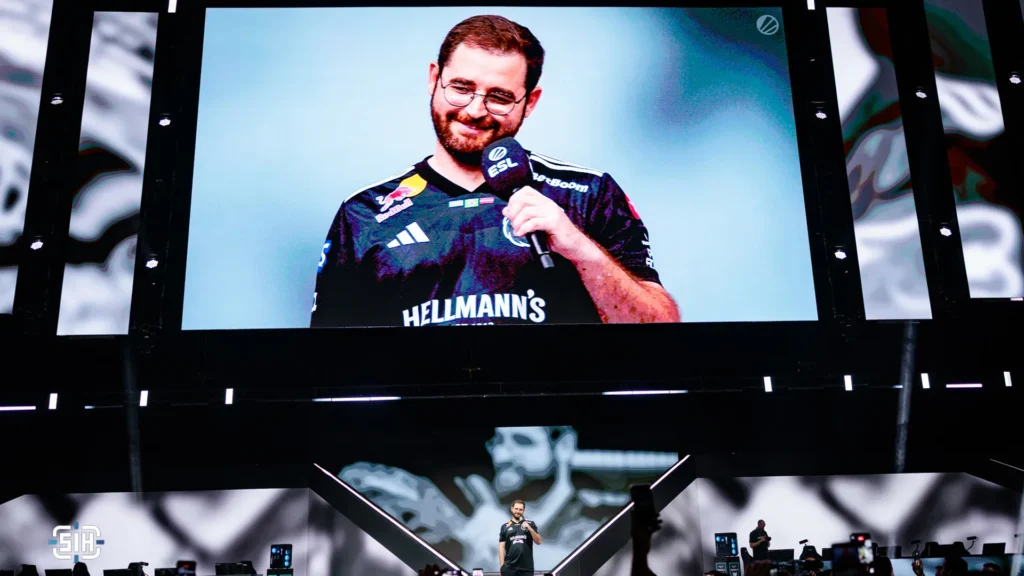
On April 17, 2026, on the stage of Farmasi Arena in Rio de Janeiro, something the entire Brazilian Counter-Strike audience had been dreading finally happened. Gabriel “FalleN” Toledo stepped up to the microphone in front of a packed hall. His voice trembled. The arena fell into near-total silence, but everyone understood what was about to happen.

“I thought about it for many nights and many days… I have decided that at the end of 2026, I will move on to other things in Counter-Strike. I have 247 days left. I invite you all to walk this path with me.”

The hall erupted. Standing ovations, tears, the crowd chanting his name. For Brazil, this isn’t just a player’s retirement — it’s the end of an entire era. The man they call the “Godfather of Brazilian Counter-Strike” and “The Professor,” who spent more than twenty years on the professional scene, won two Majors back-to-back, and quite literally built an entire national school of play from scratch. Here is his story — from the very beginning.

Childhood and First Steps: The Boy Standing Behind His Brother (1991–2012)

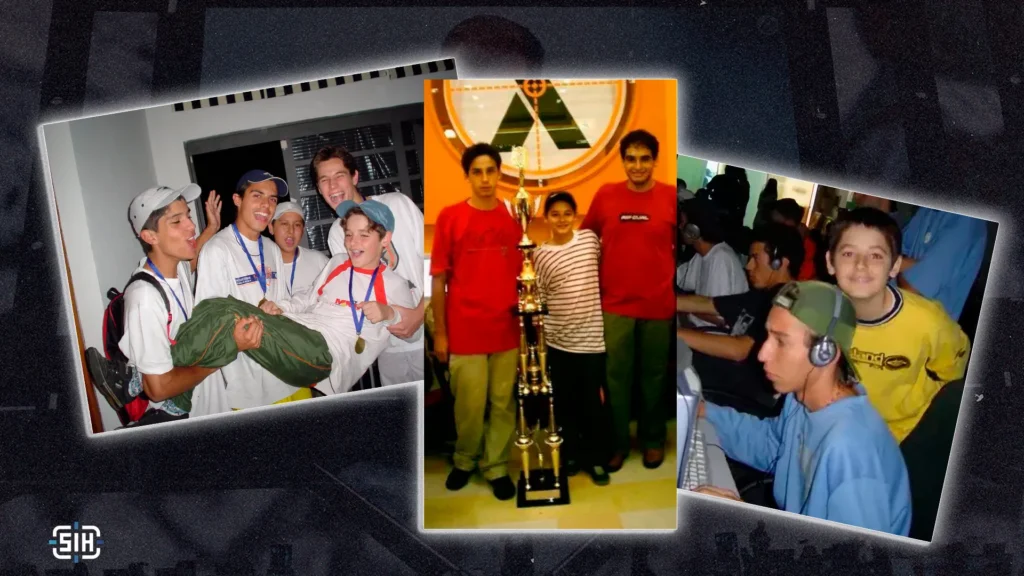
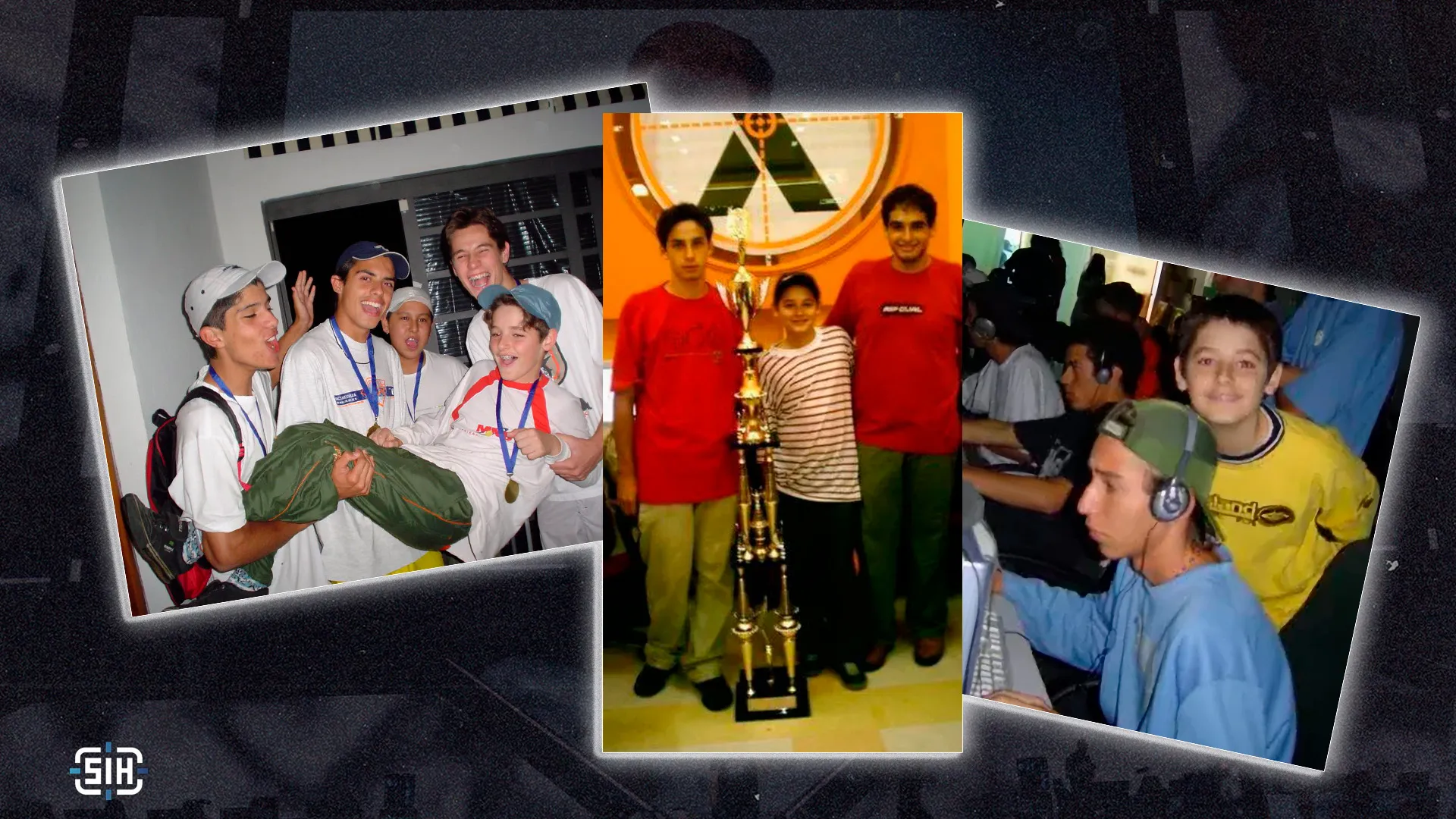
Gabriel Toledo was born on May 30, 1991, in the small town of Itararé, in the state of São Paulo. He grew up in a modest family, far from the glamour of professional esports, which in those years was still finding its footing. His love for games came through his older brother: little Gabriel would stand behind him for hours, silently watching early versions of Counter-Strike.

“I was the kid who just watched and learned,” he would later recall.

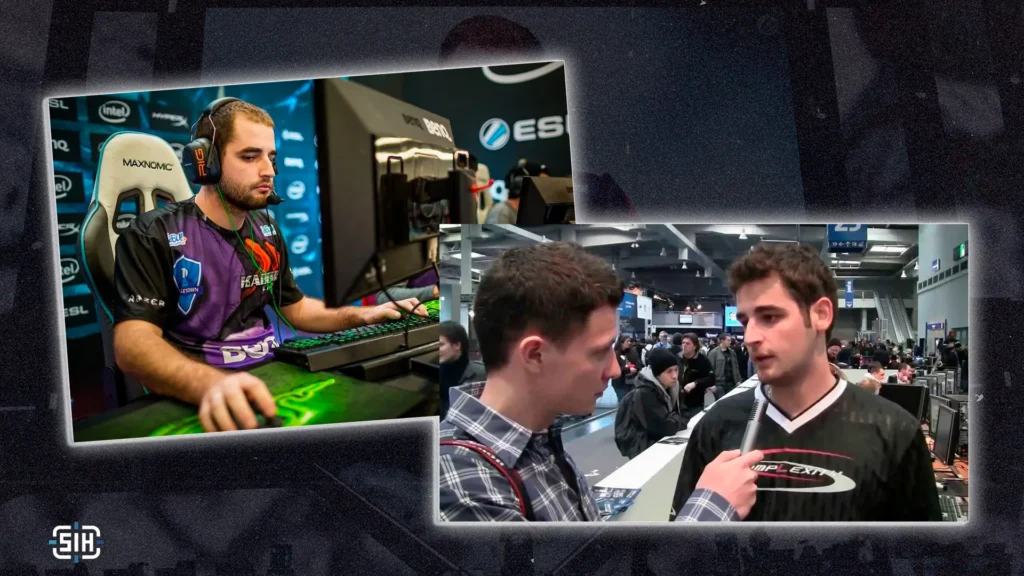
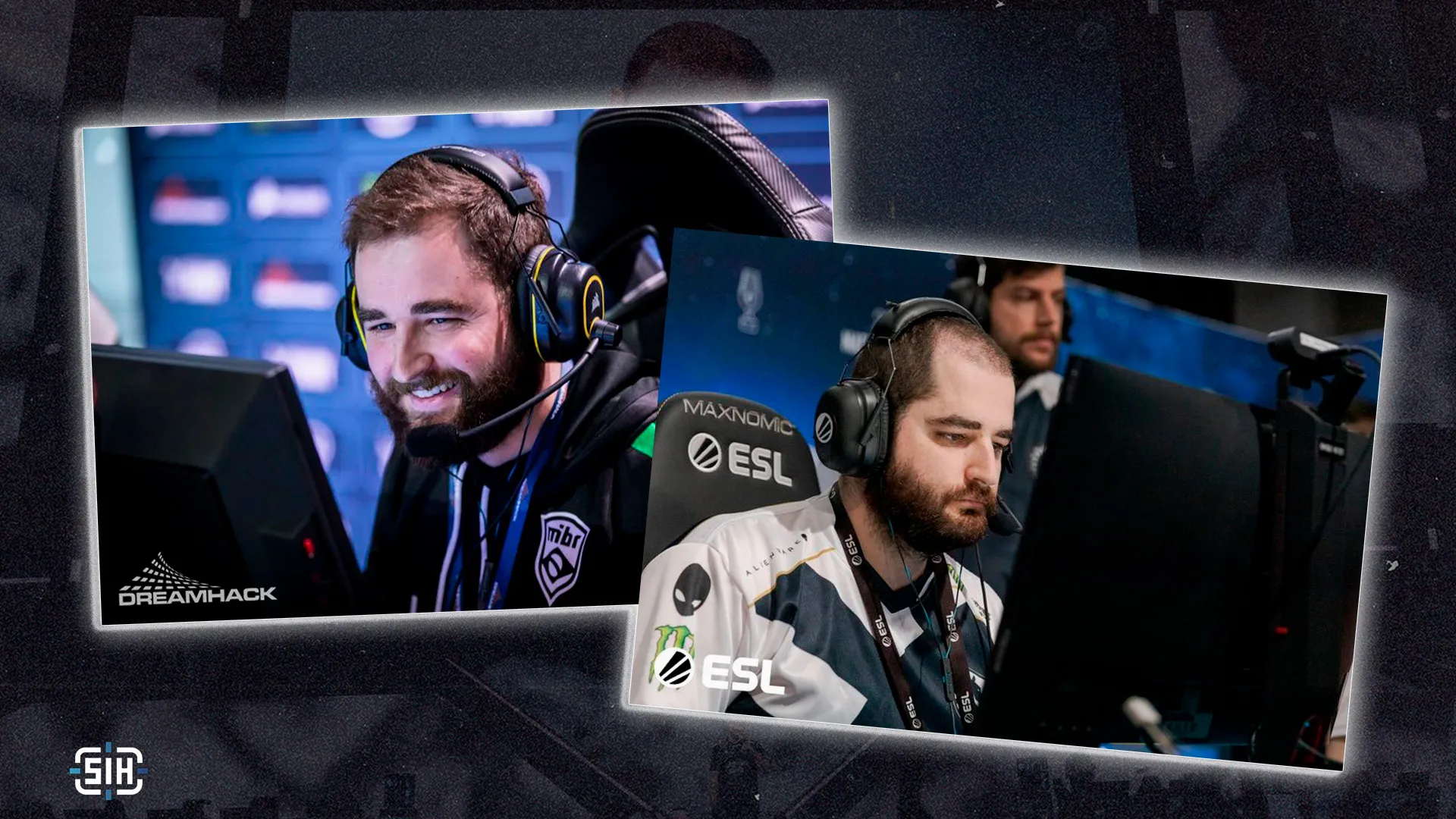
By the age of fourteen, it was clear that this kid had learned well. A precise AWPer, cool-headed calculation, a natural leader’s composure — in 2005, FalleN made his debut on the local professional scene with the team Crashers. This was classic Brazilian tournament life in the Counter-Strike 1.6 era: live competitions, internet cafés, minimal prize pools that barely covered travel expenses. Throughout the entire early period, up until 2014, his total earnings amounted to roughly eight thousand dollars. Not much. But he wasn’t playing for the money.

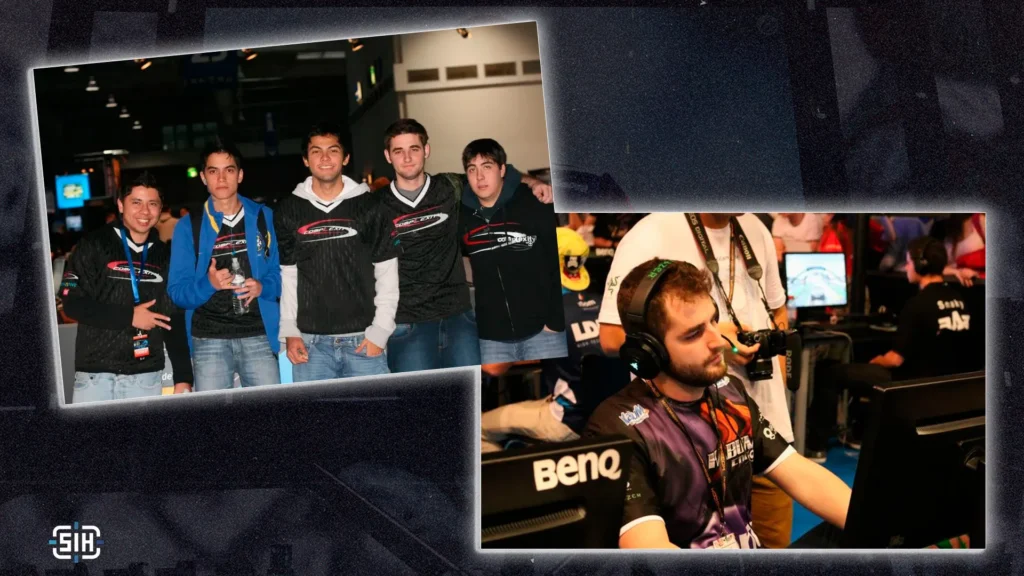
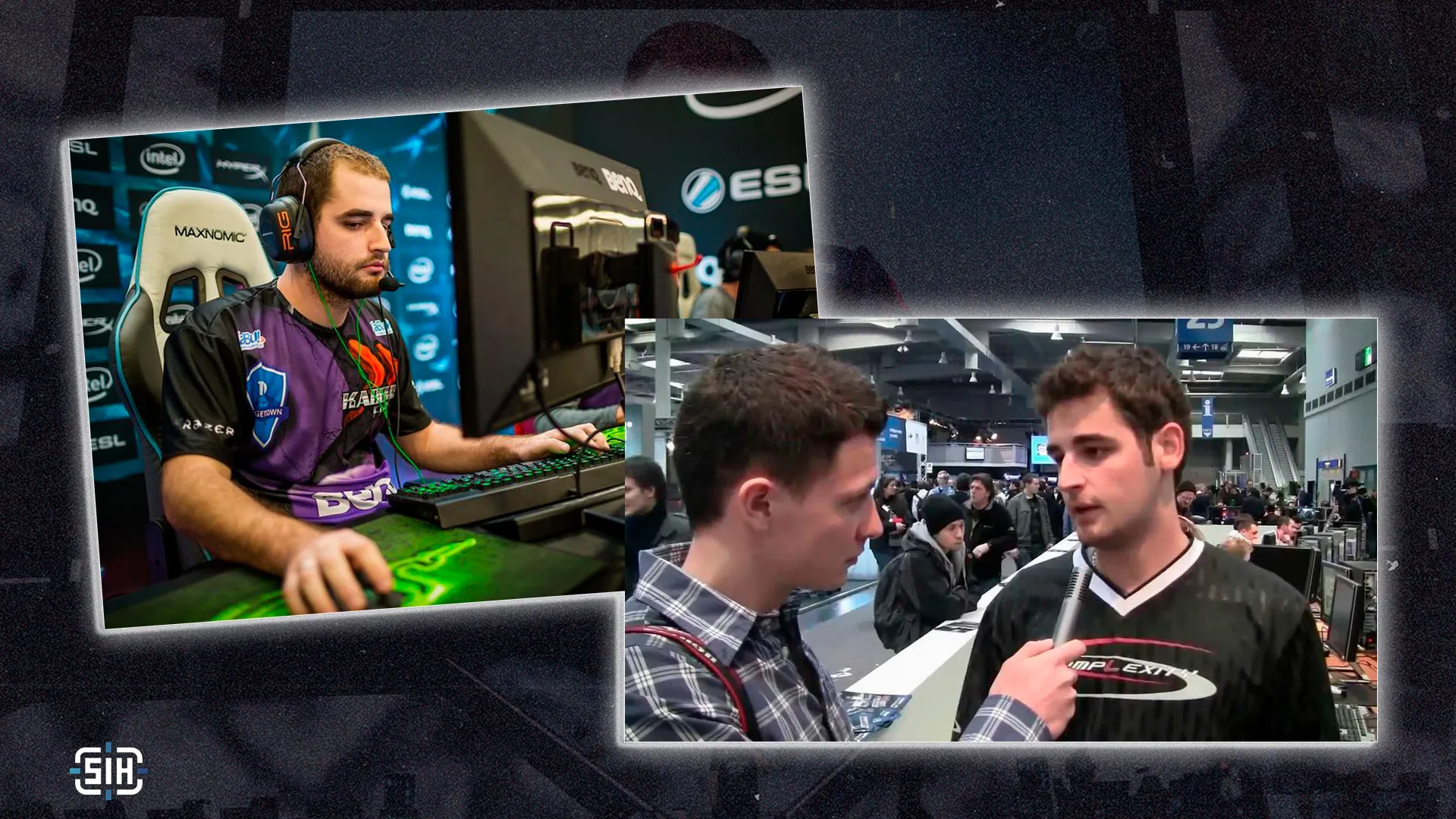
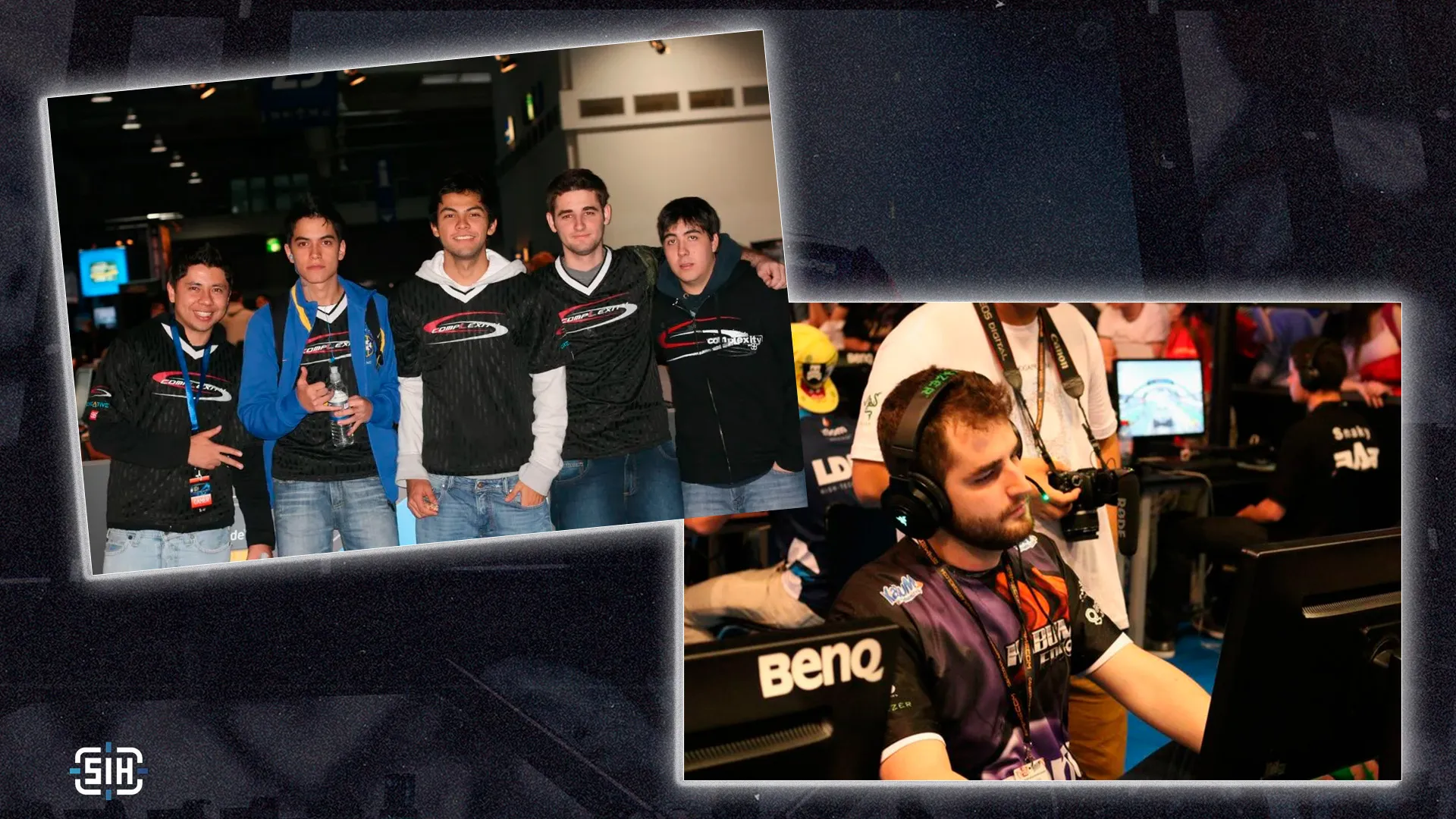
Over the next seven years, FalleN cycled through rosters, building experience and reputation: Crashers (multiple stints), FireGamers, compLexity Gaming — the latter giving him his first taste of international competition — Mandic, semXorah, playArt, and ProGaming. Along the way he experimented with Counter-Strike: Source and even CrossFire. He wanted to understand the game in all its forms.

But in 2012, as Counter-Strike 1.6 quietly faded away, FalleN made a move that would prove more significant than any tournament title. He founded Games Academy — a Counter-Strike school for Brazilian players. It started with fifteen students whom he personally coached. Then came hundreds more. With the money he earned, he organized his own tournaments and built an infrastructure that had simply never existed in the country before.

“I wanted Brazilians to be able to play professionally without having to move to other countries,” he said.

Future stars passed through his academy: coldzera, fer, and many others. FalleN was more than just a player — he was laying the foundation and looking far ahead.

The Move to CS:GO and Early International Success (2013–2015)

In 2013–2014, FalleN fully committed to CS:GO. He played for ProGaming, then for KaBuM! e-Sports, where the team began making a name for itself on the world stage, including at the then-prominent ESWC. The real breakthrough came in July 2015: Luminosity Gaming signed the Brazilian core from Keyd Stars — FalleN, fer, coldzera, boltz, and steel. That was the moment Brazil stopped being an underdog.

FalleN juggled two roles that rarely coexist at the highest level: he was both the team’s primary AWPer and its tactical leader. Managing the game while simultaneously being one of the most important fraggers on the team, responsible for clutch moments — it sounded almost crazy at first. This is where the “Brazilian style” of play was born — aggression multiplied by tactics. The team began beating Europeans and North Americans, and the Counter-Strike world could no longer afford to ignore Brazilian players.

The Golden Era: Two Majors in One Year (2016–2018)

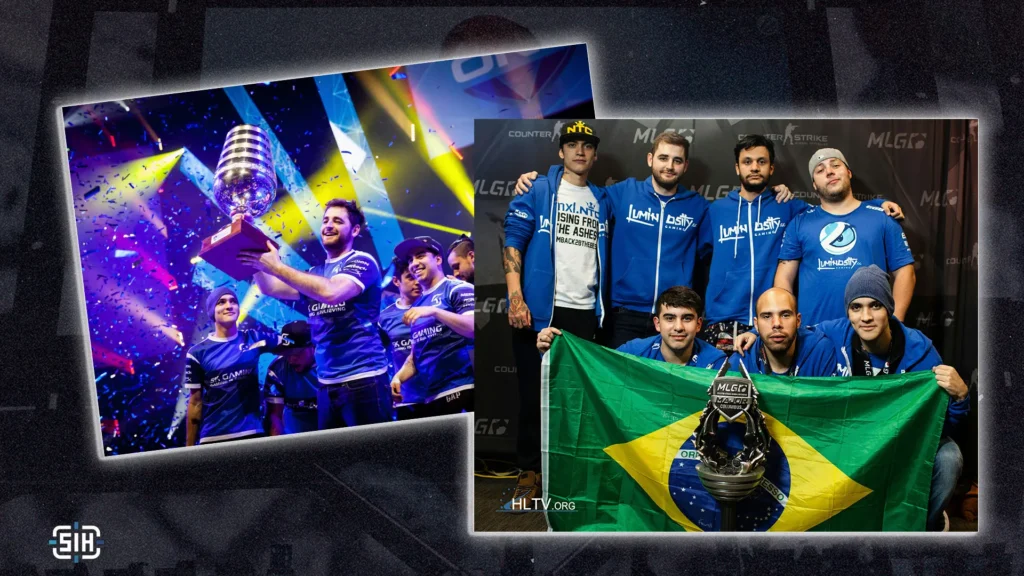
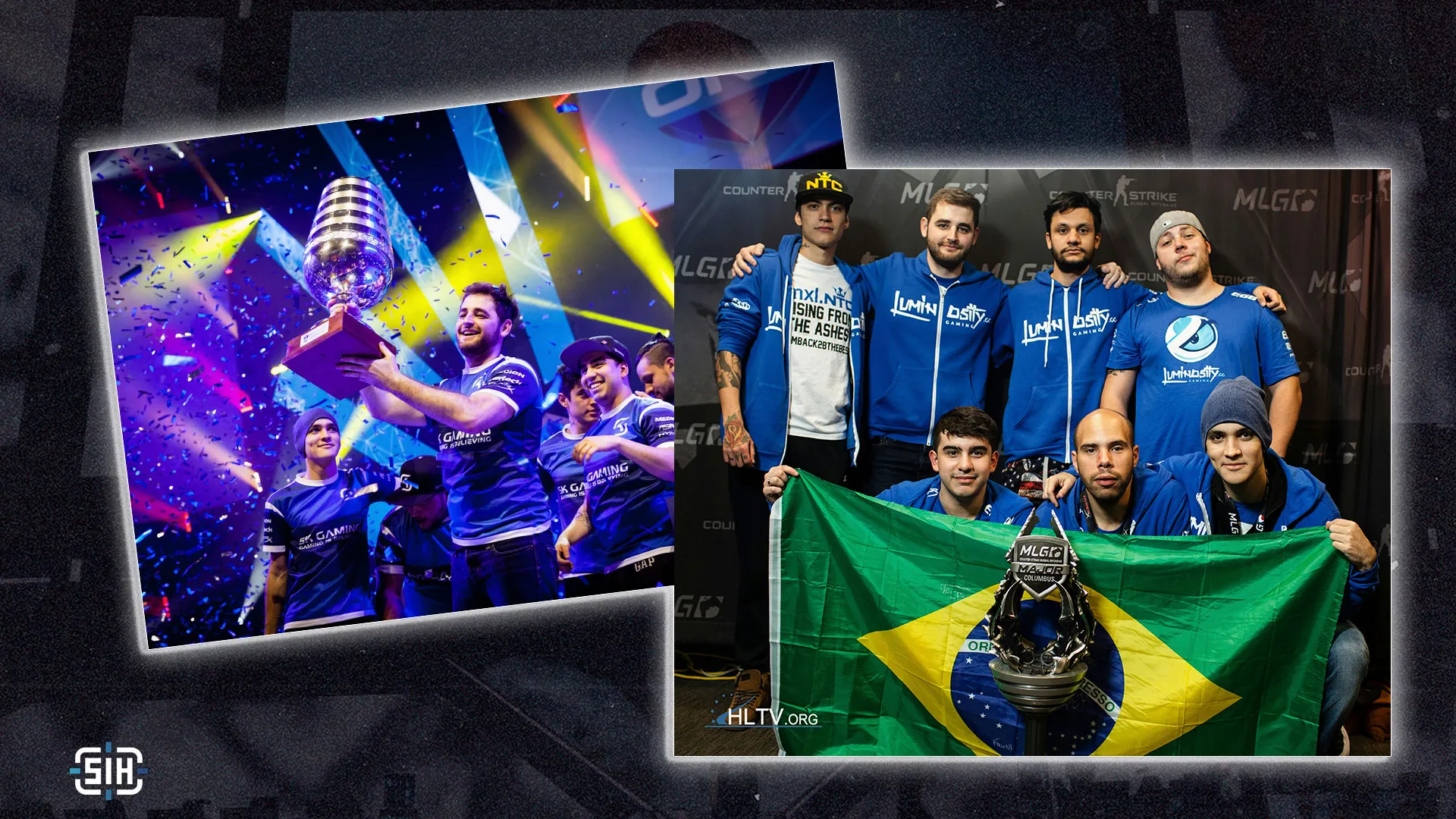
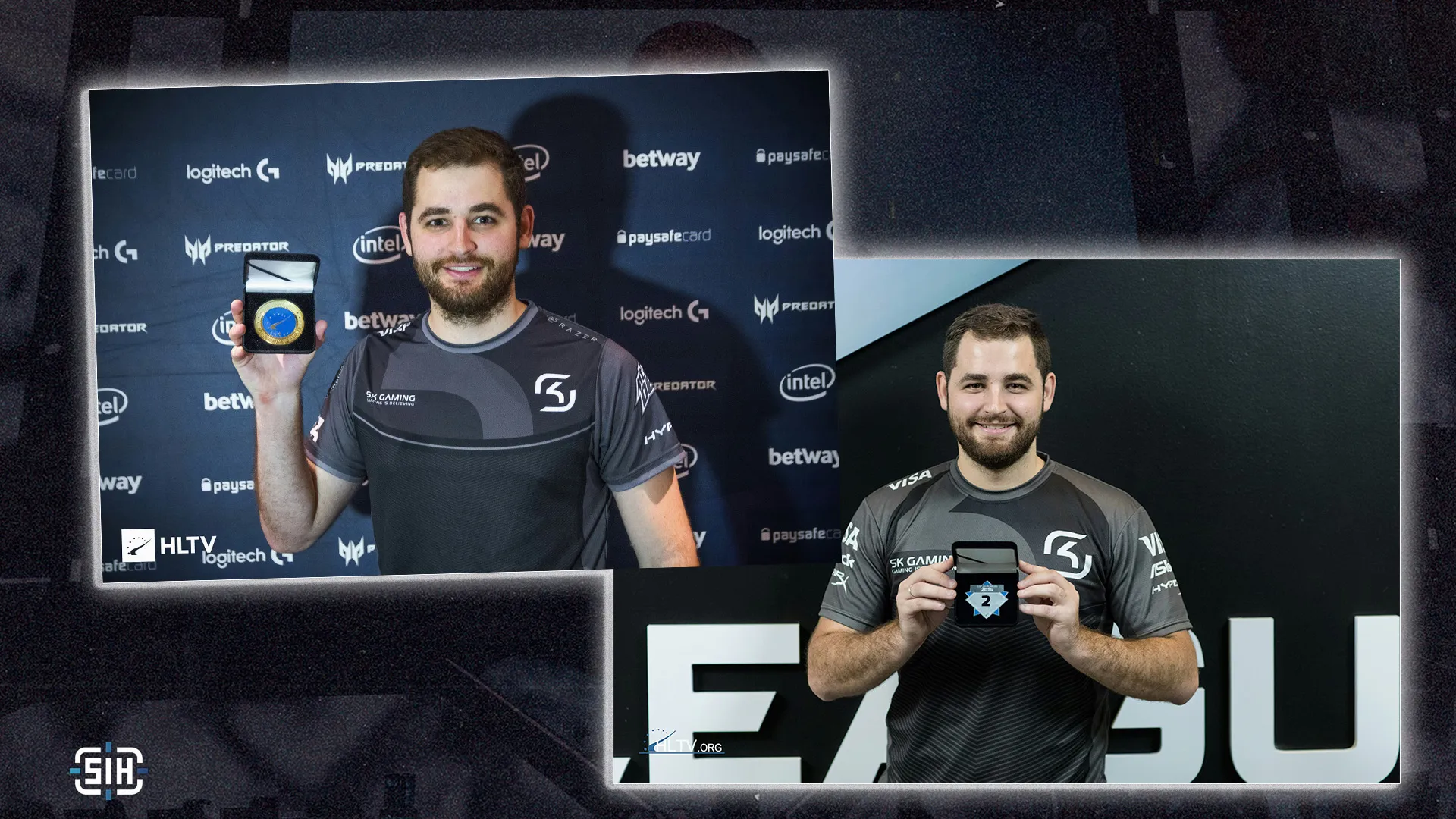
2016 was the absolute peak. With Luminosity Gaming (later renamed SK Gaming), the Brazilians achieved what seemed impossible. At MLG Major Columbus 2016, they claimed the first Major championship title in South American history, defeating Natus Vincere in the grand final. FalleN’s AWP plays and tactical decisions dictated everything. The crowd in Columbus gave a standing ovation: for the first time, a team from outside Europe stood on the top step of the podium. But they didn’t stop there.

At ESL One Cologne 2016, SK Gaming won a second consecutive Major — already under the new tag, defeating Team Liquid in the final. Drama, comebacks, and tears in the stands. It felt like something no one would ever repeat, which made the achievement all the more extraordinary.

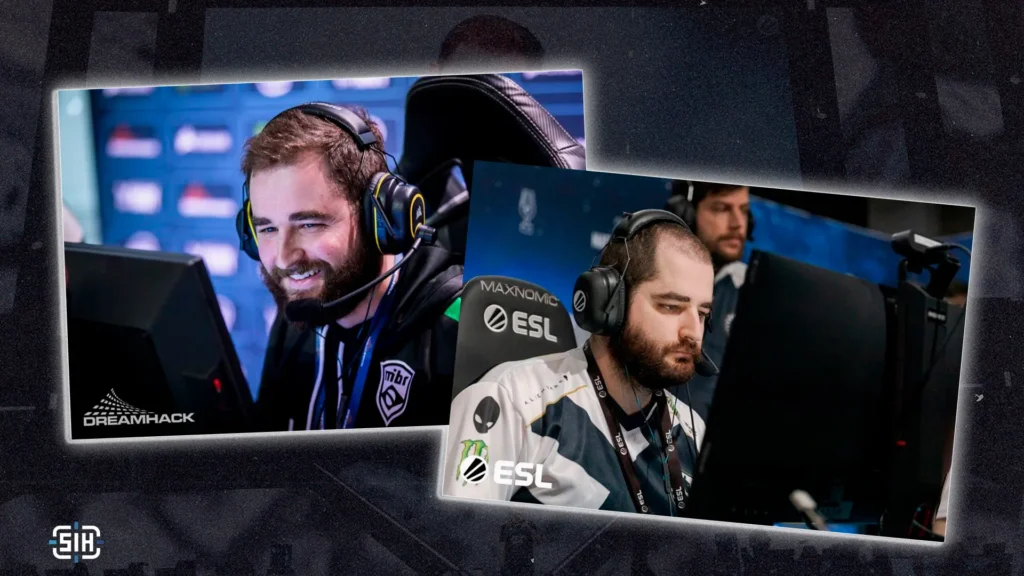
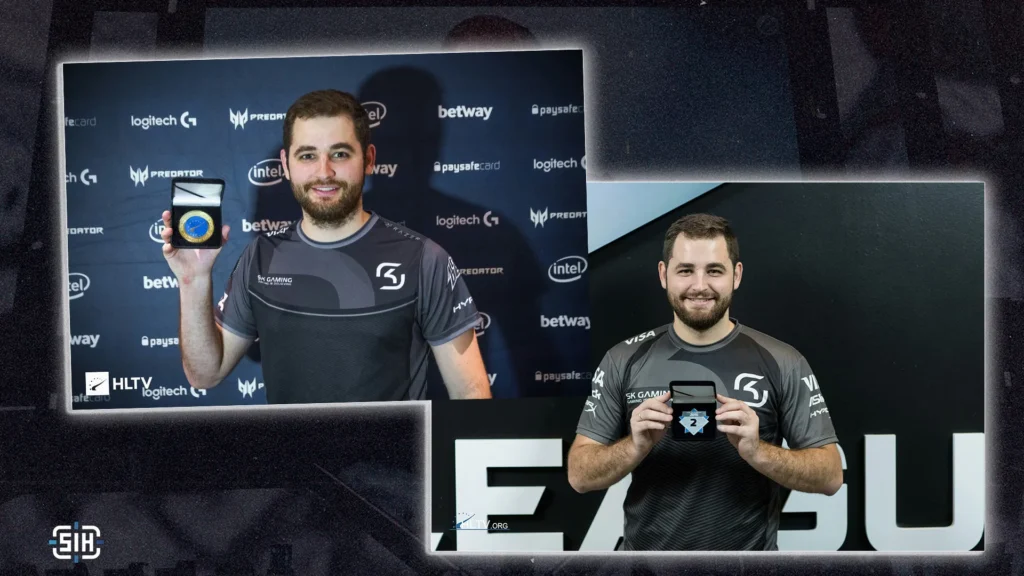
FalleN earned the nickname “The Professor” for good reason: he explained the game as if delivering a university lecture. HLTV ranked him second in the world at the end of 2016 — still the highest ranking ever achieved by an in-game leader. He was named Most Valuable Player at DreamHack Austin, Cologne 2017, and BLAST Copenhagen. In 2017, SK won eight out of nine finals they reached. ESL Pro League, EPICENTER, IEM Sydney — the list goes on. Brazil went wild.

Resets and New Challenges (2018–2023)

After SK, the years of change began. With MIBR (another all-Brazilian project), FalleN reached the semi-finals of FACEIT Major London 2018 and the ELEAGUE Major 2018, but the earlier consistency was gone: the meta was shifting, competitors were growing stronger, and younger teams were adapting faster. He adapted too, passing on experience and seeking new solutions.

In 2021–2022 came a move to Team Liquid, with a mixed roster of Brazilians and North Americans. A new environment, new challenges — but no major titles appeared on his HLTV profile. Then came Imperial (2022–2023), another Brazilian roster where he remained captain and mentor to the younger players.

Across his entire career, FalleN played more than 1,200 professional matches, earned approximately $1,450,000 in prize money, and participated in more than seventeen Majors. Impressive numbers. But there was always more to it than numbers.

Revival With FURIA: Back on Top at 34 (2023–2026)

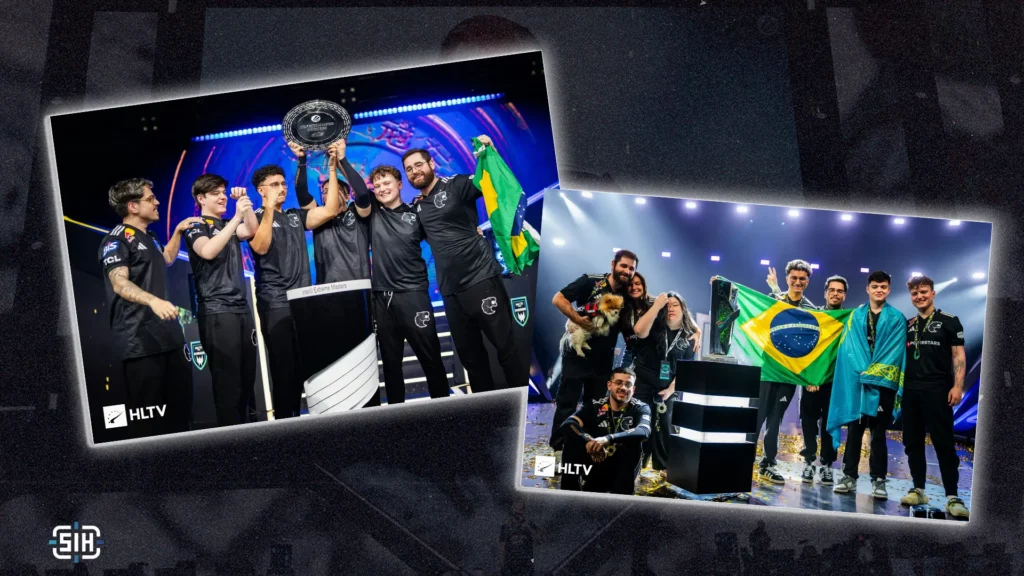
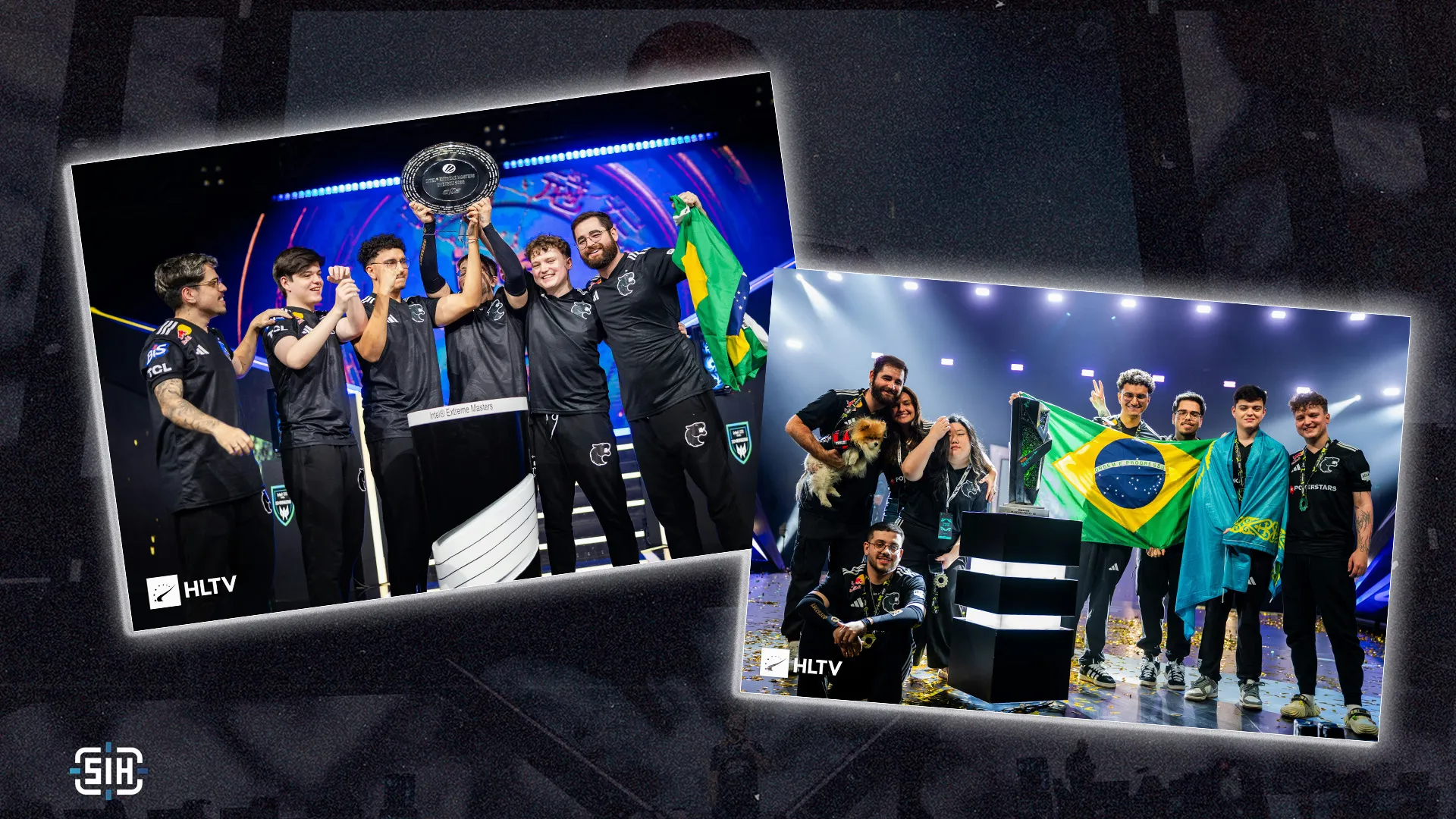
In July 2023, FalleN joined FURIA Esports — a young, aggressive Brazilian organization that was missing one thing: experience. And who better to provide it than FalleN.

In 2025, something unexpected happened, even for his fans: FalleN handed the primary AWP role to young Danil “molodoy” Golubenko and transitioned to a rifler position, while retaining his role as IGL. Many were skeptical. But that decision turned out to be exactly right. Looking back, it’s clear that only the Professor could have come up with that.

  • IEM Chengdu 2025 — FalleN’s first IEM title in eight years. FURIA demolished Vitality 3–0 in the grand final.
  • BLAST Rivals Season 2 2025 — Victory over Falcons 3–1.
  • Thunderpick World Championship 2025 — A comeback from 0–2 down against Natus Vincere, and the title secured.
  • FISSURE Playground #2 — The first and, in many ways, pivotal trophy for the current roster.

At thirty-four years old, he proved what he had always said: in Counter-Strike, the mind matters more than reflexes.

Legacy

  • Two-time Major champion (MLG Columbus 2016 and ESL One Cologne 2016)
  • More than twenty victories at major tournaments
  • Four-time MVP at major events
  • Second in the HLTV world rankings (2016), sixth (2017)
  • The most influential figure in Brazilian esports
  • Founder of Games Academy, which raised an entire generation of professional players

But the greatest achievement was none of those trophies. FalleN built Brazilian Counter-Strike. When he started, there was no scene to speak of — just a handful of talented guys with no path to international competition. He created a school, assembled rosters, won Majors, and showed the entire world that Brazil isn’t just a flag — it’s a whole culture of play. He inspired hundreds of young Brazilian players who grew up watching him.

The Farewell: 247 Days Until the End of a Legend

On the stage in Rio de Janeiro in April 2026, he stood before his fans and spoke in a trembling voice: “I’m here to invite you all on this final journey. We still have a lot to do together.”

He isn’t leaving Counter-Strike entirely and plans to stay on as an analyst, commentator, or to continue developing his business. He wants more time with his family, and as a professional player — this is the finale. Rio wept. The entire world of Counter-Strike wept too.

2026 is his last dance. And the whole world promised to walk that road alongside him.

Author:

Alex is an author and esports observer with more than seven years of experience. He specializes in analyzing new releases in the world of computer games, gaming services, and in-game economies. Alex shares practical experience and an expert perspective on the development of gaming, helping readers understand complex mechanics and stay up to date with the latest news.