The End of the Capsule Era: Why Valve Rebuilt the Major Economy – and What It Means for the CS2 MarketSteam newsThe End of the Capsule Era: Why Valve Rebuilt the Major Economy – and What It Means for the CS2 Market
The End of the Capsule Era: Why Valve Rebuilt the Major Economy – and What It Means for the CS2 Market
The End of the Capsule Era: Why Valve Rebuilt the Major Economy – and What It Means for the CS2 Market
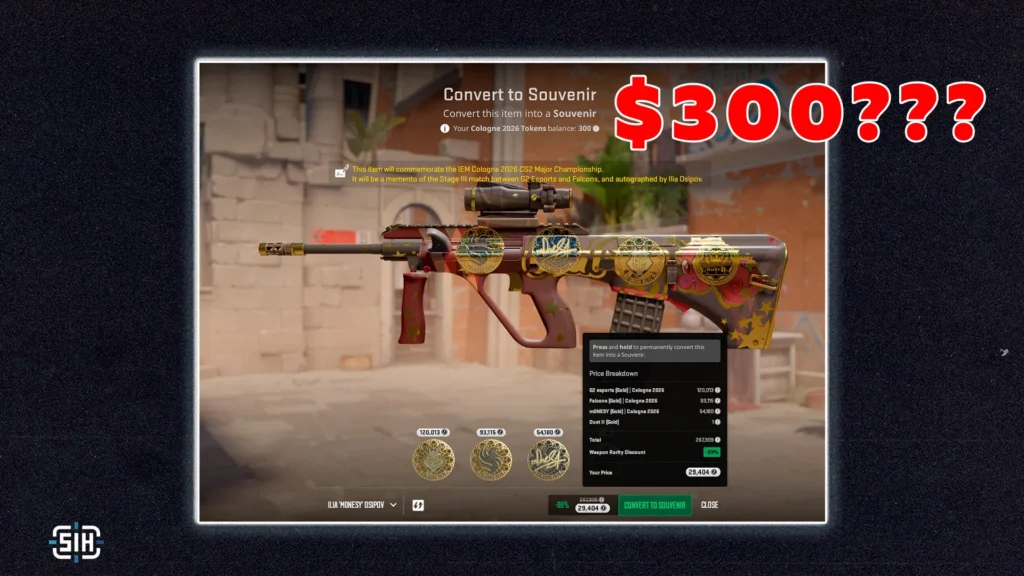
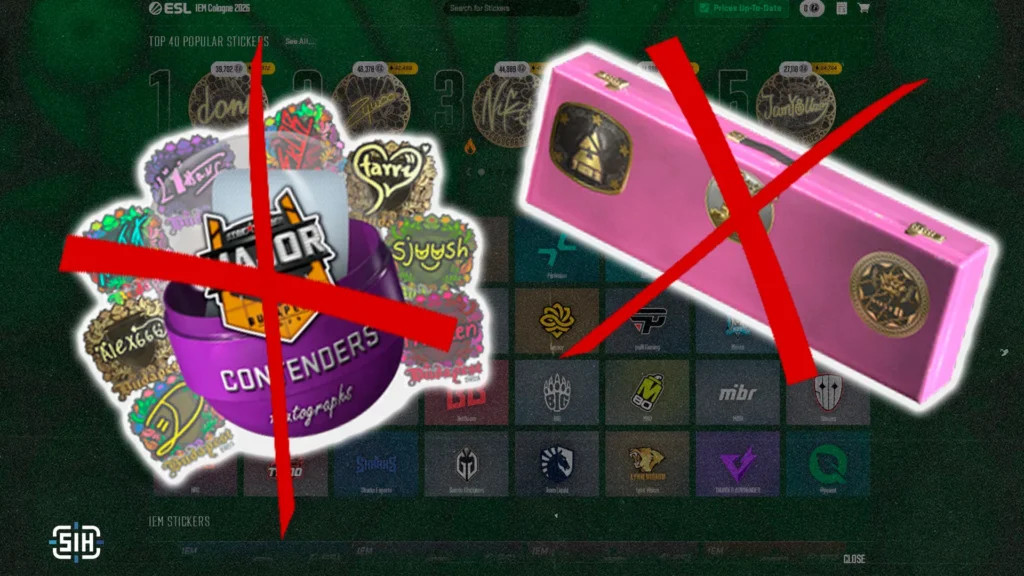
IEM Cologne Major 2026 has delivered the most radical overhaul of in-game tournament items in CS history. The familiar sticker capsules are gone entirely. In their place, Valve has opened the Major Shop – a store where you don’t pull a random sticker out of a pack, but buy a specific logo or autograph at a price that moves with demand. Souvenir packages have been retired too: the Budapest 2025 containers are the last of their kind, and there won’t be any more. Stepping into their place is the Souvenir-O-Matic, a tool that lets you turn any weapon in your inventory into a souvenir tied to a specific match played at the Major.

The community didn’t hold back. Part of the reaction was delight that you can finally buy exactly the autograph you want with no RNG; part was accusations that Valve now has total control over pricing. The numbers only fanned the flames: top stickers blew past a thousand dollars within the first few hours.

We’ve been watching this update closely, and we want to share our own take — where this is all heading, what’s driving it, and whether collectors should actually be worried. Below are our key arguments, with our reasoning on each.

1. This was a necessary move: Valve is steering the economy away from RNG and gambling

1. This was a necessary move: Valve is steering the economy away from RNG and gambling

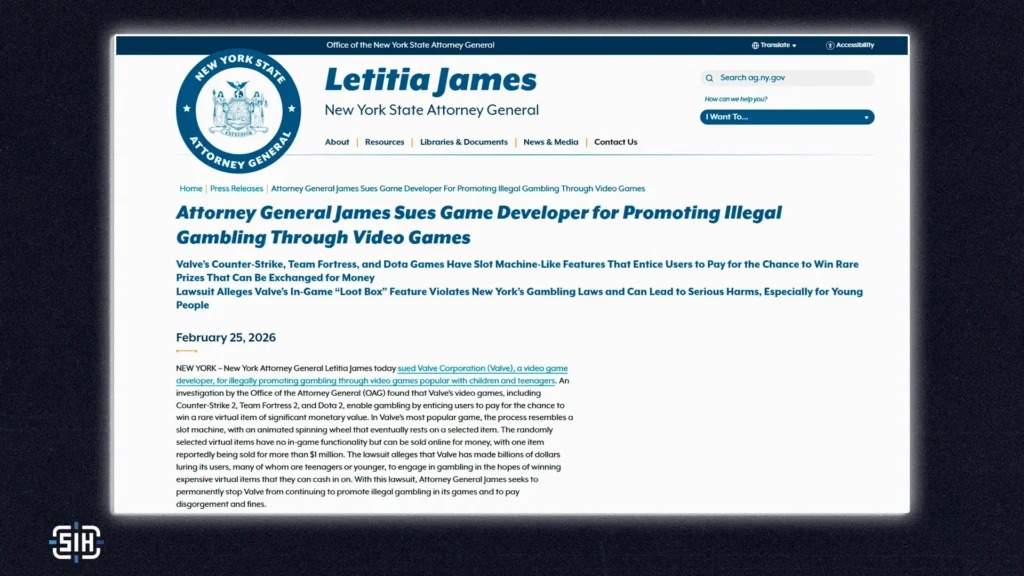
First, and in our view most important: the new system isn’t a developer whim — it’s a logical step away from randomness. For several years now, cases and capsules have been circled by lawsuits and accusations of disguised gambling. The clearest example is the lawsuit from the New York Attorney General, who argues that CS2 cases are effectively illegal gambling. Against that backdrop, any mechanic where you pay money and get a random item becomes a legal landmine.

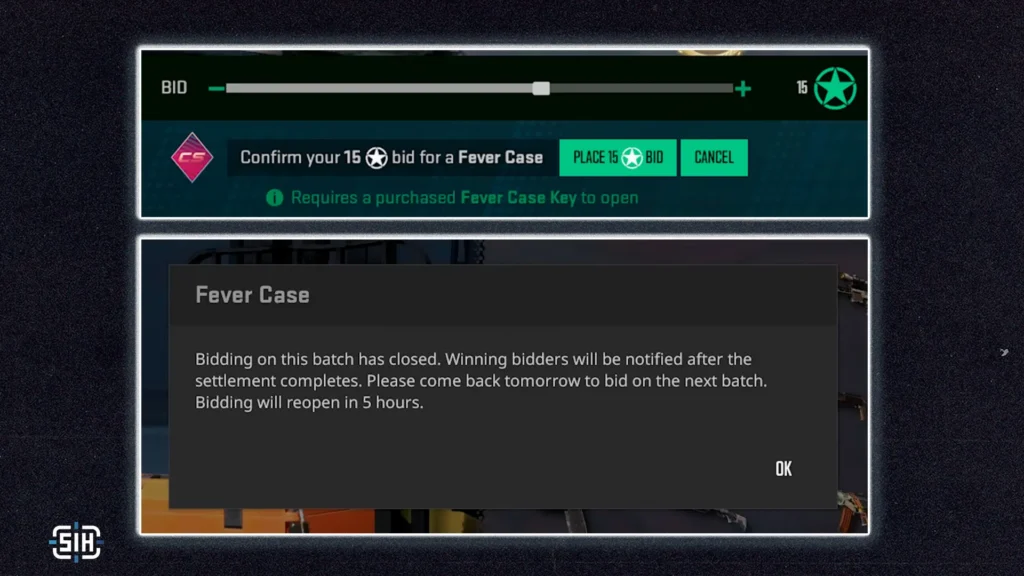
So what is Valve doing? Methodically moving everything onto in-game currencies and stripping RNG out of the spots that are easiest to challenge in court. Stars in the Armory, tokens in the Major Shop — these aren’t separate experiments, they’re one coherent strategy. From a regulator’s perspective, that’s a fundamentally different picture.

There’s also a nice bonus for Valve: with direct sticker sales, the company keeps 100% of the revenue from the sale itself (a portion of which then goes to royalties). In other words, killing off capsules hits two targets at once — it lowers regulatory risk and, far from hurting monetization, sometimes improves it. When profit and legal safety point the same way, there’s little doubt about the direction: RNG is going to keep getting carved out of Valve’s products.

2. Dynamic pricing is the first step toward an in-game exchange

2. Dynamic pricing is the first step toward an in-game exchange

This is the point we find most interesting. The Major Shop and its floating prices look an awful lot like a prototype for something bigger — an in-game marketplace or auction house, the kind that’s been rumored for years.

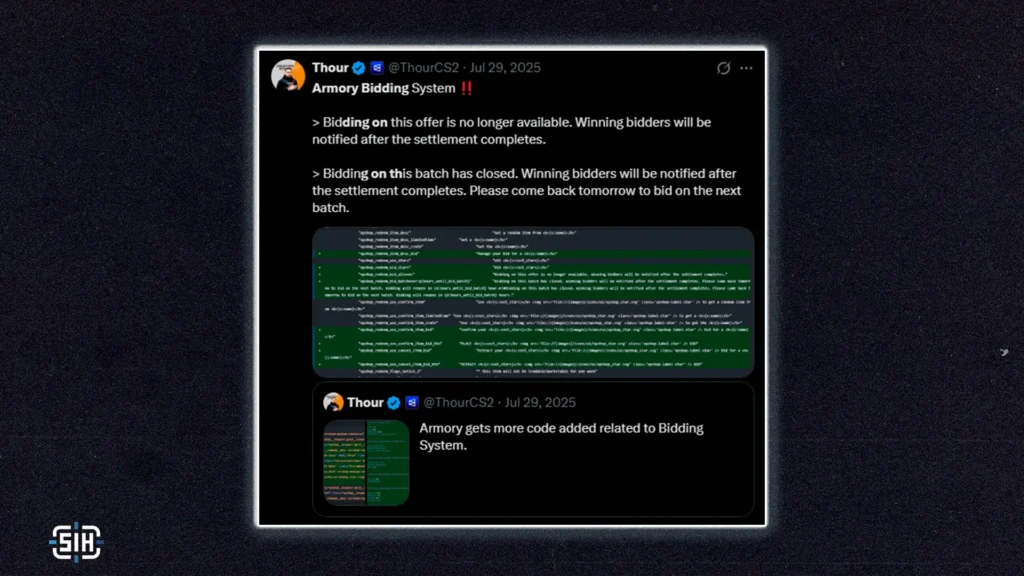
And this isn’t idle speculation. Last year, dataminers already dug up localization strings and references to a bidding system for the Armory in the game files — a mechanic where players spend stars or tokens for a chance at various items. In parallel, in spring 2026 Valve noticeably overhauled item listings on the Steam Community Market, openly framing CS2 as the showcase for the market’s new features. A picture comes together: Valve is simultaneously learning to manage demand and price inside the game while upgrading its trading infrastructure outside of it.

In that sense, the Major Shop is the perfect testing ground. On the live, hyped-up Major audience, Valve is road-testing dynamic pricing: how demand moves price, how batched (rather than instant) quote updates behave, how the protection against sharp price drops holds up. These are all building blocks of a future platform where you’ll be able to list items for tokens or stars — and, for the truly rare lots, let buyers fight it out. We’re not saying the auction house drops tomorrow. But the Major Shop sure looks like a test drive.

3. This is the moment "you can make money in CS2" finally lands — for everyone who used to scroll past it

3. This is the moment "you can make money in CS2" finally lands — for everyone who used to scroll past it

Our third point is about a new audience. Realistically, only a relatively small slice of players actively work the skin market today: traders, collectors, investors. Most people just play and crack open a case now and then.

Shops and “auctions” built right into the client could change that. When you can see, right there in the game’s UI, that a star player’s autograph costs as much as a decent graphics card, it’s impossible to ignore — something clicks for the newcomer: there’s real money moving here, and you can get a piece of it. It took a while for capsules to land too; it took several years and a couple of legendary tournaments before stickers came to be seen as an asset.

And here’s a major shift in the monetization philosophy itself. Valve used to make a lot of its money on the gamble — on players spinning RNG hoping to pull something expensive. The new model lets the company earn directly by selling a clear, understandable in-game product, while gently pulling its audience into the logic of “you put money in, you watch the price, maybe you come out ahead.” For the long-term health of the ecosystem — and for its standing with regulators — that’s obviously a more sustainable strategy than betting on loot-box adrenaline.

4. Souvenir items are becoming an endangered species — and that looks deliberate

4. Souvenir items are becoming an endangered species — and that looks deliberate

Our fourth point is about souvenirs, and it has several layers.

First, classic souvenir packages have been officially discontinued: Budapest 2025 was the last, and there almost certainly won’t be new ones for future Majors. The supply tap for old-style souvenirs has run dry.

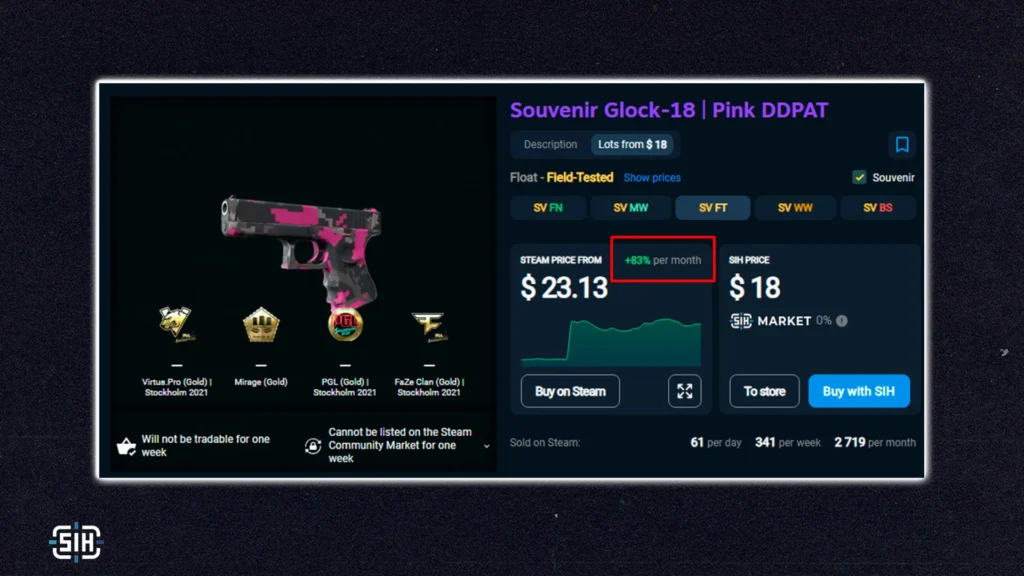
Second, with the May 22 update, souvenir items can now be put into trade-up contracts (previously they couldn’t). A contract always outputs a normal-quality skin, and all the souvenir attributes burn away in the process. In practice, that means cheap souvenirs are being mass-burned for trade-ups — so their actual supply sitting in inventories is shrinking. The market reacted instantly: cheap items jumped in price because they suddenly became useful fuel for contracts.

Souvenir-O-Matic

Third, new souvenirs made through the Souvenir-O-Matic will show up less often than you’d think. Yes, in theory you can make a souvenir out of almost any skin. But the cost of making one is tied to gold stickers of popular teams and players, and those are often absurdly expensive. Turning a pricey skin into a souvenir is a deliberate, costly decision that few will actually make.

Put the three factors together: old packages are gone, existing souvenirs are burning up in trade-ups, and making new ones is expensive and out of reach for most. The result is a precedent where “Souvenir” goes from a mass-market category to something rare and prestigious. We wouldn’t rule out that this is exactly what Valve is going for — making the Souvenir tag mean something special again.

5. IEM Cologne's items have a real shot at popping off and becoming scarce

5. IEM Cologne's items have a real shot at popping off and becoming scarce

Our fifth point is speculative, but it follows logically. The stickers and souvenirs from this particular Major have every chance of ending up rare.

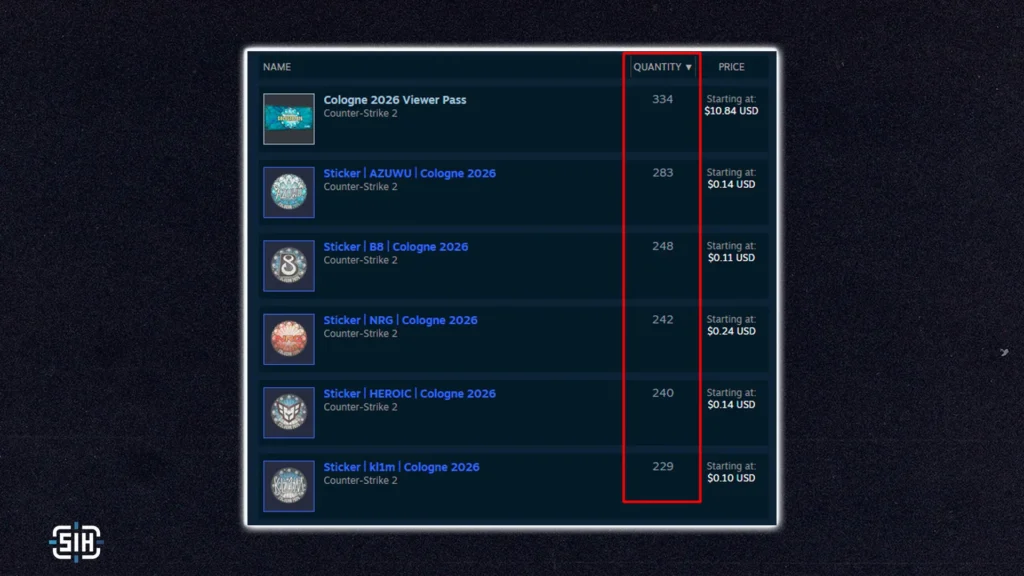
The system is new, and a lot of players still haven’t really figured out how it works: where to get tokens, how the price-drop protection is set up, why the same sticker can cost different amounts. Then there’s the price barrier — when part of the community is complaining that they simply can’t afford to take part in the event the way they’re used to, sticker volume inevitably sags. On top of that, the print run shrinks naturally as stickers get applied to weapons. Scarcity is already being baked in.

Add in ESL’s signature Cologne visual identity — that stained-glass, “cathedral” aesthetic that makes the set instantly recognizable — and you’ve got a collection with strong upside over the long run.

And this isn’t just our guesswork. Aurora’s owner, Lerich, has spoken openly about the weak sales:

"As for stickers at this Major: this is the worst Major for sticker sales by a massive margin, and the situation definitely isn't going to improve. For organizations, the financial value of a Major is now going to be much lower (obviously, on the competitive side it's still the most important event there is), and the number of tier-2 and tier-3 orgs is going to drop for sure. Which means the flukey, one-off sticker-farming runs out of the Americas and Asia are going to shrink substantially too."

L3rich
L3rich
Founder of Aurora

Lerich’s comments highlight two things. On the financial side: the new royalty model is now tied to VRS seeding and final placement (50% of Major Shop and Viewer Pass revenue is split between the organizer, the teams, and the players), and with record-low sales, the hit to that revenue lands hardest on the lower-tier teams. On the collecting side: if sales really are this low, that’s a direct route to a future shortage of IEM Cologne items. What sounds like bad news for the orgs could very well turn into rising value for the people holding the items.

6. What the community and collectors are saying (and why we're not brushing off the criticism)

To keep this piece from coming across as one-sided, it’s worth laying out the other side — and there’s plenty of it in the community.

Popular creators came down hard on the update: plenty of influencers called the system a flat-out cash grab and wildly overpriced, and some are pushing the idea outright that Valve has “broken Major sticker culture.” Analysts point to the core problem — a lack of transparency: players can’t see how many stickers have been sold or the logic behind why the price jumps around. They call the system a black box: Valve sets the starting prices itself, controls supply itself, and keeps all the data to itself. Compared to a stock market — which is what the system superficially resembles — that secrecy looks questionable.

Our stance here is balanced. The criticism is fair: the lack of transparency is a real problem, and Valve would do well to open up at least some basic stats. The question isn’t “is the system good or bad,” it’s whether Valve will dial in the transparency and the affordability of getting in.

The Big Questions

How will discounts work — will tokens get cheaper, will the stickers themselves, or will there be no discounts at all?

Valve hasn’t announced any direct “sale” mechanism. In practice: prices already drift down as demand falls, and there’s buyer protection on top of that — if a sticker’s price drops by more than 25 tokens within 24 hours of your purchase, the difference is automatically refunded in tokens. That means Valve would have to refund a sizable chunk of tokens if it introduced discounts, which doesn’t really add up. Our prediction: don’t expect classic percentage-off discounts. Prices will come down organically — through demand and a flood of supply onto third-party markets after the tournament — not through a “-80%” button.

Is this system here to stay, or are changes coming?

Here to stay, most likely. The product looks whole and well thought out — not a raw experiment but a finished architecture (the shop, tokens, price protection, the Souvenir-O-Matic). Coming up with a radical replacement for it would be hard. There’ll be tweaks, of course, but cosmetic ones: some things will get pricier, some cheaper, and Valve may add a bit of transparency under pressure from the criticism. One obvious change would be free sticker placement when creating a souvenir item. But the foundation, in our view, is here to stay.

Alex is an author and esports observer with more than seven years of experience. He specializes in analyzing new releases in the world of computer games, gaming services, and in-game economies. Alex shares practical experience and an expert perspective on the development of gaming, helping readers understand complex mechanics and stay up to date with the latest news.