CS2 Season 5 Breakdown (July 9 Update): Cache Replaces Overpass, a Reworked Bomb Blast, and a Divisive Armory
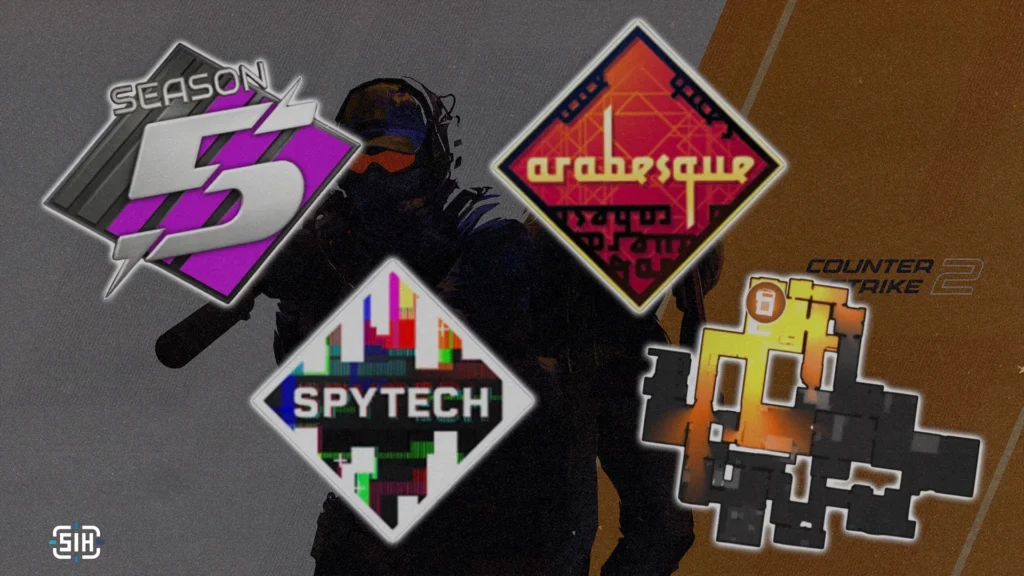
On July 6, Valve wrapped up Premier Season 4, took the mode offline for a couple of days, and came back with one of the beefiest patches of the summer. And this is one of those cases where “new season” means far more than a cosmetic rebrand with yet another coin — we’re talking several big changes at once: a reshuffled Active Duty pool, a completely reworked bomb-explosion mechanic, a refreshed Armory, and a fresh batch of community maps from the Steam Workshop. Below, we break down each piece on its own — what actually landed, how it changes the game, and what we and the community make of it all.
Cache Replaces Overpass: Finally on Active Duty
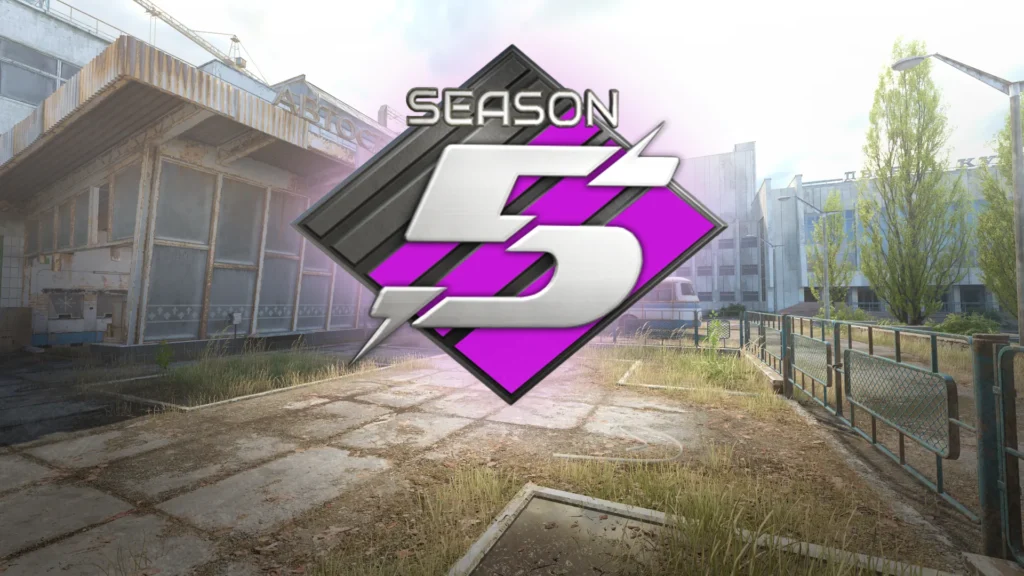
We’ve already covered the swap itself — and what it might mean for the pro scene — in detail, so here we’ll stick to the essentials: Cache is back on Active Duty, and Overpass heads to the bench.
If you remember Cache as that green, barely readable version, here’s the good news: Valve has completely rolled back the controversial 2019 redesign. The map is back in its native industrial palette — concrete, rust, Soviet-era architecture — and it all looks fantastic on the upgraded Source 2 engine. Along the way, the CT-mid window and the B-site lamp are gone, so while the overall shape is still familiar, you’ll need to relearn a couple of positions. Otherwise, this is the same old Cache — a fast, tempo-driven map where raw individual skill can decide a round far more than experience or knowing every angle.
So now there’s really only one question: will the map stick? We’ll get our first serious look at it on the pro stage in late July at BLAST Bounty Season 2 — but keep in mind, pro pick rates are secondary for Valve. What matters far more is the everyday player. It’s the rank-and-file crowd that drives the concurrent player count, and Valve reshuffles the Active Duty pool with them in mind first. And on that front, Cache is holding more than enough aces: the nostalgia around it lands with exactly that mass audience, not with the twenty-odd teams at a LAN. So the real test won’t be pick rates at events — it’ll be whether hundreds of thousands of players sink hours into it in Premier and regular matchmaking. And by the looks of it, its chances there are excellent.
New Community Maps: A Carousel With No Second Life
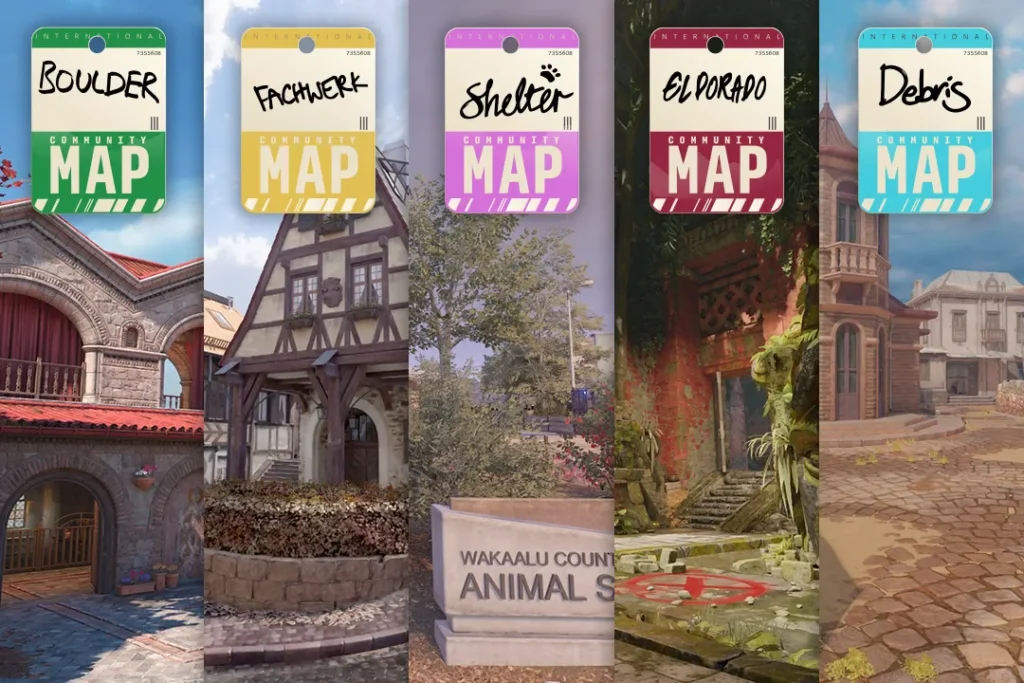
The new season also brought a fresh batch of community maps. Boulder, Fachwerk, and Shelter joined Competitive, Casual, and Deathmatch, while Debris and El Dorado were added to Wingman. To make room, Warden, Stronghold, Alpine, and Sanctum were pulled from the rotation.
It’s still too early to really judge them, but the general mood already comes through from the previews — and even the names. Fachwerk hints at a European, German-style town of timber-framed houses; Boulder takes you into a rocky quarry and even gives off a bit of a Cobblestone feel. El Dorado leans into Latin American exotica and clearly channels the vibe of the existing Ancient, while Shelter and Debris sound noticeably tighter and grimmer. For Wingman, fresh compact maps are a genuine gift in their own right: that mode goes stale the fastest, so any refresh of the pool does it good.
And yet there’s one sad pattern hiding behind this endless carousel. On one hand, it all makes sense: Valve gives mapmakers a chance to show what they can do and actually earn some money, and variety in casual queues never hurts. On the other, these maps almost never get a second life. They run for a season or two, then quietly disappear, and they simply never grow into Active Duty. Cache is the rarest of exceptions here — the one that proves the rule: its road from the Workshop to the main rotation took years. But it’s worth remembering that Cache’s story began a very, very long time ago. So we can picture a return for Cobblestone, Vertigo, maybe even Tuscan — but everything else will most likely stay exactly what it is: pleasant, disposable content.
The New Bomb Blast: This Is What Source 2 Was For
Now this is the flashiest item in the entire patch. The C4 used to deal damage instantly, across a simple radius. Now, detonation kicks off a full-blown shockwave that ripples out from the plant across the map. Walls block that wave, corners soften it, and the damage itself isn’t calculated on the fly — it’s read from precomputed values baked straight into the maps. The audio got some love too: the explosion was reworked to fit the new mechanic, and it now sounds suitably huge and cinematic.
This is essentially one of those exact features the move to Source 2 was made for — physics, lighting, sound, and sheer spectacle. Valve is leaning toward a younger audience more and more visibly, and clearly wants the game to look richer and more polished. There’s just one risk with that course: not alienating the old guard, who came to CS for anything but the visuals. But here the devs can rest easy — next to what the direct competitors serve up as a whole, a tidy little blast wave looks pretty restrained, and it’s unlikely to scare off the OGs.
The indicator that flashes on your health bar to preview whether you’ll survive the blast deserves its own mention. Useful, no argument there — but it’s yet another simplification aimed at newcomers, right alongside the utility-lineup hints in the opening rounds of a match. Fine, let it be; it doesn’t get in anyone’s way. It’s just that the overall direction has been obvious for a while now — Valve is lowering the barrier to entry steadily and deliberately, and one more step like this surprises no one anymore.
In gameplay terms, the new wave changes more than it seems at first glance. The shift will be felt hardest on Nuke: “through-the-floor” damage is essentially gone, which means you no longer have to bolt through spawn to escape a blast on the other site. Naturally, within the first few hours the community was off poking at every corner and digging up oddities — like spots where you take a laughable 1 damage just a couple of meters from the C4. So the way post-plant situations play out on a number of maps is going to change noticeably, and it’ll be genuinely fun to watch.
The Armory Rotation: We Expected More Than We Got
And here’s where the patch had its biggest letdown in store. The Armory rotation was a long wait wrapped in big expectations, so the question asks itself: did it live up to them? Honestly — not quite.
The Train 2025 and Sport & Field weapon collections left the Armory, and the Sugarface 2 and Elemental Craft sticker packs went with them. In their place came two new weapon collections, Arabesque and Spy Tech, plus two sticker sets — Fruits & Vegetables and Auto Racing. Every new item was pulled from Workshop submissions to the recent Call to Arms contest.
The weapons leave a mixed impression. There’s no faulting the quality of the skins themselves — they look perfectly solid. But the themes are handled surprisingly weakly: both “Arabesque” and “Spy Tech” are wide-open canvases for design (and there was no shortage of strong submissions), yet the end result came out cautious and disappointingly plain. And the main thing — it’s completely unclear what exactly Valve was curating so carefully and for so long. After all that time, you expect either a cohesive, thought-through aesthetic or a couple of skins with a real wow factor, and instead you get a set that’s sturdy but utterly forgettable. Sure, the devs couldn’t fill an entire collection with bangers — but it feels like they overcorrected there and left us with none at all.
The stickers, though, are a much happier story — and this is where things are genuinely good. Fruits & Vegetables and Auto Racing hit their themes far more precisely and look great, and for crafts they’re a real breath of fresh air. If any cosmetics in this patch deserve praise, it’s the stickers first and foremost.
And a small point of pride for us personally: we called several of the Workshop contest winners ahead of time. A little thing, sure, but a nice one — it means we understand what actually clicks with Valve a bit better than it might seem.
The Quiet Fixes That Matter More Than They Look
Valve also went through the “background,” almost invisible part of the patch — and one item here earns a thumbs-up of its own. The devs seriously cut the performance hit from opening the scoreboard (TAB): it used to nearly halve your FPS, and now it opens with barely a dip. On top of that, the engine was bumped to the latest Source 2 build, minor bugs on Cache, Dust 2, and Inferno were ironed out, along with a few small touches like half-degree increments for rotating stickers. On their own, none of these are a big deal — but it’s exactly these details that add up to the overall sense that the game feels snappier and nicer to play.
Community Reaction: A Split Along Familiar Lines
On the plus side:
- People are genuinely thrilled to have Cache back: nostalgia and a quality remake came together here, and that kind of unanimity is a rarity for the CS community.
- The new Armory stickers are praised almost unanimously — there’s barely a complaint to be found.
- The bomb mechanic was met with real excitement: plenty of players love the spectacle and are already busy mapping out their own “safe” corners.
On the downside:
- The Armory weapon collections got a noticeably cooler reception — very much a “we waited all this time for that?” mood.
- Some of the old guard grumble that CS is aping its competitors more and more and dumbing itself down for newcomers.
- Still, outright negativity is scarce: when it comes to the bomb, it’s more lively curiosity and memes than any real discontent.

Alex
Alex is an author and esports observer with more than seven years of experience. He specializes in analyzing new releases in the world of computer games, gaming services, and in-game economies. Alex shares practical experience and an expert perspective on the development of gaming, helping readers understand complex mechanics and stay up to date with the latest news.

