HomeSteam news30 Years of Valve: The Top 10 Things the Company Gave Us, from Half-Life to the Skin Market
30 Years of Valve: The Top 10 Things the Company Gave Us, from Half-Life to the Skin Market
30 Years of Valve: The Top 10 Things the Company Gave Us, from Half-Life to the Skin Market
On 24 August 1996, Gabe Newell and Mike Harrington walked out of Microsoft and registered a studio of their own. No shipped game to their name, no engine, no plan that reached any further than the first project.

Thirty years later their launcher sits on almost every gaming PC on the planet, and the rest of us argue about every decision the company makes. Valve has released maybe two dozen games in all that time, which is a laughable number for a studio of this size. Nearly every one of them rewrote the rules of its genre, and a few invented genres outright.

We’ve picked ten things without which the industry would look completely different. The order isn’t strictly by importance, but by how hard each one moved the needle.

Steam – the platform PC gaming runs on

Steam – the platform PC gaming runs on

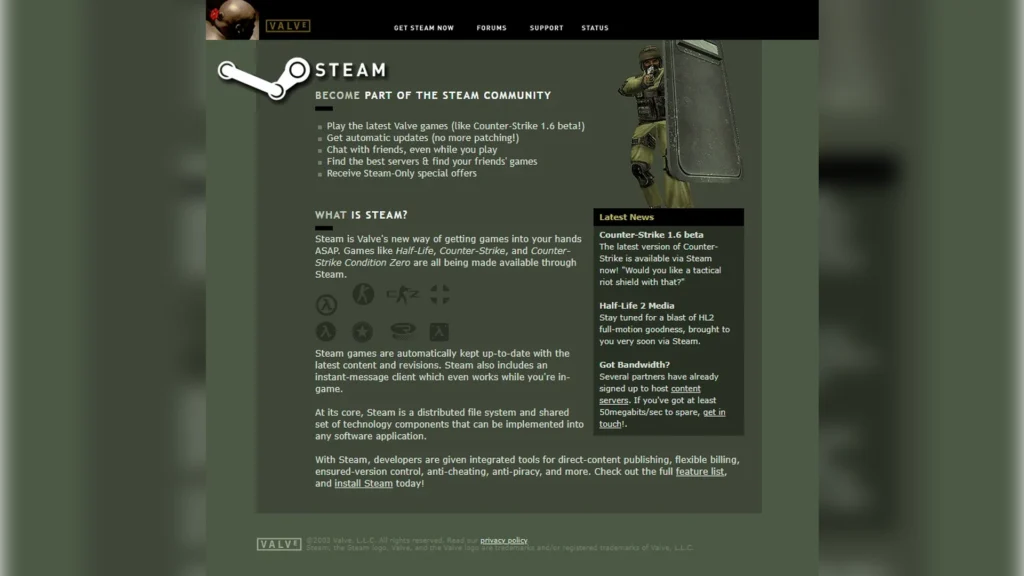
Steam launched in 2003 as a patching tool with some anti-cheat bolted on, and players hated it on sight. Want to play CS 1.6? Install this strange client that also, for some reason, demands an internet connection. A year later Valve went all in and made it mandatory for Half-Life 2. At the time it looked like sheer nerve. In hindsight it’s the single best business call in the history of PC gaming.

More money now flows through Steam than through any other games store going. Developers grumble about the cut, rivals throw discounts and exclusives at the problem, and everyone ends up here anyway. Valve spent twenty years building the things that never make it into a keynote: cloud saves, refunds, reviews, and a pile of tools for the community.

Half-Life – a new standard for storytelling in shooters

Half-Life – a new standard for storytelling in shooters

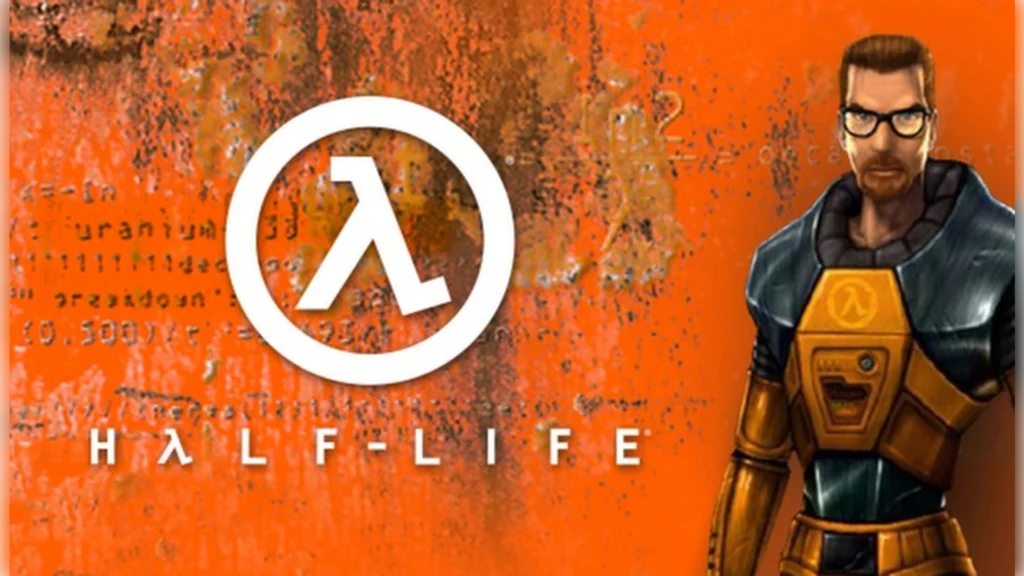
Valve’s debut proved a shooter could tell a story without ever taking the controls away from you. Every key scene plays out right in front of your face while you stand there and watch. Everyone does it now. It started here.

The development also explains a lot about Valve’s relationship with deadlines. The release slipped four times, and at one point the team binned a nearly finished game and started over, because what they had was merely fine and fine wasn’t good enough. Half-Life went on to collect more than fifty Game of the Year awards.

The gravity gun from the sequel deserves its own mention. It made the case that physics could be a mechanic rather than set dressing, and half the indie scene of the following decade grew out of that idea.

Counter-Strike – the mod that became a sport

Counter-Strike – the mod that became a sport

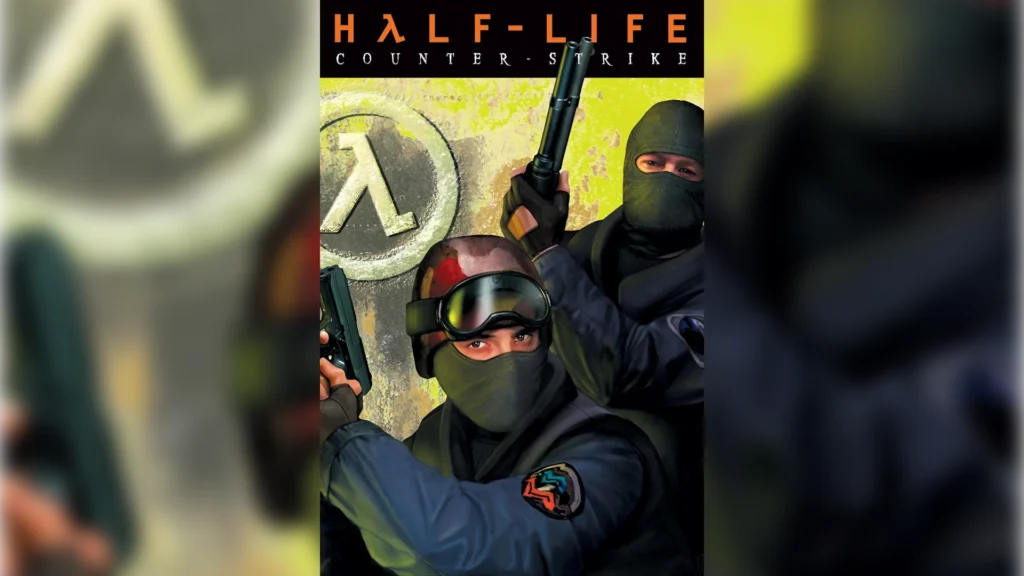
CS was built by two enthusiasts, Minh “Gooseman” Le and Jess Cliffe, and Valve had nothing whatsoever to do with the early versions. Noticing what people were actually playing on its engine, the company bought the rights and hired both of them. Team Fortress and Day of Defeat went exactly the same way, which means Valve had turned modding into a recruitment pipeline a full decade before the Steam Workshop existed.

Twenty-six years on, CS is still the most played competitive game on PC. What matters here isn’t so much the purchase itself as the principle Valve locked in for decades to come: the best idea doesn’t have to come from inside the building. You just have to spot it and then not break it.

The Arms Deal and the CS skin market

The Arms Deal and the CS skin market

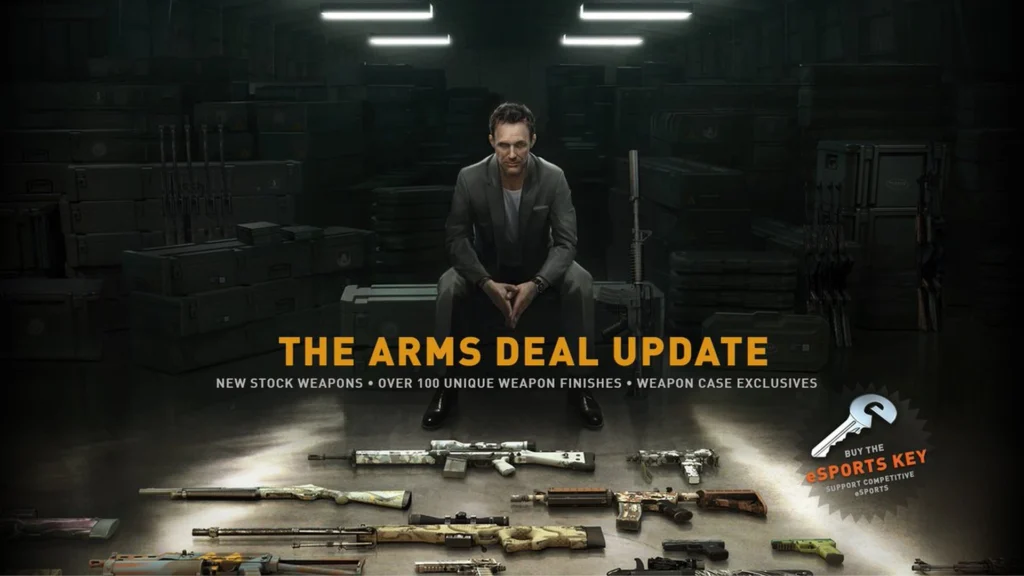
The 2013 update that accidentally created an entire industry. Skins started life as a way to fund tournaments, and nobody at Valve was planning for a knife to cost as much as a car ten years down the line, or for an ecosystem of marketplaces, analytics services and extensions like our own SIH to grow up around the items.

The flip side is the lawsuits and the accusations of hidden gambling, which we covered in our piece on the end of the capsule era. It’s why the company is now methodically steering the economy away from randomness and towards straight purchases with tokens. Thirty years in, Valve is cleaning up after a single update that was only ever meant to top up a prize pool.

Steam Workshop – the community as an in-house art department

Steam Workshop – the community as an in-house art department

For CS2 the Workshop is quite literally how the arsenal gets restocked. Half the skins you’re wearing were drawn by players, and contests like Call to Arms-ory have become a genre of their own, complete with star names and the occasional scandal.

The royalties are what make it work. Creators get paid properly, so the people submitting to the Workshop aren’t hobbyists running on enthusiasm but professional artists doing their actual job. Plenty of companies have tried to copy the mechanic. Very few were willing to share revenue on those terms, and without that you don’t have a workshop at all.

Team Fortress 2 and cosmetics as a business model

Team Fortress 2 and cosmetics as a business model

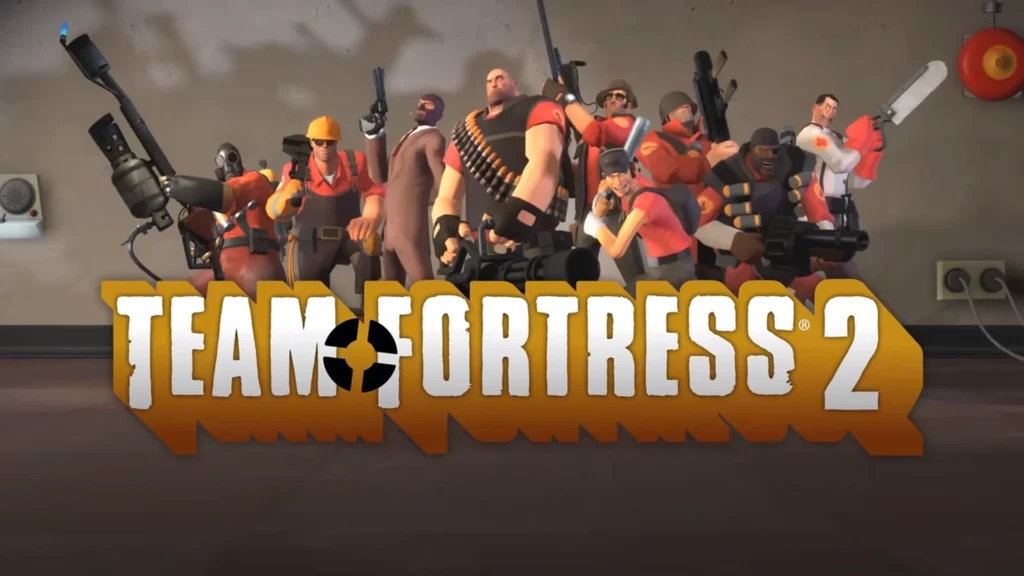
TF2 went free-to-play in 2011 and started making its money on hats. The Western industry still treated free-to-play as a niche Korean curiosity at the time, and the going assumption was that you paid for the box.

Dota 2, CS:GO, Fortnite and the rest of the world followed. Separating cosmetics from balance and selling status instead of advantage feels like a given now. Back then it was a genuine gamble, and it laid the foundations for everything we currently call the in-game item market.

Portal – one mechanic, one button

Portal – one mechanic, one button

Valve spotted a student project built around portals, hired the authors wholesale, and handed them a budget, a cast and a script. Out came a game that gave us the physics puzzler as a genre, GLaDOS, and “the cake is a lie”, one of the first gaming memes to go properly global. The sequel added co-op and proved that comedy in games can be written to the standard of a good sitcom.

The International and the Battle Pass – crowdfunded prize pools

The International and the Battle Pass – crowdfunded prize pools

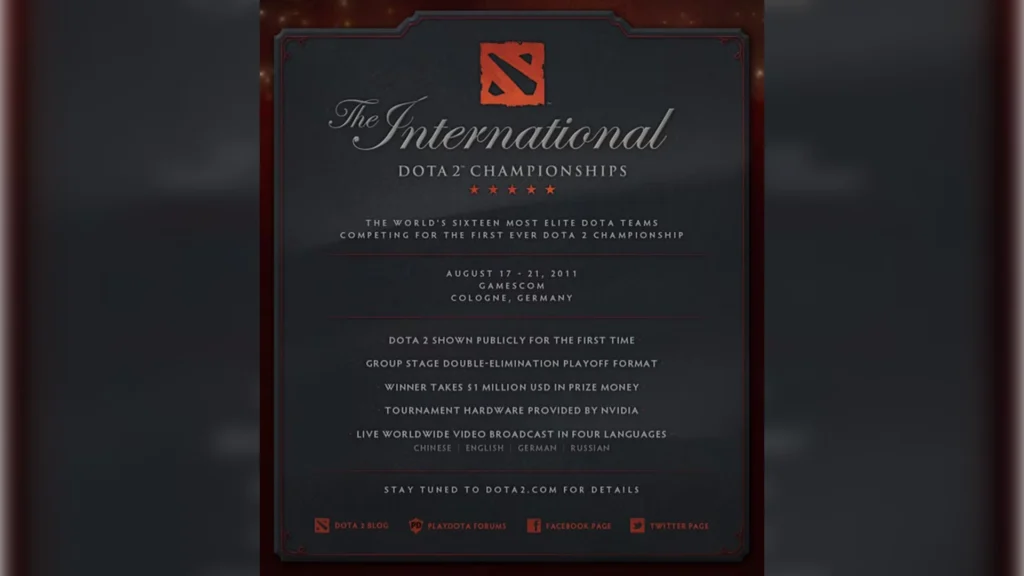
The first TI handed out $1.6 million and reset everyone’s expectations of what esports could pay. Valve then invented the model where players buy a seasonal pass and a slice of the revenue feeds the pot, and pushed prize pools past forty million. The scramble to copy it was immediate.

Valve brought the same principle over to CS, just with a different recipient. Half the sticker revenue goes not to the prize pool but straight to the organiser, the teams and the players. Buy a sticker of your favourite roster and you’re effectively chipping in towards their wages.

Steam Deck – PC gaming's answer to the handheld

Steam Deck – PC gaming's answer to the handheld

For thirty years the PC lost to consoles on one point: you couldn’t take it to the sofa, and you certainly couldn’t take it on a train. Nintendo understood this perfectly well and built an empire on portable gaming, while everyone with an expensive rig sat at a desk and envied them.

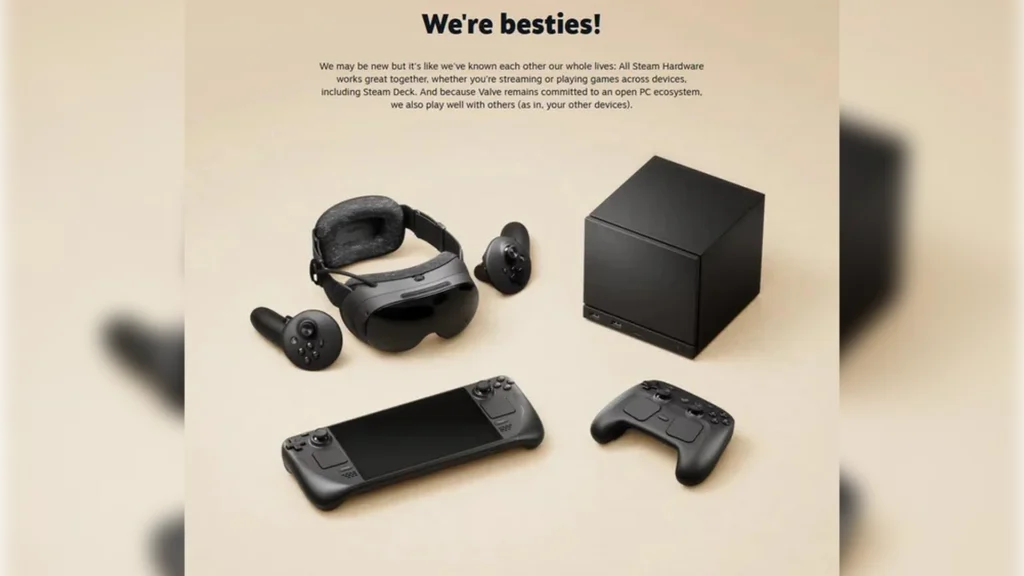
The Steam Deck settled the argument, and not in the way any other company would have gone about it. This isn’t a console with exclusives and a storefront of its own, it’s your existing Steam library in your hands. No remasters, no buying the same game twice, no cut-down ports. The side effect turned out to matter more than the hardware: PC gaming finally has a platform that doesn’t depend on Windows, which is insurance for all of us should Microsoft ever change its mind.

Half-Life: Alyx – the best case anyone has made for VR

Half-Life: Alyx – the best case anyone has made for VR

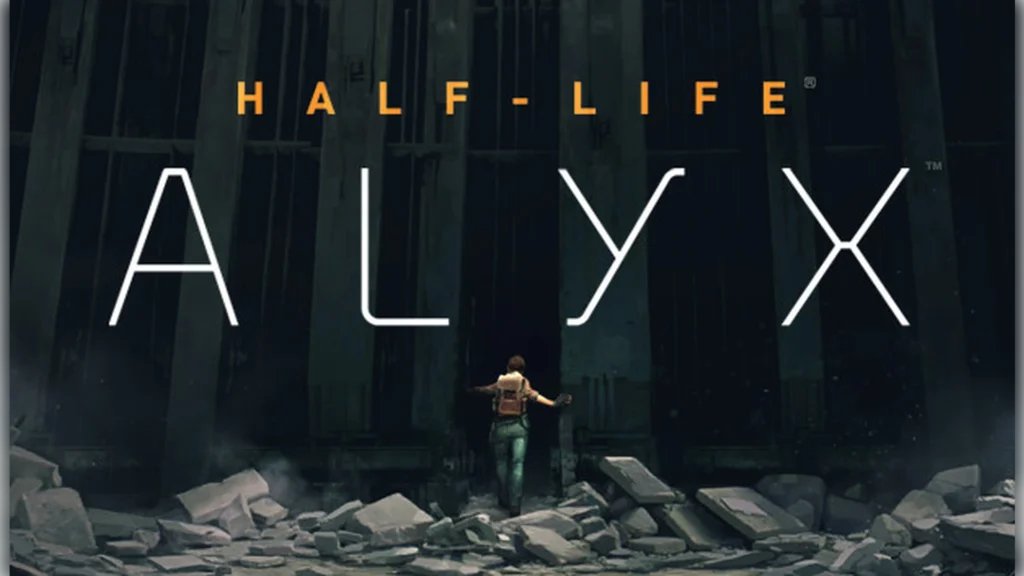
A game made for reasons other than money. Valve poured years into a VR project knowing full well that only a handful of its players owned a headset, and shipped the best thing the format had seen. Alyx was also Valve’s first shooter on the new engine, the one CS2 runs on today. So the next time you’re cursing the smokes or subtick, remember where all of that was road-tested.

What comes next: Half-Life 3, Steam Frame and Deadlock

The Steam Frame headset is still waiting to arrive, Deadlock is still trying to get out of beta, and Half-Life 3 reportedly exists as a build you can play start to finish. No official announcement turned up for the thirtieth anniversary, though, so treat the rumours exactly as you’ve treated every other Half-Life 3 rumour of the last eighteen years.

As for us, we’re waiting on other things: how Valve tunes the Major Shop before Singapore, whether we ever get a proper scraper for stickers, and whether the anti-cheat gets sorted out. Thirty years ago Gabe Newell wanted to make a shooter where the story never stops. He ended up building the market the rest of us now live in as well.

Happy birthday, Valve!

Alex is an author and esports observer with more than seven years of experience. He specializes in analyzing new releases in the world of computer games, gaming services, and in-game economies. Alex shares practical experience and an expert perspective on the development of gaming, helping readers understand complex mechanics and stay up to date with the latest news.