CS2 Rush Mode One Month Later: Hit or Miss for Valve?
Late on September 22, Valve shipped the Rush Hour update and, for the first time in CS2’s three-year life, added a matchmaking mode Counter-Strike had never had before. For the first day or so, though, the community talked about it far less than about chickens: eggs and feed in the weekly drop quickly took over the conversation. And under every Rush post, the usual joke made the rounds: instead of a mode nobody asked for, how about finally doing something about cheaters?
Almost four weeks have passed since then. The hype has died down, Valve has pushed a batch of fixes, and players have logged enough matches for Rush to stop being a novelty and settle into the weekly routine as a warmup and an XP grind. Time to figure out whether the mode has stuck, what people are saying about it on Reddit, X, and the forums, and whether the effort Valve put into it has paid off.
How Much Valve Put Into Rush
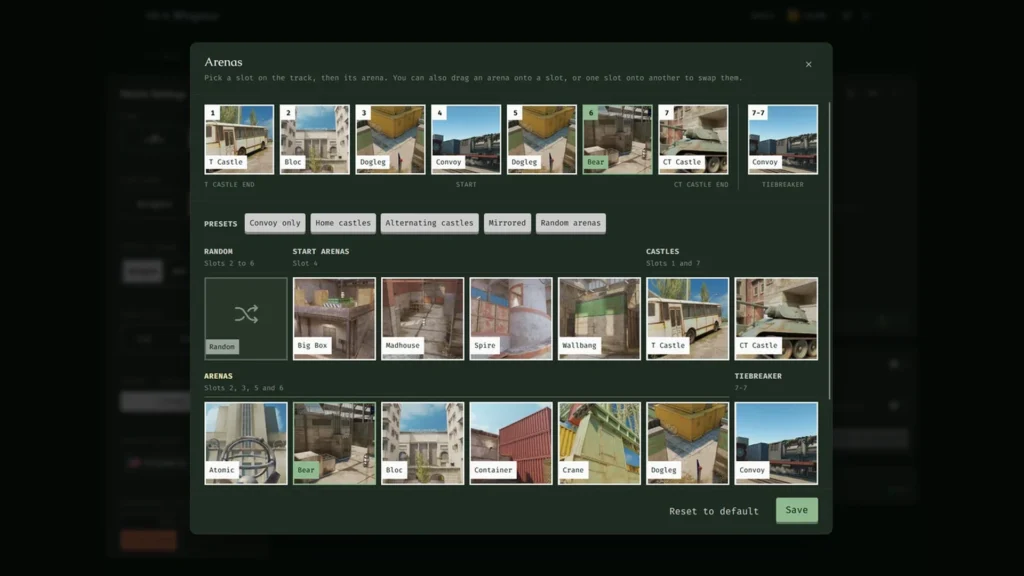
Rush isn’t just a new spin on old maps. Valve built a dedicated map for it, Complex: nearly two dozen arenas made from scratch for 3v3 fights, from the center halls to the team castles and Convoy, a two-train arena that hosts the deciding round at 7–7. Each one has its own layout, its own verticality, and its own tower placement, and that tower is what the whole mode revolves around. Dataminers who dug through the map script also found an interesting detail: the actual arena pool doesn’t match the official poster. Matches feature Atomic, Medusa, Trainyard, and Bloc, none of which appear on the artwork, while some of the arenas that are pictured don’t exist in the files at all. It looks like Valve kept reshuffling the lineup right up to launch.
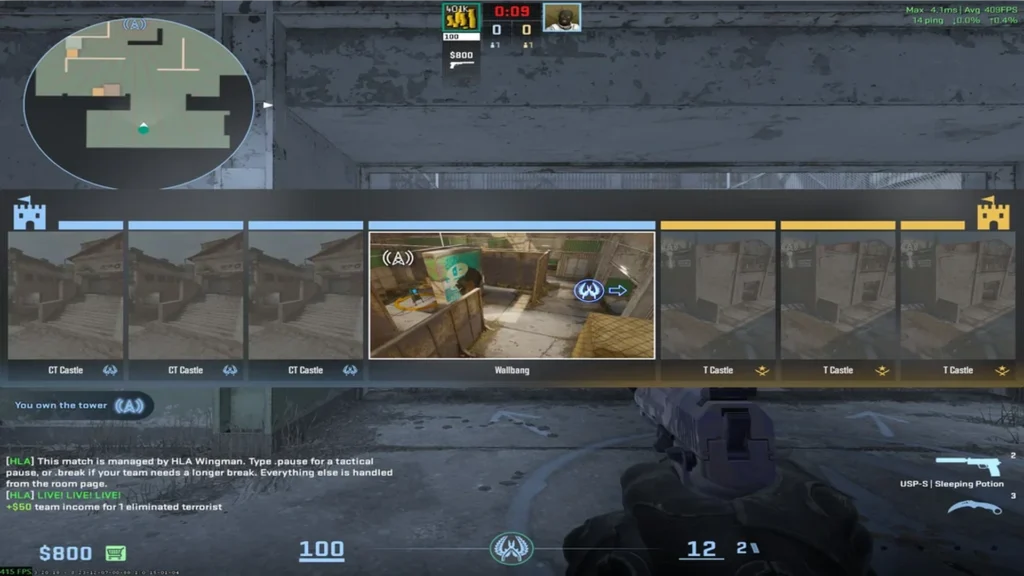
You can see the investment in how Valve has supported the mode, too. In the first week alone, four patches touched Rush, covering everything from the post-wipe tower capture timer (bumped from 7 to 14 seconds in the castles) to the kick rules for team damage. Another round of clipping fixes landed on October 8. Rush has its own tile on the main menu, and a weekly mission is built entirely around it. That’s not how you treat an experiment you plan to quietly pull a month later.
What the Numbers Say
Right after the update, CS2’s player count jumped: on September 23, Steam recorded 1,450,705 concurrent players. That’s the highest since June and roughly 9% above August’s peak. But September’s average landed at around 805,000, the seventh straight month of decline, although the drop has slowed noticeably since spring.
The real problem is that Valve doesn’t publish stats for individual modes. Nobody can say how many of those 1.45 million players actually queued Rush and how many logged in to check out the chickens and silent reloads. That leaves gut feeling, and ours says the mode is genuinely popular. It didn’t trigger a big spike, but that doesn’t seem to have been the point: Rush isn’t built to drive peaks, it’s built to give players a reason to log in every day.
Community Reaction: From "Favorite Mode" to "Where Are the Ranks?"
Among players who’ve given Rush a real shot, the feedback leans positive. Some call it close to their favorite way to play CS2 and say it’s breathed new life into the game. Team Spirit’s players were fans too: TN1R called it dynamic and fun, and sh1ro kept it short, saying the 3v3 format turned out pretty cool. Plenty of people also see Rush as the perfect playground for a trio of friends who never quite committed to queuing CS2 regularly.
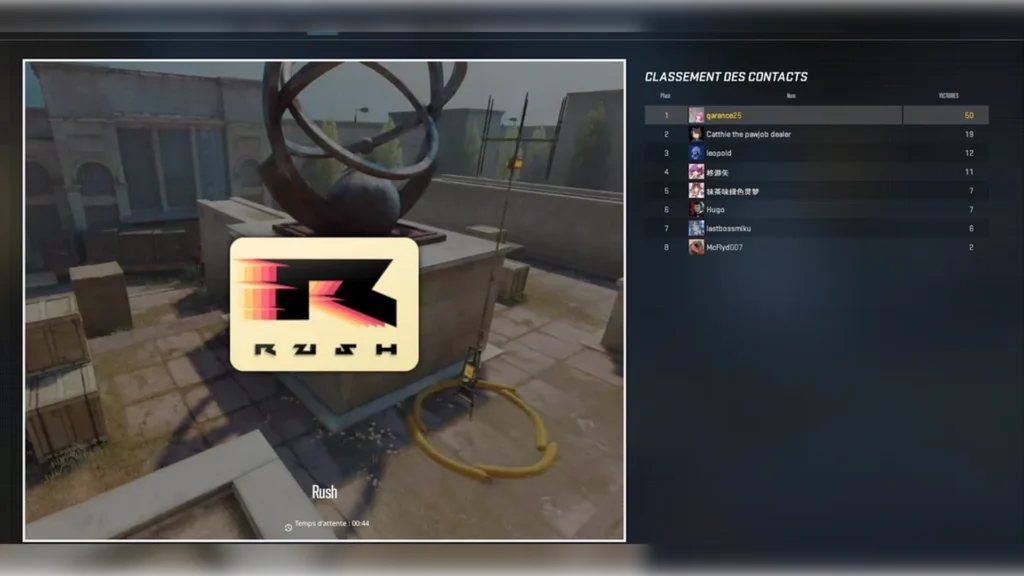
The criticism comes down to a few themes. The first is the lack of ranks. Beyond a friends leaderboard tracking wins, Rush has no rating and no skill groups, and some players flat-out call it bland for that reason: there’s nothing to compete for. The second is arena RNG. If you land an arena where the positions favor the other team, there’s nothing you can do about it, and the tactical depth of a Mirage or an Inferno just isn’t there by design. And of course, nostalgia found its way in: even TN1R, right after praising Rush, asked for Danger Zone to come back, and enthusiasts ended up reviving it themselves on community servers.
Is Rush Worth It for XP Farming?
To unlock your weekly drop, you need Prime, XP earned on official servers, and a level-up. Before Rush, that almost always meant several full MM matches spent wondering whether there was a cheater in the lobby. Not exactly a good time. Rush turns the same routine into something much faster and more fun: a short 3v3 match with real stakes instead of a long slog.
And as we all know, the latest update gave the grind an extra incentive: pets. Eggs and feed drop only from the weekly care package, each one eats up both reward slots, and an unfed chick simply leaves. Want to raise a chicken? You need to level up consistently every week, and even then there’s no guarantee, since eggs drop at random. Even s1mple complained that he’d gone three weeks without an egg.
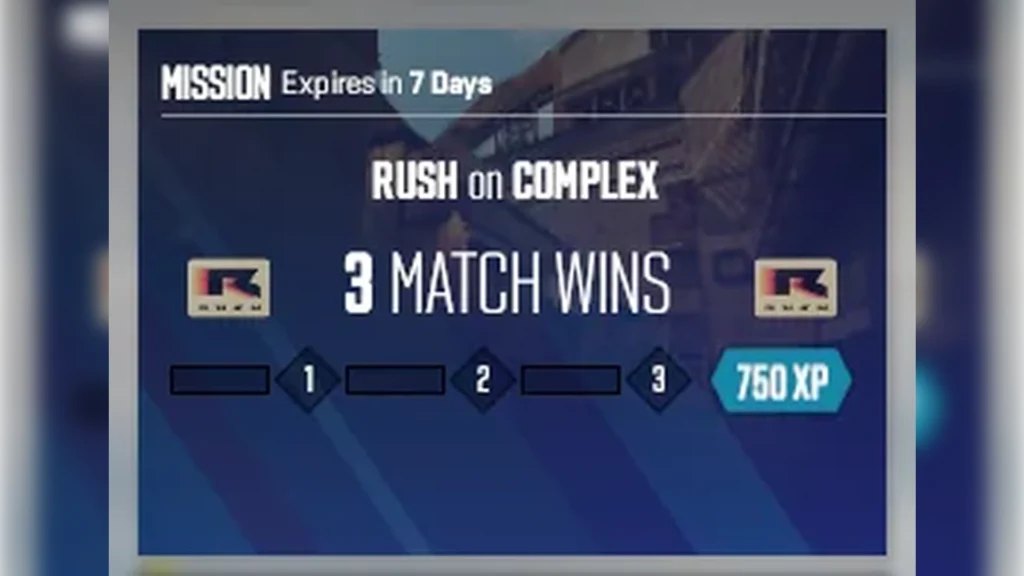
Here’s the catch, though: Rush gives noticeably less XP than MM. Exactly how much depends on your personal score, the result, and a bunch of other factors, but the gap feels significant. What really matters is how your time adds up. A Rush match can end in a sweep in under five minutes, and even a drawn-out one rarely goes past 10–15. The drop comes once a week, and playing one or two Rush games a day is far easier and more enjoyable than carving out time for three or four full MM matches. On top of that, Valve sweetened the deal with a weekly mission: three Rush wins for 750 XP.
Not Mirage, but Still Practice
You won’t be practicing lineups or learning off-angles in Rush: the arenas are new, there are no familiar spots, and you only get one grenade per round. What the mode does train well is snappy close-range aim and the ability to lock into a fast pace from the very first second. A 40-second round leaves no time to ease in, and constant duels keep you sharp. Most importantly, there’s real adrenaline and a real drive to win, since every round you lose pushes the fight toward your own castle. No wonder plenty of guides already recommend a couple of Rush matches before a ranked session instead of a regular warmup.
Three's a Team
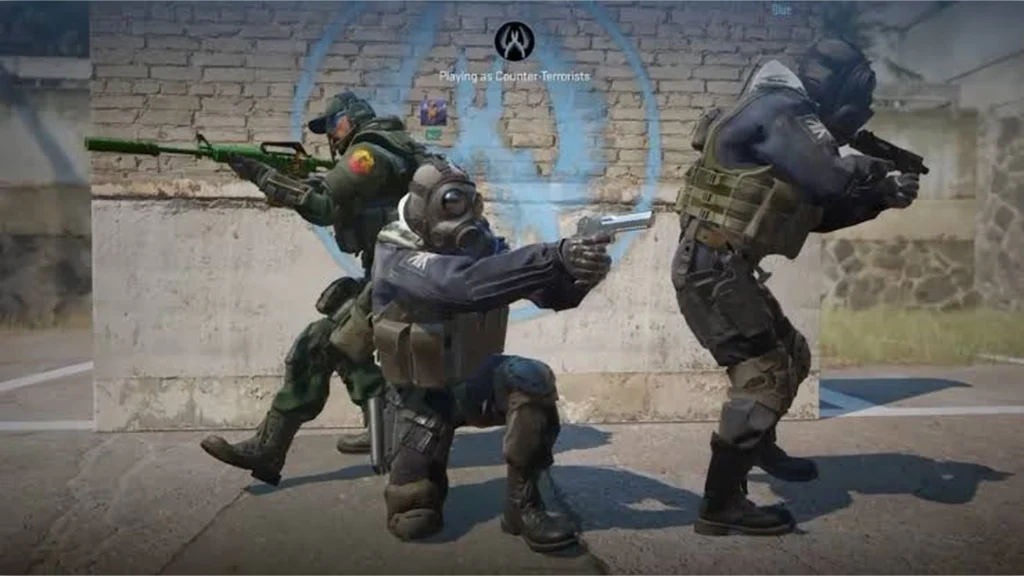
Another underrated advantage is party size. A full stack in Rush is just three players, which lowers the barrier to entry a lot. Getting two friends together is easier than getting four, matches are shorter, and you barely have to work around anyone’s schedule. And if you can’t fill a team, you can always queue solo or as a duo.
There’s also an everyday scenario anyone who plays in a five-stack knows well. Someone steps away for twenty minutes, and everyone else sits in the lobby waiting. That time used to be spent alone. Now you can fill it with an actual team match.
Rush vs. FACEIT? No, and It Doesn't Need to Be
Until CS2 has a proper anti-cheat, no mode, Rush or otherwise, is going to pull players away from FACEIT. But Valve doesn’t seem to need that. FACEIT’s audience is people who came for serious competitive play and are willing to install a third-party client to get it. They’re not the players Valve is fighting for.
Rush’s job is far more modest and far more achievable: give an alternative to people who play in the official client and want a quick team game without stressing over their rating. On that front, it delivers.
What's Next
Valve hasn’t said whether Rush is here to stay or whether it’ll get ranks. The closest precedent is Wingman: it arrived in 2017 with Operation Hydra and stuck around after the operation ended, complete with its own skill groups. Rush launched with no rating at all, so its road to becoming a full-fledged competitive mode is considerably longer.
Rush hasn’t reversed the player count decline, and it isn’t the answer to CS2’s biggest complaints. What it has done is fill a gap that’s been there since launch: between Deathmatch and 40-minute Premier matches, there’s finally something fast, team-based, and genuinely exciting. For the first truly new mode in three years, that’s a solid result. Now it just needs ranks and new arenas, and Rush has every chance of following in Danger Zone’s footsteps.

Alex
Alex is an author and esports observer with more than seven years of experience. He specializes in analyzing new releases in the world of computer games, gaming services, and in-game economies. Alex shares practical experience and an expert perspective on the development of gaming, helping readers understand complex mechanics and stay up to date with the latest news.

