Cache Is Back on the Pro Scene — Here’s Why It Pushes Us Even Closer to a Falcons EraSteam newsCache Is Back on the Pro Scene — Here’s Why It Pushes Us Even Closer to a Falcons Era
Cache Is Back on the Pro Scene — Here’s Why It Pushes Us Even Closer to a Falcons Era
Cache Is Back on the Pro Scene — Here's Why It Pushes Us Even Closer to a Falcons Era
When Cache landed in CS2, you’d have been hard-pressed to find a single person in the community who doubted it would slot straight into the Active Duty pool right after the IEM Cologne Major 2026. And that’s exactly what happened — which is why the announcement itself wasn’t much of a banger, unlike the map’s actual release. It had been playable on FACEIT long before that anyway, first in FMPONE’s version and later quickly updated to Valve’s official one. The only real question left was which map would get benched — and that’s where opinions started to split.

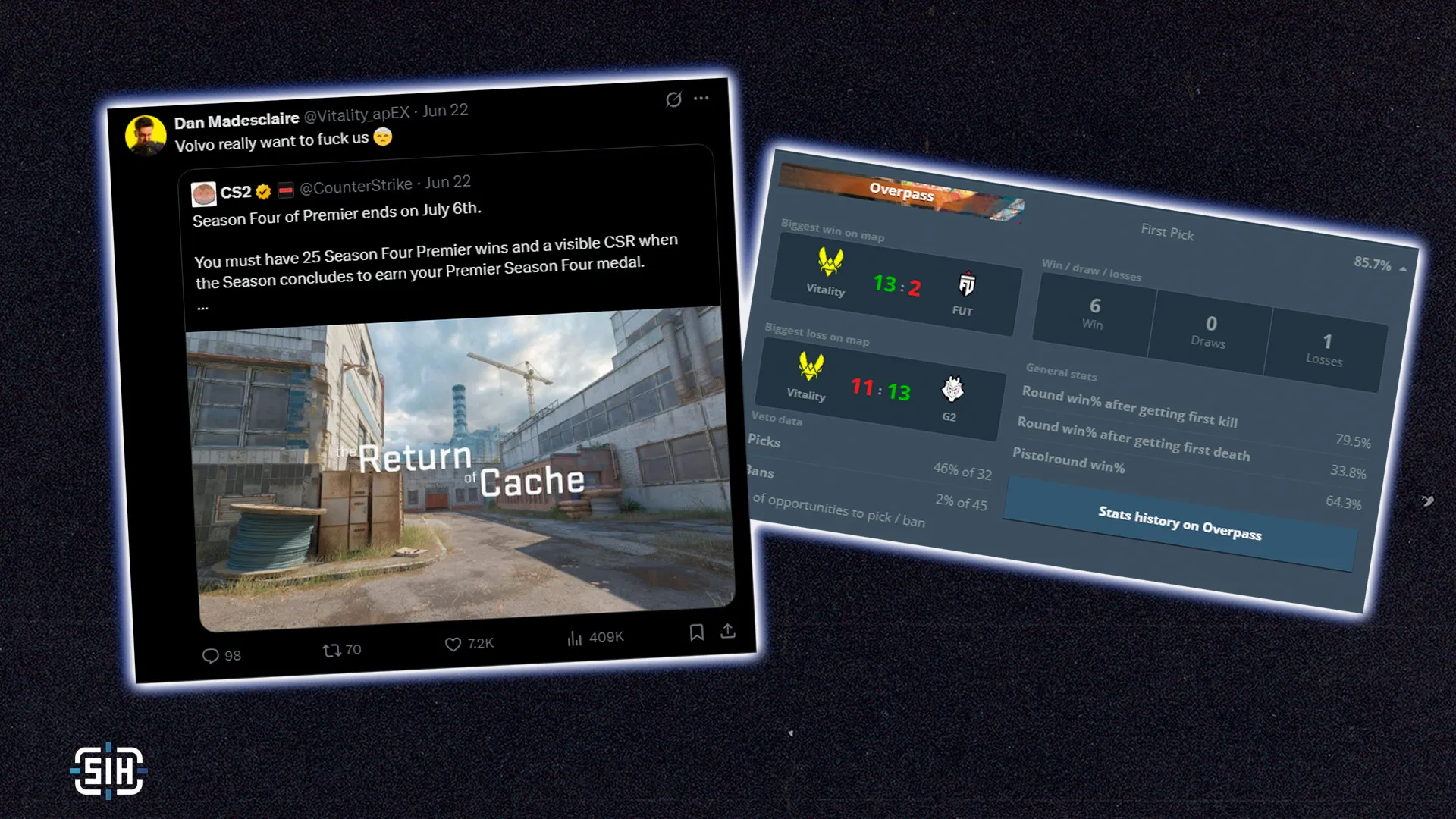
We called it back in early May, putting our money on Overpass — and the bet paid off. Once Premier Season 5 kicks off (Season 4 wraps up on July 6, 2026), the map will be off the table. In this piece, we’ll break down why the axe fell on Overpass, and why the freshly crowned Major champions have every reason to be thrilled.

Why Has Overpass Been Cut Yet Again?

You’d think the case was closed: not long ago in CS2’s short history, the map was already pulled for a rework over shaky FPS, then brought back. So why bench it again? The frame rate is perfectly stable now, pro teams run it regularly and even take it as their own pick — so what gives?

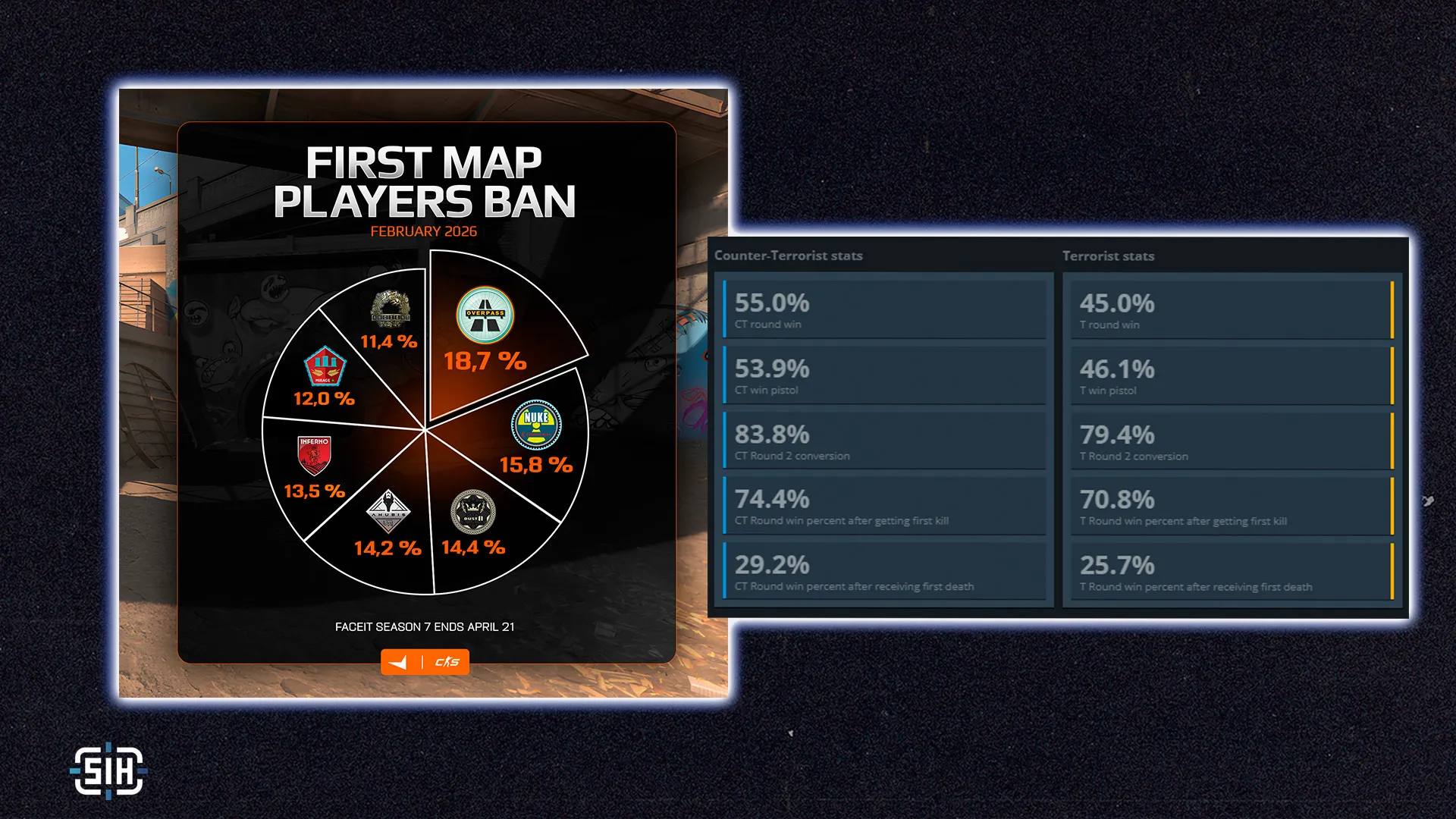
First and foremost, Valve builds around the everyday player, and in all its years in the game, the map never truly won the community over. The reason is simple enough: it’s relatively big and demands tight, coordinated teamplay. For a lot of players, that makes it a slog — and, by extension, a bore. Valve’s north star is the player count, and if a map in the pool isn’t pulling people in, out it goes. Cache’s appeal, on the other hand, needs no explanation: we’ve waited ages for this banger, so every third match will now be headed for the outskirts of Chernobyl.

Who's Unhappy About the Change?

Broadly speaking, the weaker teams took the biggest hit from this shake-up. Overpass demanded serious prep, and tier-2 squads often pulled it out as a trump card against more seasoned opponents. It’s also one of the most lopsided maps in the pool: the defense has it noticeably easier than the attack. You can hold the CT side with barely any initiative, which keeps the risk of a mistake to a minimum.

As for the top teams, the picture gets more specific:

Vitality love taking it as their own pick: over the past three months they’ve dropped just one of seven maps played on it. Captain apEX made no effort to hide his frustration and went straight to social media: “Volvo really want to f*ck us :(“.

G2 — for the Samurai, this map was their go-to weapon at the recent Major in Cologne. They beat FUT on it twice, got past Legacy in a crucial Stage 3 clash, and in the quarterfinals an Overpass win put them ahead in their series against Spirit. For G2, this one stings: once again, they’re left without the map where they feel most confident and can unlock their enormous potential.

FURIA stepped onto the map three times at the IEM Cologne Major 2026 — and won all three. Over the last three months they’re sitting above a 70% win rate on Overpass, and over the past month it’s a flawless 100%. The Brazilians were no slouches on Cache back in the day, but molodoy and YEKINDAR have next to no experience there.

MOUZ and Aurora belong in this group too, though word is both are in for major roster shuffles, so the change won’t hit them as hard as it otherwise might.

Who Comes Out Ahead?

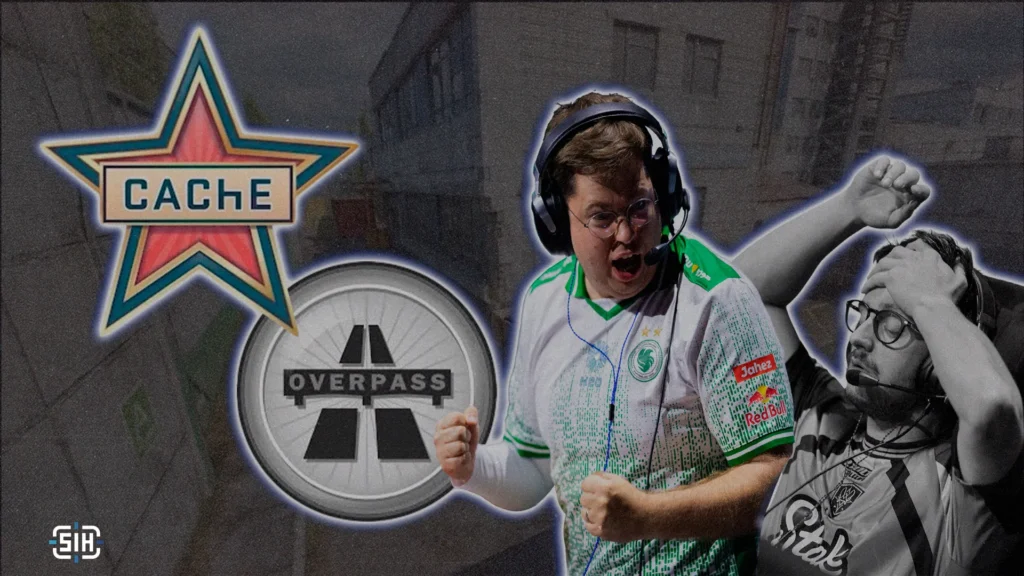
Surprisingly, only three teams in HLTV’s top 20 perma-banned Overpass and refused to play it: NAVI, Liquid, and Falcons. For them, this is unquestionably good news. They can either start learning Cache alongside everyone else and cut a different map from their rotation, or leave things exactly as they are and stay a step ahead of the field.

We won’t dwell on NAVI and Liquid here — both will most likely see roster changes of their own. Falcons, though, are once again a step ahead even on this front.

Why Cache Brings the Falcons Era Closer

Everyone’s grown used to picking apart Falcons’ less-than-stellar management and second-guessing its decisions — but it might be time to ease off the criticism a little.

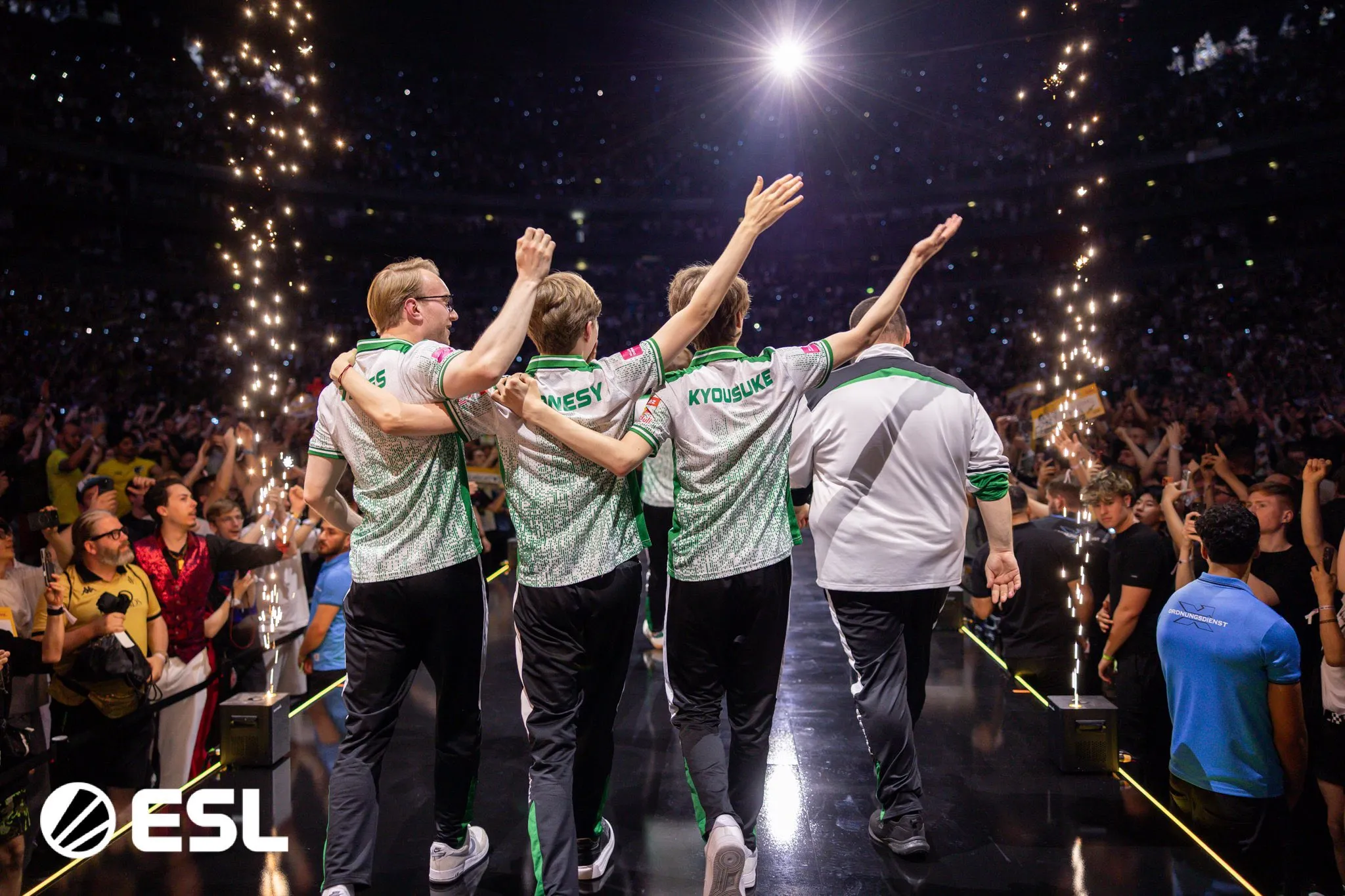
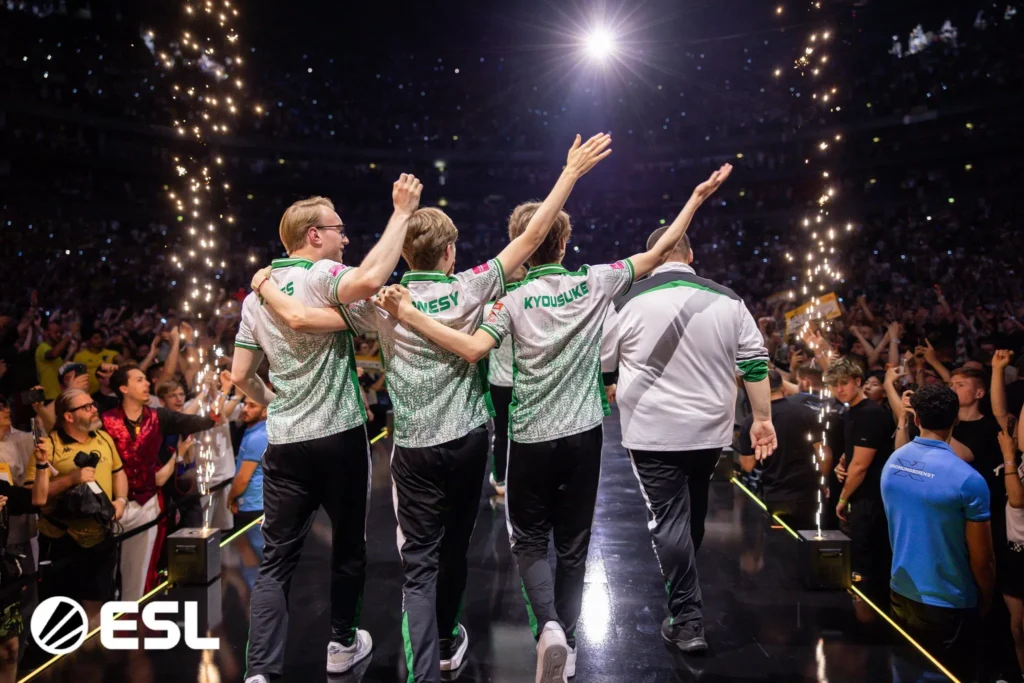
For one, the call to bring in karrigan over kyxsan appears to have come from the org itself — and you have to admit the gamble paid off. We were upbeat about that move from the start, arguing that Finn Andersen’s main job was to put a system in place. As everyone now knows, he didn’t just do that — he went well beyond it, steering Falcons to their first Major.

Now the kyousuke transfer looks like a stroke of genius all over again: Maxim is absolutely shining in the playoffs, doing exactly what was asked of him. NiKo, meanwhile, has finally been able to lock in on his individual game and rediscover his form, with karrigan now handling the strategy and the in-game calling. And most importantly, while the rest of the field is forced into roster shuffles, rethinking their setups and grinding hard through the off-season, Falcons get to keep moving to their own plan.

So that “panic” captain swap a month and a half before the Major didn’t just win them the title — it put them well ahead of their rivals on this front, too.

And right when the team finds itself in such a sweet spot — with no one to chase and no criticism or pressure to stew over — Valve hands them a gift in the form of this oh-so-convenient swap. What’s more, it’s no given that Falcons will simply ignore Cache and lean on their existing maps. Cache has always been seen as a skill map, the kind where a single individual play can swing the course of a round. And on Falcons’ roster, just about anyone can pull off a wow moment — which makes the map a perfect fit. They may well start playing all seven maps, gaining the edge of banning their opponent’s strongest map while opening up huge room to maneuver and tailor their approach to each rival.

The Bottom Line

Cache’s return isn’t just a cosmetic refresh of the map pool — it could mark the starting point for a new balance of power on the scene. For most of the top teams, the change is a step down: Vitality, G2, and FURIA lose one of their most comfortable maps and head into the off-season with clear homework to do. Falcons, on the other hand, get just about the perfect gift — they lose a map they were perma-banning anyway and gain one that plays right into their greatest strength: raw individual skill.

Does this mean the Falcons era has already arrived? Of course not — one Major and one lucky break with the map pool don’t make an era. Rivals will adapt, someone will land a successful roster move, and everyone still has to learn Cache almost from scratch. But the stars have aligned for Falcons about as well as they possibly could: they’re winning, they’re free of any pressure to keep pace, and on top of all that they’re getting a map built for their style.

The new map pool faces its first real test at BLAST Bounty on July 21 — the first tier-1 event with Cache in the rotation. That’s where we’ll find out whether Valve, wittingly or not, really has nudged us toward a Falcons era — or whether the competition will be quick to bring the drama right back.

Alex is an author and esports observer with more than seven years of experience. He specializes in analyzing new releases in the world of computer games, gaming services, and in-game economies. Alex shares practical experience and an expert perspective on the development of gaming, helping readers understand complex mechanics and stay up to date with the latest news.