CS2 Teams That Lost Their Greatness: NIP, fnatic, Astralis, Virtus.pro and Cloud9. Is NAVI Heading the Same Way?
Greatness in Counter-Strike never bows out gracefully. There’s no final match, no arena going dark, no crowd rising to its feet because everyone understands the era just ended. What you get instead is a transfer in the summer, another one in the winter, a new coach, a switch of comms language, a couple of seasons without a playoff run. Then one day you open a bracket, spot a logo you’ve loved for years, see five names underneath it you’ve never heard of, and realize the last time you actually cheered for that tag was back in CS:GO. The distance between “best in the world” and “didn’t make it out of the closed qualifier” isn’t a catastrophe. It’s a few years of decisions that all looked reasonable at the time.
The latest VRS table is what brought this to mind. NAVI recently turned up 13th, the lowest they have ever been, a month after sitting in fourth. There’s barely anything fresh in their LAN wins component either: some of the results still propping them up date back to May, and from here they only decay further.
A genuine collapse is still a long way off. NAVI are top 15, they get their tier-one invites, nobody is panicking. But every team now grinding through qualifiers or sitting out the game entirely started with exactly this kind of slide. So we pulled together the stories of five organizations that were the face of Counter-Strike in their day and lost everything they had.
Ninjas in Pyjamas
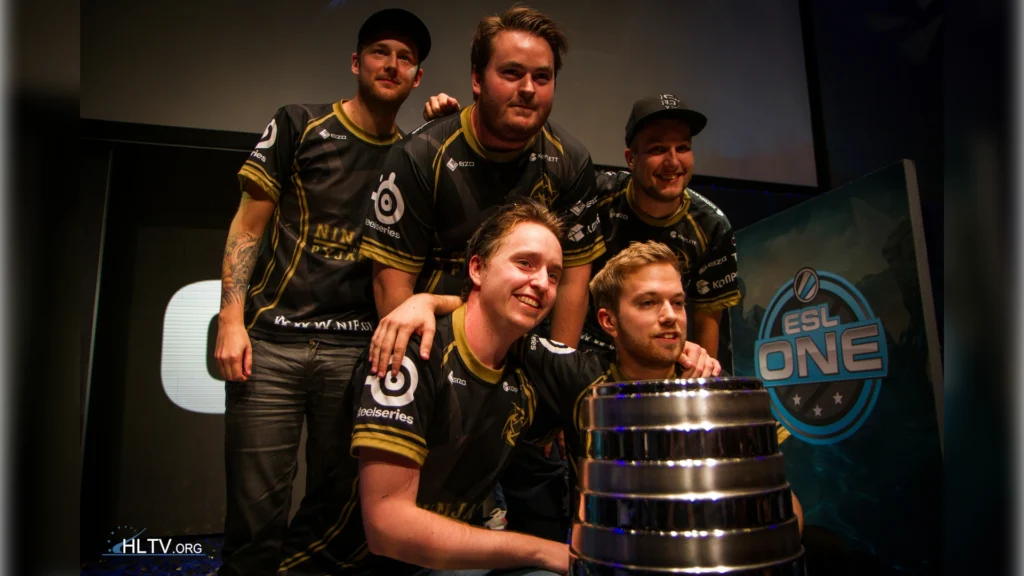
One number explains what NIP were in the early days of CS:GO: 87 straight map wins on LAN between September 2012 and April 2013. The record still stands, and it almost certainly always will. Xizt, f0rest, GeT_RiGhT, friberg and Fifflaren weren’t just beating teams; opponents walked onto the server already beaten. Those three letters in the bracket worked as a weapon of their own, and half the series were decided before the knife round, somewhere inside the other five guys’ heads.
The one thing that lineup lacked for a long time was a Major. Three lost finals in a row turned into a storyline of its own that dragged on for nearly two years, until the Swedes finally lifted the trophy at ESL One Cologne 2014. It felt like the start of a dynasty.
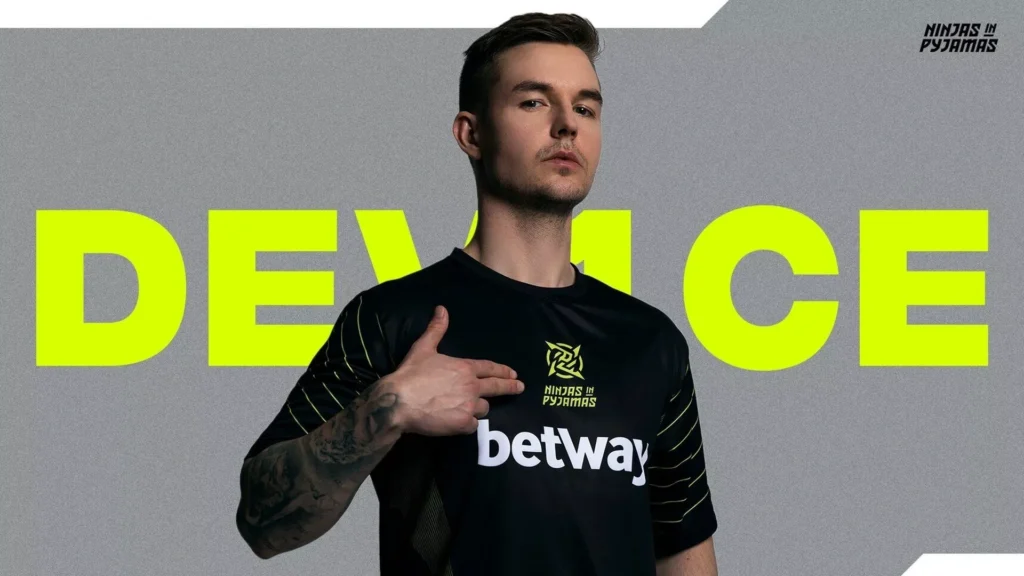
What followed was the opposite. Fifflaren left first, then the rest went one by one, and by 2019 nobody from the golden five remained. The big swing at a comeback was signing device in 2021: the org spent a fortune on one of the best AWPers on the planet and got a headline out of it. He never found his level in the jersey, went inactive for personal reasons and eventually returned to Astralis. From that point on NIP became a team that rebuilds its roster faster than fans can learn the new names.
Today that means 26th in the HLTV ranking and 36th in the VRS. The highlights are a quarter-final at PGL Astana 2025 and a tier-two LAN title at Stake Ranked Episode 2 in Barcelona. For a solid mid-table side, that’s a perfectly fine return. For a tag that once simply did not lose, it’s a death sentence.
fnatic
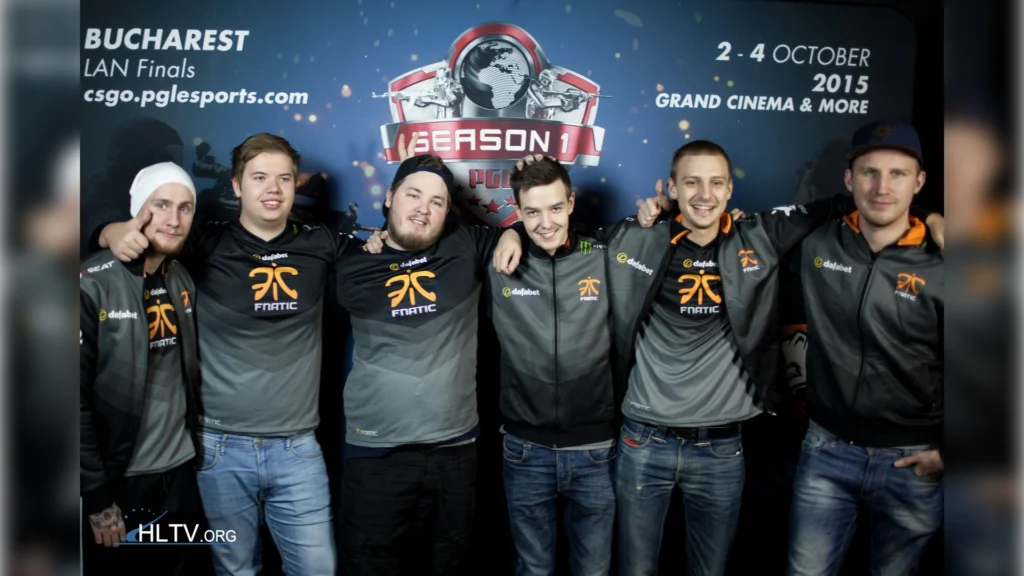
If NIP were the wall, fnatic were the battering ram that went through it. They’re the only team to take three Majors in the early CS:GO years: DreamHack Winter 2013, ESL One Katowice 2015 and ESL One Cologne 2015. Sweden had the scene in a chokehold back then, and that rivalry still gets brought up more often than half the grand finals played this decade.
The personality of that roster deserves its own paragraph. flusha spent years under cheating accusations, with the community picking his demos apart frame by frame and writing dissertations on forums, and he kept winning tournaments and giving interviews with a completely straight face. JW turned arrogance into an art form, and between the AWP work and the endless knife kills he had opponents tilted before the first frag of the match. That team wasn’t just respected, it was hated, which in esports is the far more reliable compliment.
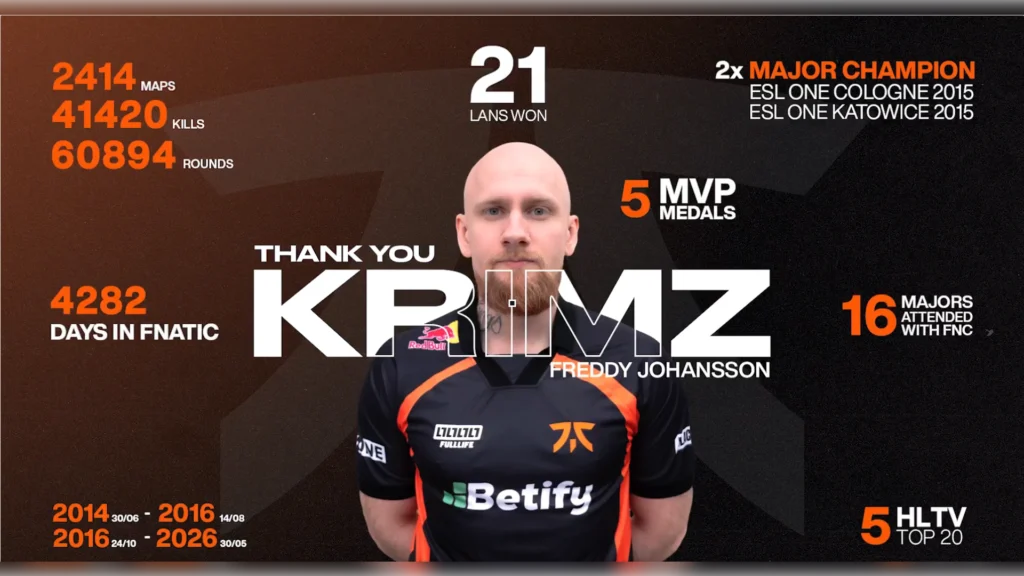
Once JW, flusha and KRIMZ went their separate ways, a long stretch of trial and error began. fnatic cycled through Swedes, then international options, then Swedes again, signed blameF, bet on young talent. None of it turned into results. blameF left for BIG over the winter, and in June 2026 KRIMZ walked out too, taking the last thread back to that era with him.
The black and orange now belongs to an all-Ukrainian roster: fear, jambo, jackasmo, cairne and mazay. They dragged the team off a historic low around 100th in the spring and show up in CCT and ESL Challenger League playoffs from time to time. None of it has anything to do with the Swedish legacy anymore. It’s just a tag on a jersey.
Astralis
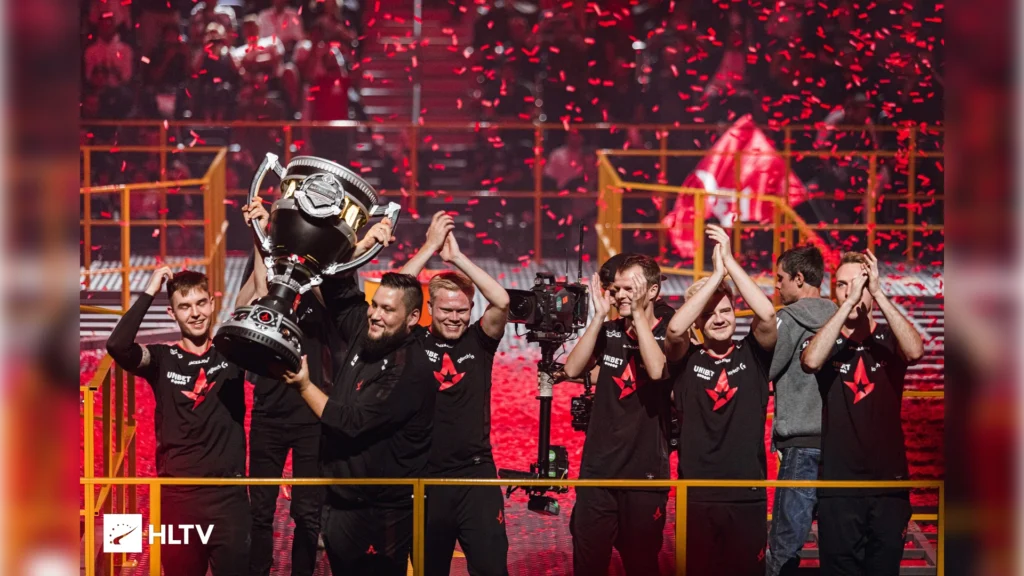
The greatest team the game has ever seen, and there’s nothing to argue about here. Four Majors, three of them back to back, the first Grand Slam in history. device, dupreeh, Xyp9x, gla1ve and Magisk played a version of Counter-Strike the rest of the scene simply hadn’t grown into yet, and their setups and utility were still being studied frame by frame years after the era was over.
That era ended at the turn of 2021 and 2022. device made a shock move to NIP at the end of April, a transfer nobody believed until it was announced. The rest held things together for a while, but in the fall the org benched dupreeh, Magisk and zonic all at once to make room for k0nfig and blameF, then released all three in late December. On January 5, 2022 they were unveiled at Vitality, where they built a superteam alongside ZywOo and apEX and won another Major. Astralis-brand Counter-Strike had simply relocated to France, with a French accent on top.
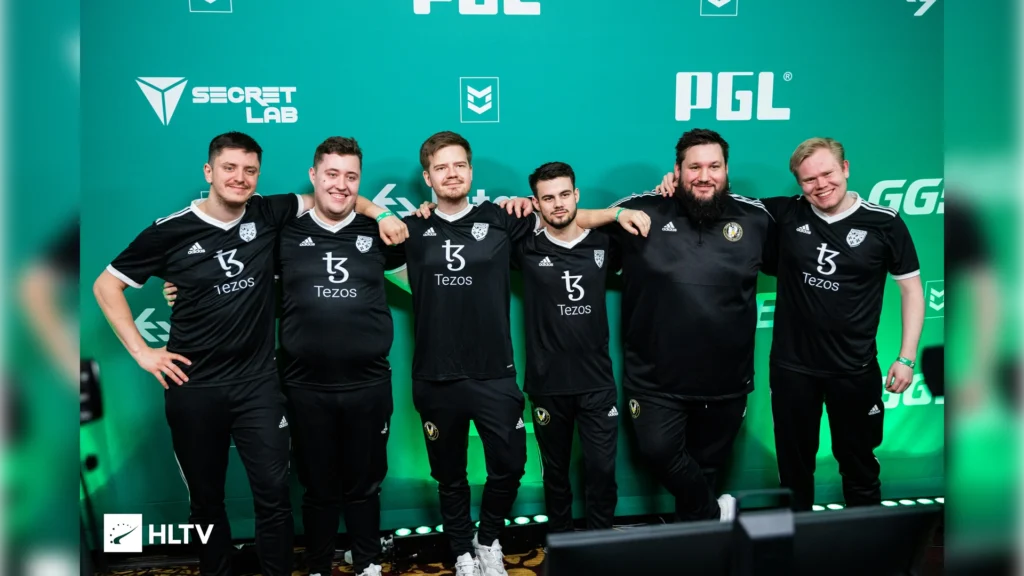
After that came a period where a completely different team wore the badge, one with no real connection to the legacy. The org kept reaching back toward its roots: device returned in late 2022, Magisk in September 2025, but the lineup around them couldn’t get past the playoff stage for years and missed several Majors along the way. The finances surfaced in the spring of 2025 as well, when Astralis went looking for a buyer and their accounts revealed serious trouble covering salaries.
Both of them left for the second time on December 28, 2025, and that exit closed something bigger than an era. It ended the Danish identity itself. In January, Astralis signed foreign players for the first time in club history, Swedish AWPer phzy and Lithuanian rifler ryu, and switched comms to English. The coach changed over the summer too, with NEO replacing ruggah.
Of everyone in this piece, Astralis have held up the best: 16th in the ranking, with the occasional breakthrough in the form of a grand final or a tier-one playoff run. But they went home from the Major in Cologne after losses to TYLOO and paiN, and nobody seriously brings them up in conversations about trophy contenders.
Virtus.pro
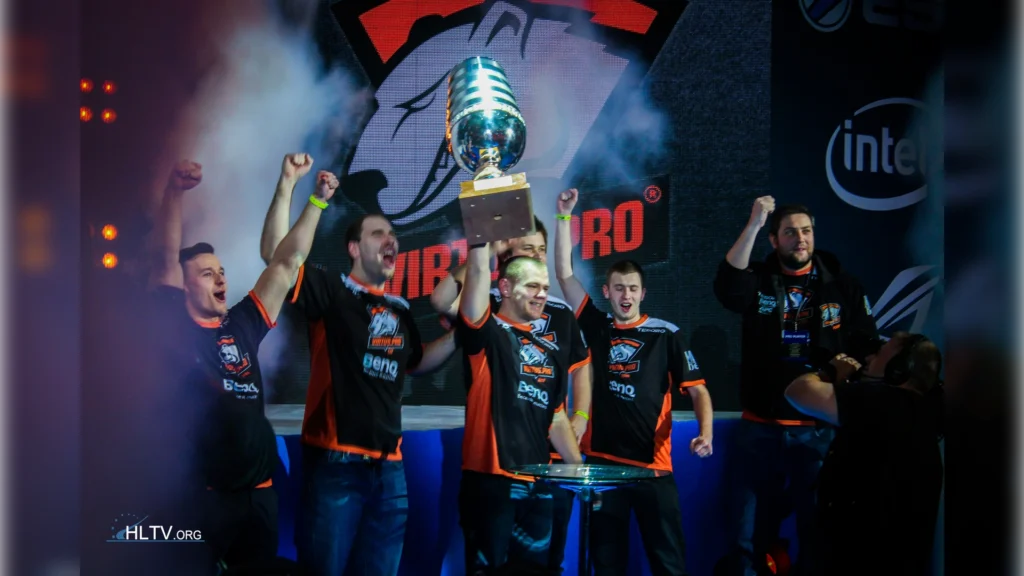
The Polish five operated by their own laws, and no analyst could ever make sense of them. TaZ, NEO, pashaBiceps, Snax and byali could play three straight events like they hadn’t bothered showing up, then sweep the fourth, reigning champions included. They won the Major in Katowice, pulled off comebacks their own fans refused to believe in, and did all of it with the air of guys who couldn’t care less. No modern team does that, and none of them are about to learn.
The org’s second run at greatness was built by Jame. A Major in Rio, the top spot in the world ranking at the end of 2022, all of it with the least modern Counter-Strike imaginable: slow, suffocating, and every bit as infuriating to play against as those Polish comebacks a decade earlier.
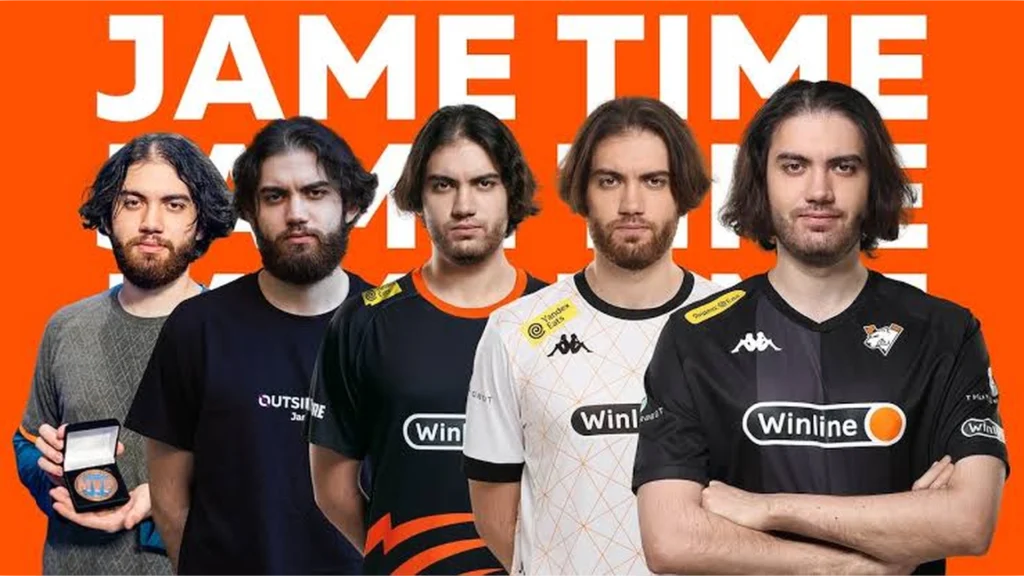
It ended in December 2024, when the org benched Jame after the disaster at the Shanghai Major. What followed is best summed up as churn. electroNic, Perfecto, FL4MUS, loans in both directions, two coaching changes, players shuffled endlessly between the active roster and the bench. Every single move looked flat-out unreasonable on its own, and together they dropped the tag to around 140th in May 2026, the worst position in its history.
Virtus.pro now field mir, b1st, AquaRS, tO0RO and F0R3VER, and the conversation isn’t about tier one anymore. It’s about clawing back into respectable tier two. Jame, meanwhile, put PARIVISION together, dragged them up the rankings and proved the problem was never him.
Cloud9
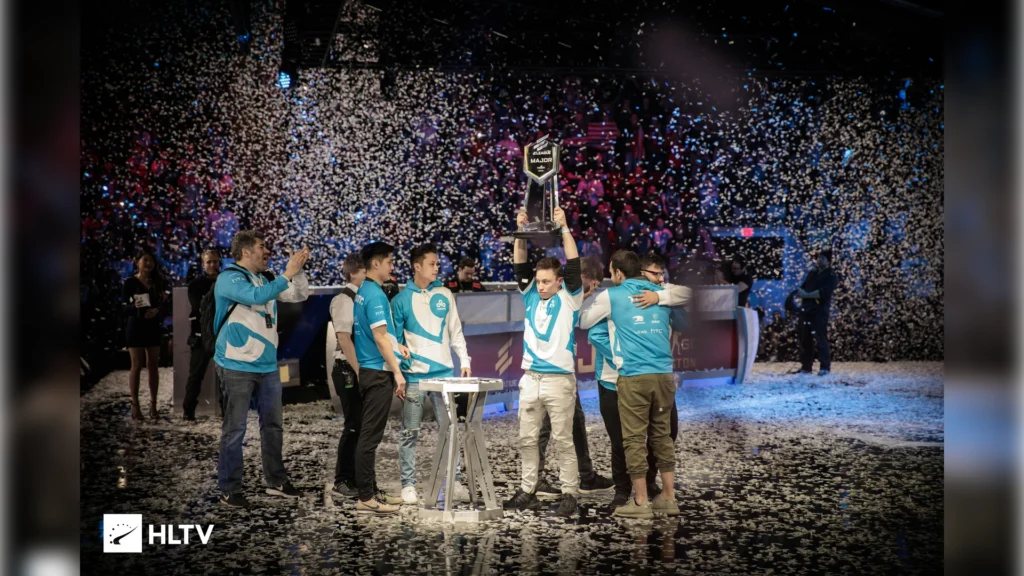
The only name on this list with no Counter-Strike presence at all today.
In January 2018, Stewie2K, Skadoodle, autimatic, RUSH and tarik did what North America had been waiting for since the game began: they won a Major. The Boston final against FaZe is still remembered as one of the best and most dramatic series ever played. American CS boomed afterward, and the scene is still full of players who picked up the game because of that run.
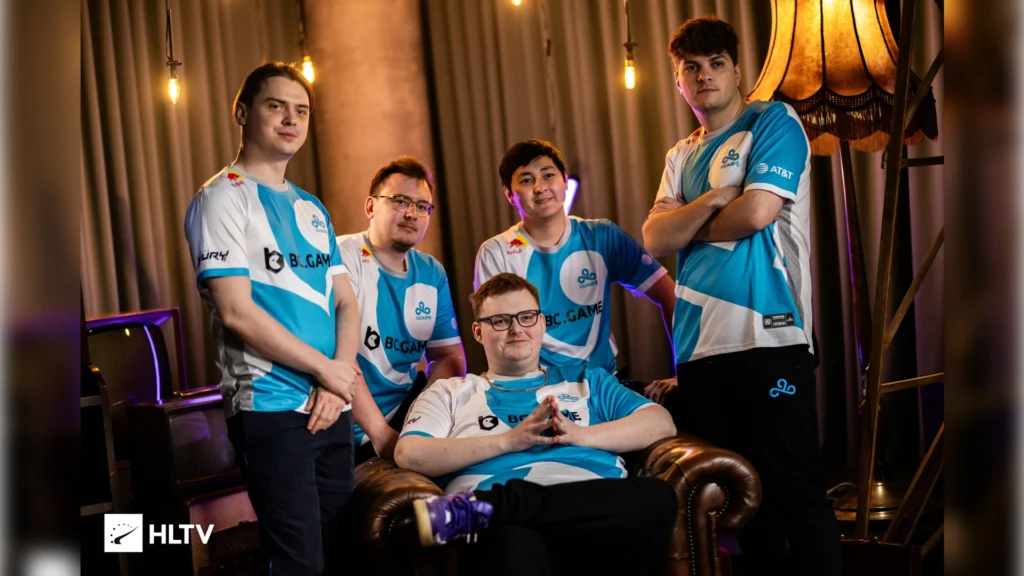
Then the org started experimenting. There was the international project with a budget everyone wrote about and results nobody did. In April 2022, Cloud9 bought the Gambit roster, Ax1Le, sh1ro, interz, HObbit and nafany, and on paper owned one of the strongest teams in the world. The first season delivered: IEM Dallas 2022, a spot in the fight at the top. Then came the splashy signings of electroNic, Perfecto and Boombl4, except by then sh1ro was gone, the lineup started losing its form and the org started losing interest.
In January 2025, Cloud9 released everyone left on the books, and in February they officially announced a break from Counter-Strike. The break has now lasted a year and a half. Return rumors surface on a regular basis and get fans’ hearts racing every time, but so far that’s all they are.
So Where Does That Leave Us
None of these organizations forgot how to build teams. Most of them run entire esports empires today, with healthy rosters in other titles, trophies, an audience and sponsors. At some point they simply stopped valuing what they’d built, because chasing results is always easier with five ready-made players than with five you spend years developing into somebody worth remembering. NIP couldn’t hold on to the golden five, fnatic to the Swedish core, Astralis to the Danish identity, Virtus.pro to their own captain, Cloud9 to their players’ interest.
The good news is that Counter-Strike has a habit of paying its debts. Plenty of players are doing far better now than the tags they represented for years: sh1ro left Cloud9 and lifted a Major eighteen months later, and Jame built a team after his benching that now beats the sides Virtus.pro lose to in qualifiers.
The argument around all this never really settles. One camp says the industry moves too fast and legacy alone gets you nowhere. The other says orgs owe their players, who made those names worth something in the first place. The truth sits somewhere in the middle, as usual. But let’s not pretend otherwise: we still miss these tags, and we’d much rather be reminded of their greatness on the server than in articles like this one.

Alex
Alex is an author and esports observer with more than seven years of experience. He specializes in analyzing new releases in the world of computer games, gaming services, and in-game economies. Alex shares practical experience and an expert perspective on the development of gaming, helping readers understand complex mechanics and stay up to date with the latest news.

