s1mple is heading back to the Major! Valve make an exception for BC.Game: “Did you really think otherwise?”
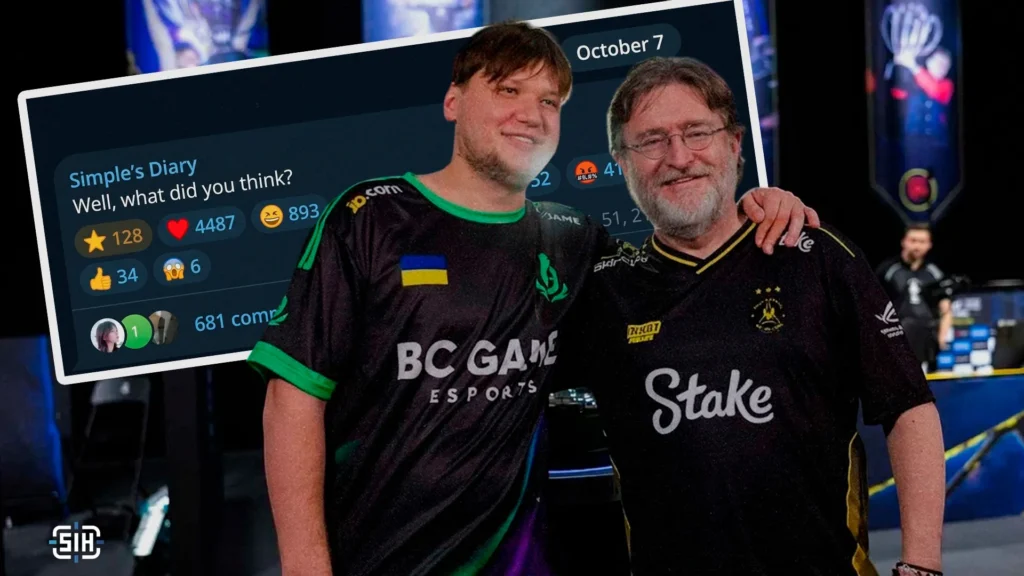
It took Valve less than a day to change their mind. On October 6, a new region-switching rule in the VRS knocked BC.Game out of the Asian race for PGL Major Singapore 2026. By the evening of October 7, a one-line entry had appeared on the exceptions list on GitHub: the asap, Magisk, mzinho, s1mple and Senzu roster is assigned to Asia and eligible for a Major invite.
Yesterday we argued that BC.Game’s story wasn’t over yet and that their case might be treated differently from the Sashi and WW moves. That’s exactly how it played out. You can catch up on how it all started in our previous piece. Here, we break down how BC.Game earned their exception, why the scene is split all over again, and what this decision really means for the team.
How we got here
A quick recap. On September 22, BC.Game benched electroNic and signed Australian asap. Alongside Mongolians Senzu and mzinho, that gave them three players from the Asia-Pacific region, and the team automatically moved from the European VRS, where they sat 36th, to the Asian one, landing straight in the invite places.
After Danish side Sashi took the same route on October 5, Valve added a three-month “probation period” to the rules: a roster can’t receive a Regional Assignment if it appeared on another region’s VRS list in the preceding three calendar months. Three teams were caught in the crossfire: BC.Game, Sashi and WW. The only way out was a caveat saying affected teams could reach out to Valve and “find a solution.”
BC.Game jumped on that caveat right away. In a lengthy post, TaZ admitted he couldn’t accept a rule introduced in the middle of a qualification cycle, promised an appeal, and stressed that Senzu and mzinho were signed as huge talents, not as a ticket to Asia. He was also upfront that Major qualification was one of the factors behind the roster decision.
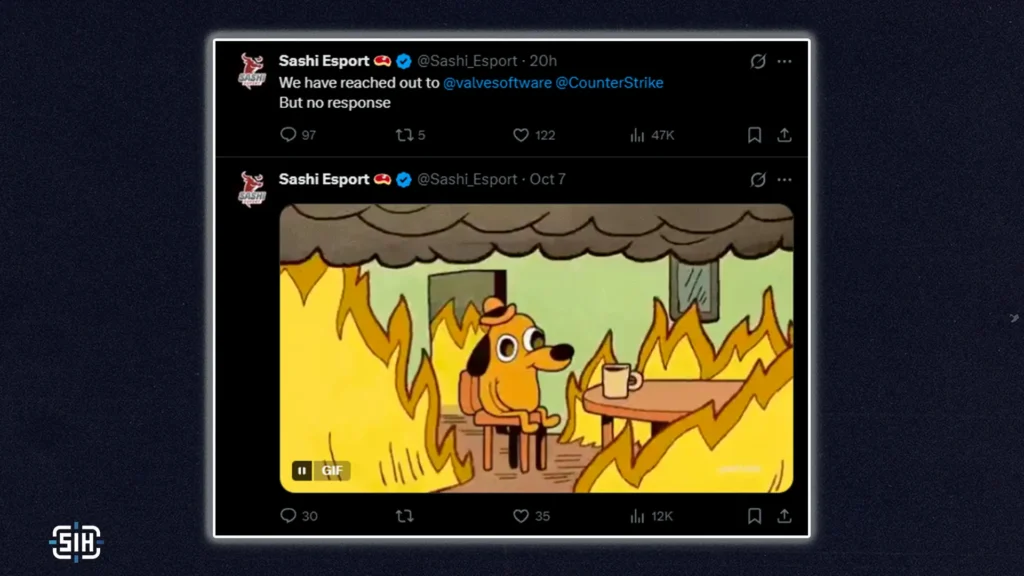
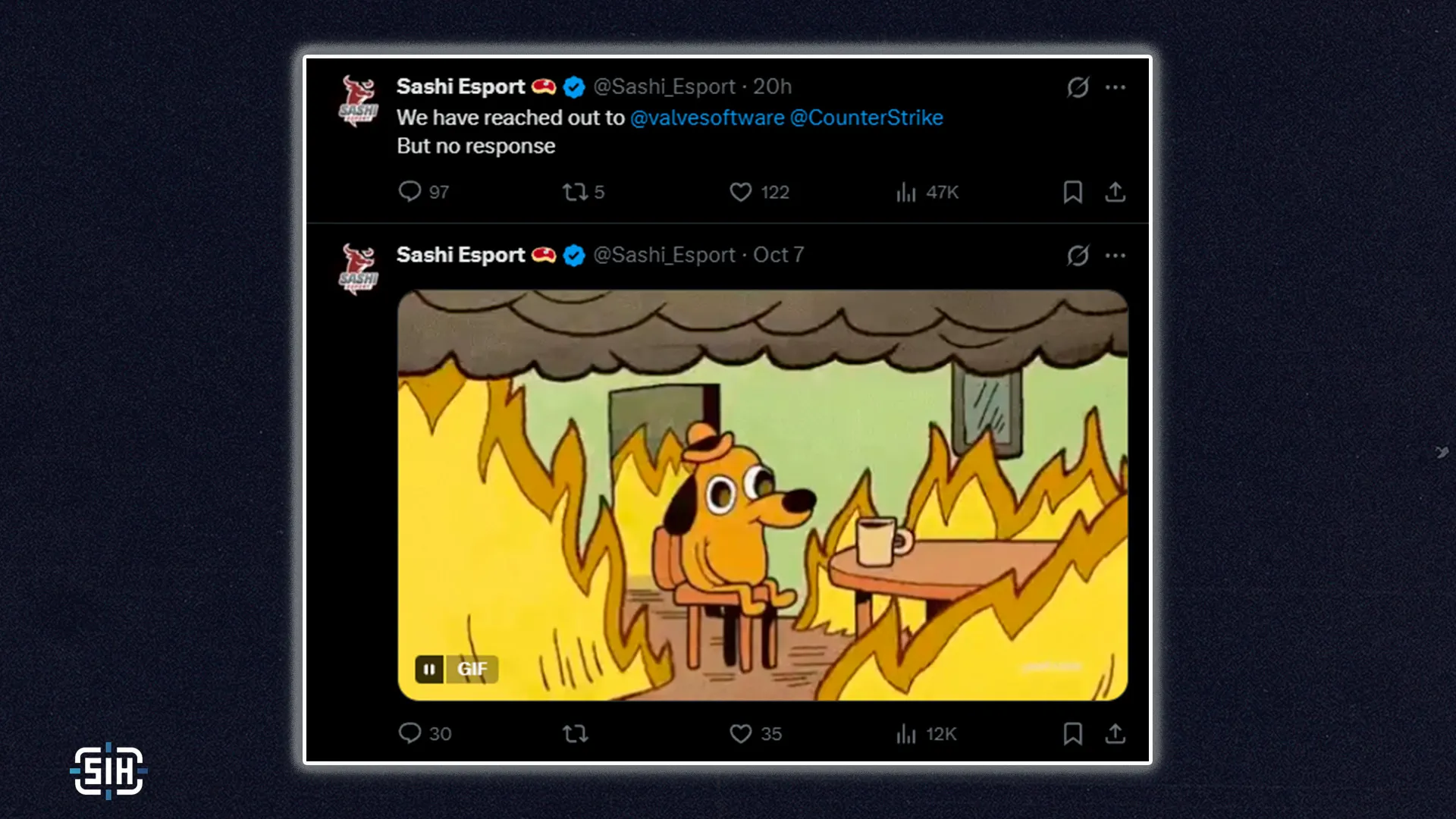
They weren’t the only ones to get in touch with Valve. According to Sashi, the organization reached out too, but was met with silence. Whether any behind-the-scenes talks happened in the end, we don’t know. The outcome is the same either way: only BC.Game got the green light.
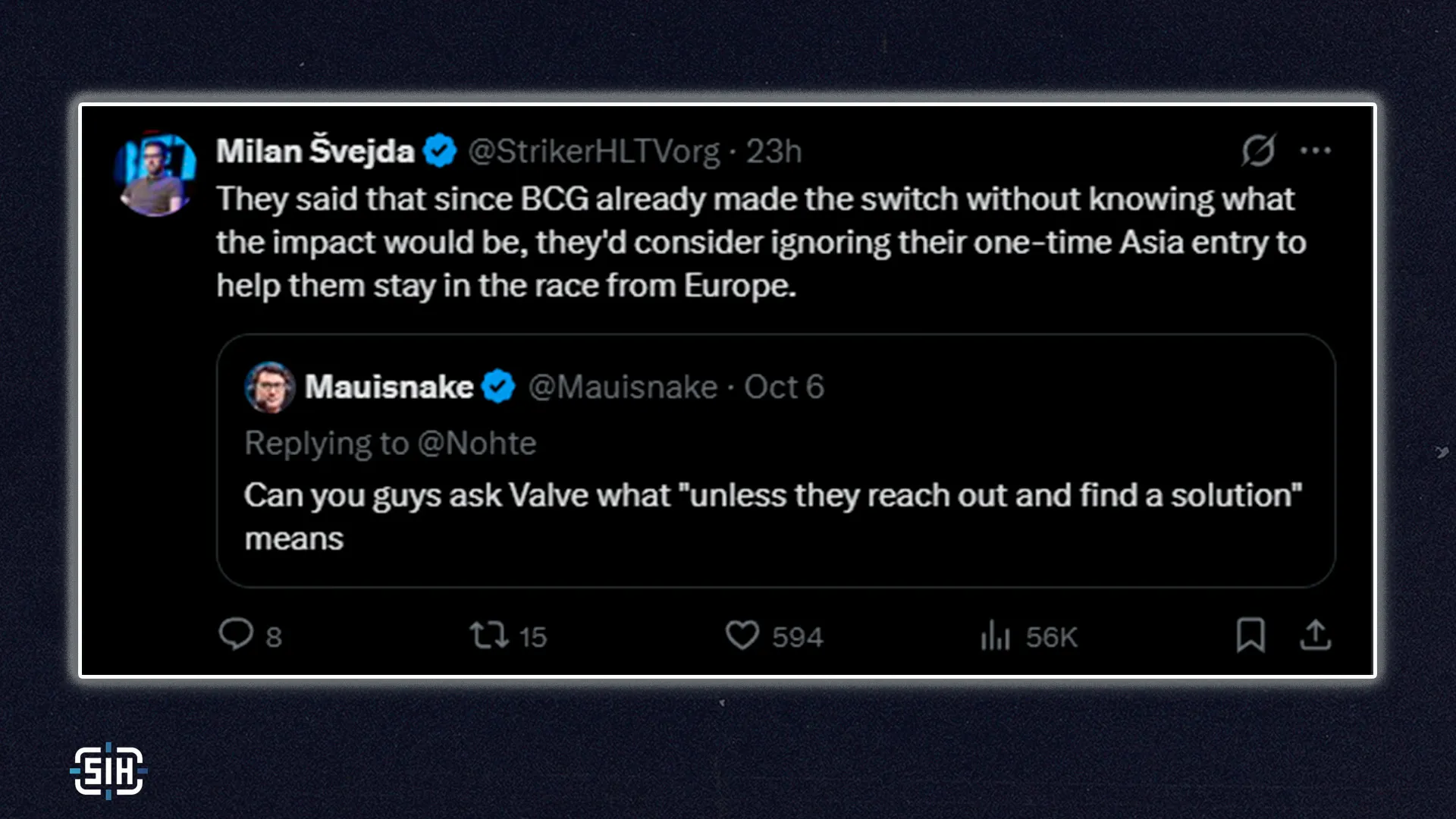
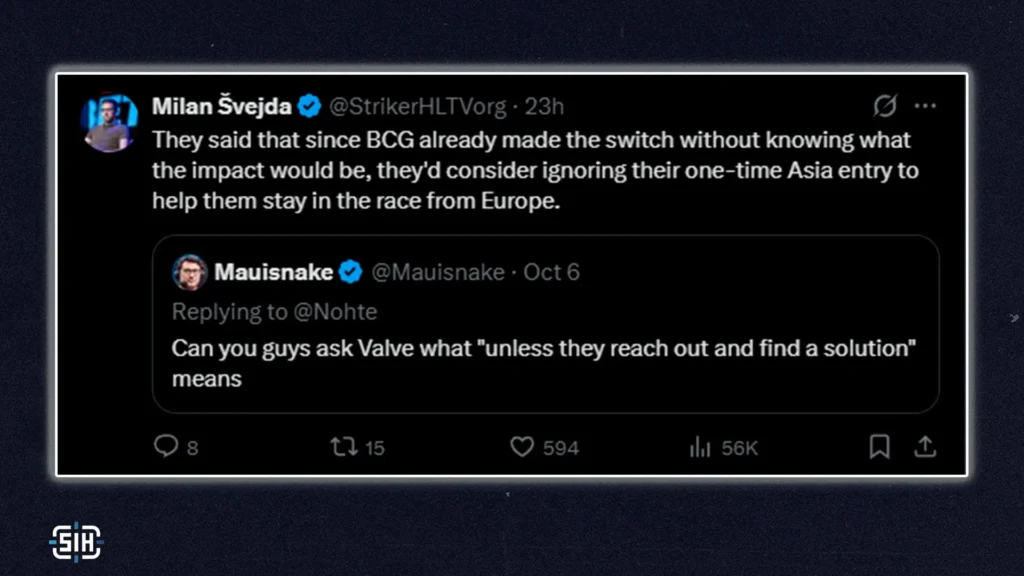
Valve’s first response looked modest for BC.Game. According to HLTV journalist Striker, Valve were willing to overlook the team’s one-off entry into the Asian standings, but only so they could keep chasing a spot through Europe. In practice, that was a polite no.
"0 points. 5 players. 3 weeks."
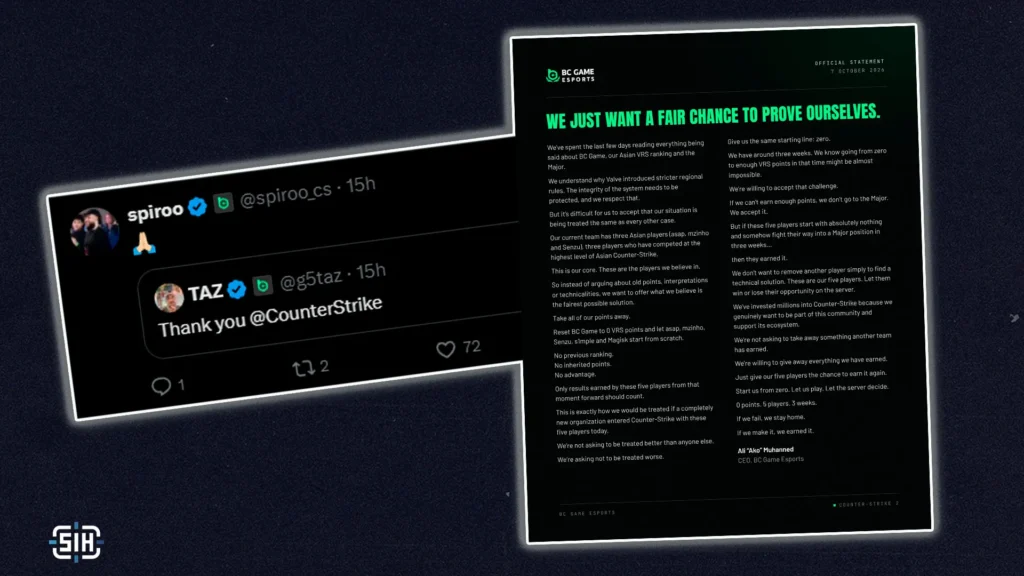
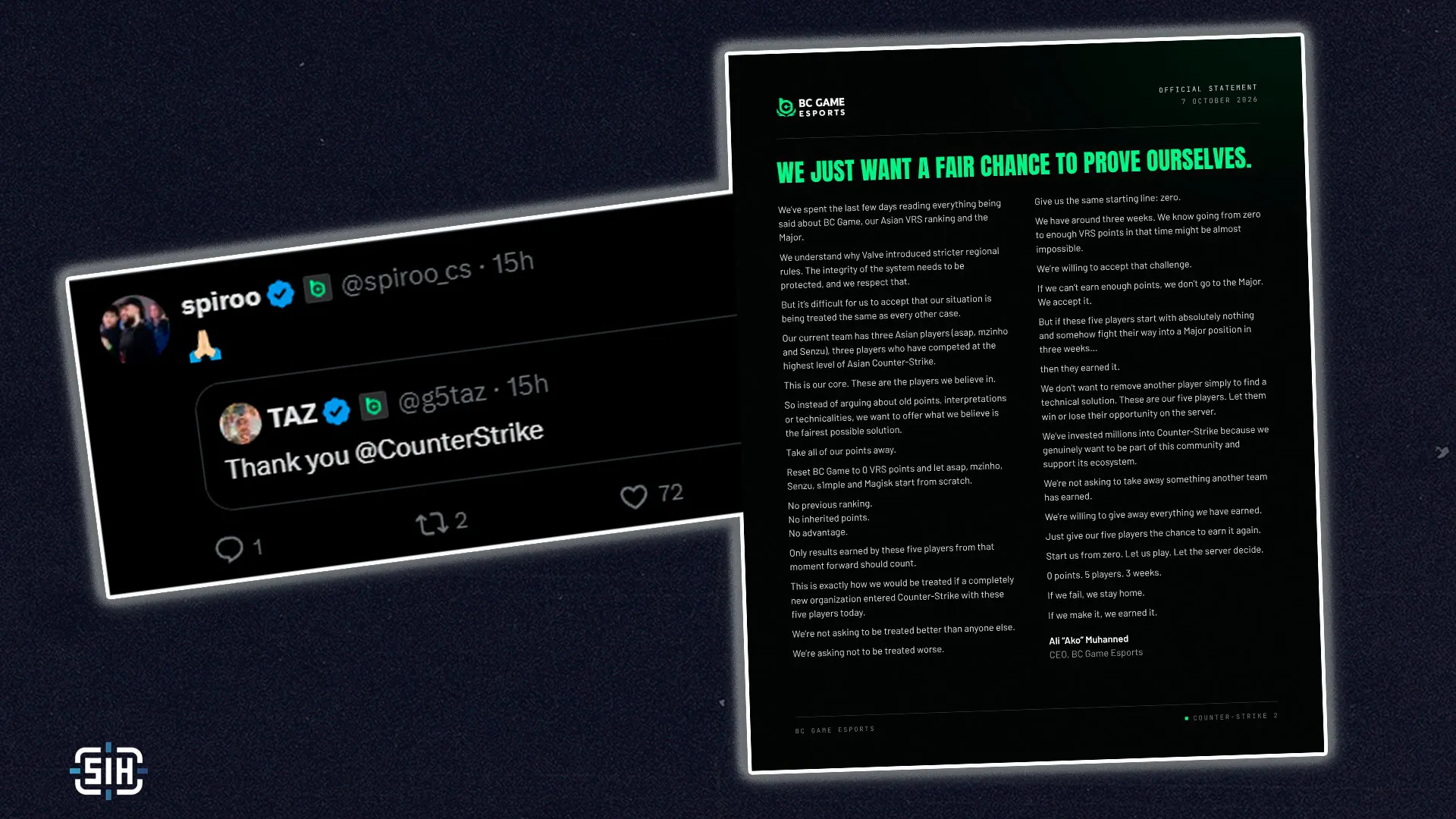
BC.Game then released an official statement with the kind of offer many had been expecting. Rather than argue over interpretations, the organization asked to have its points wiped:
“Take away all our points. Reset BCG to zero and let asap, mzinho, Senzu, s1mple and Magisk start from scratch. No prior ranking. No inherited points. No advantages.”
The logic was simple: this is exactly how they’d be treated if a brand-new organization showed up in Counter-Strike today with these five players. Earning enough VRS points from zero in three weeks is close to impossible, and BC.Game knew it, but they were willing to take the risk:
“We’re not asking to be treated better than anyone else. We’re asking not to be treated worse. If we can’t earn enough points, we won’t go to the Major. We accept that. But if these five players start from zero and somehow fight their way into the Major in three weeks, then they’ve earned it.”
The organization also made a point of saying it didn’t want to swap out a player just to find a technical fix, and had no intention of taking away what another team had earned. The statement closed on something close to a slogan: “0 points. 5 players. 3 weeks. If we fail, we stay home.”
"We're back"
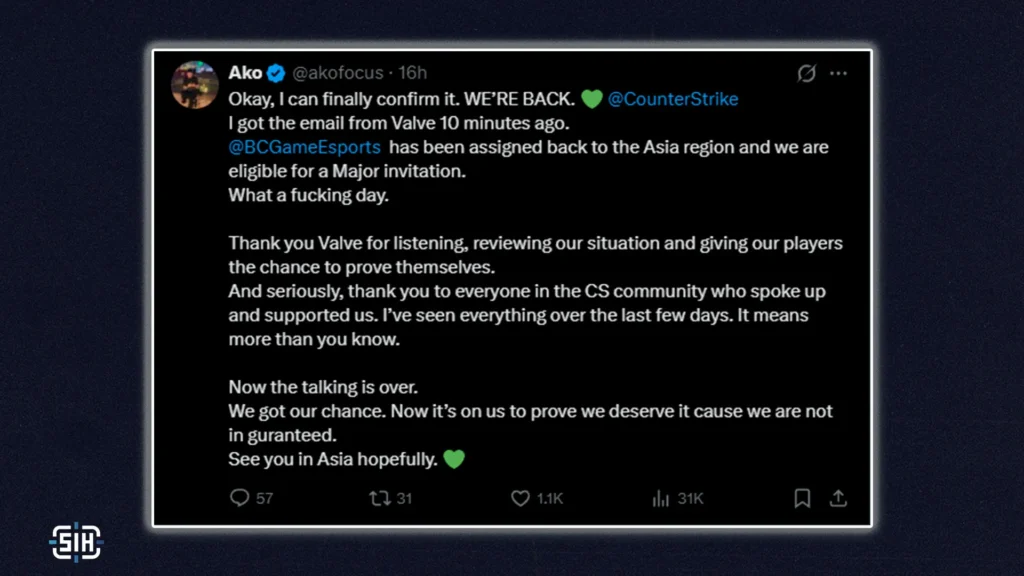
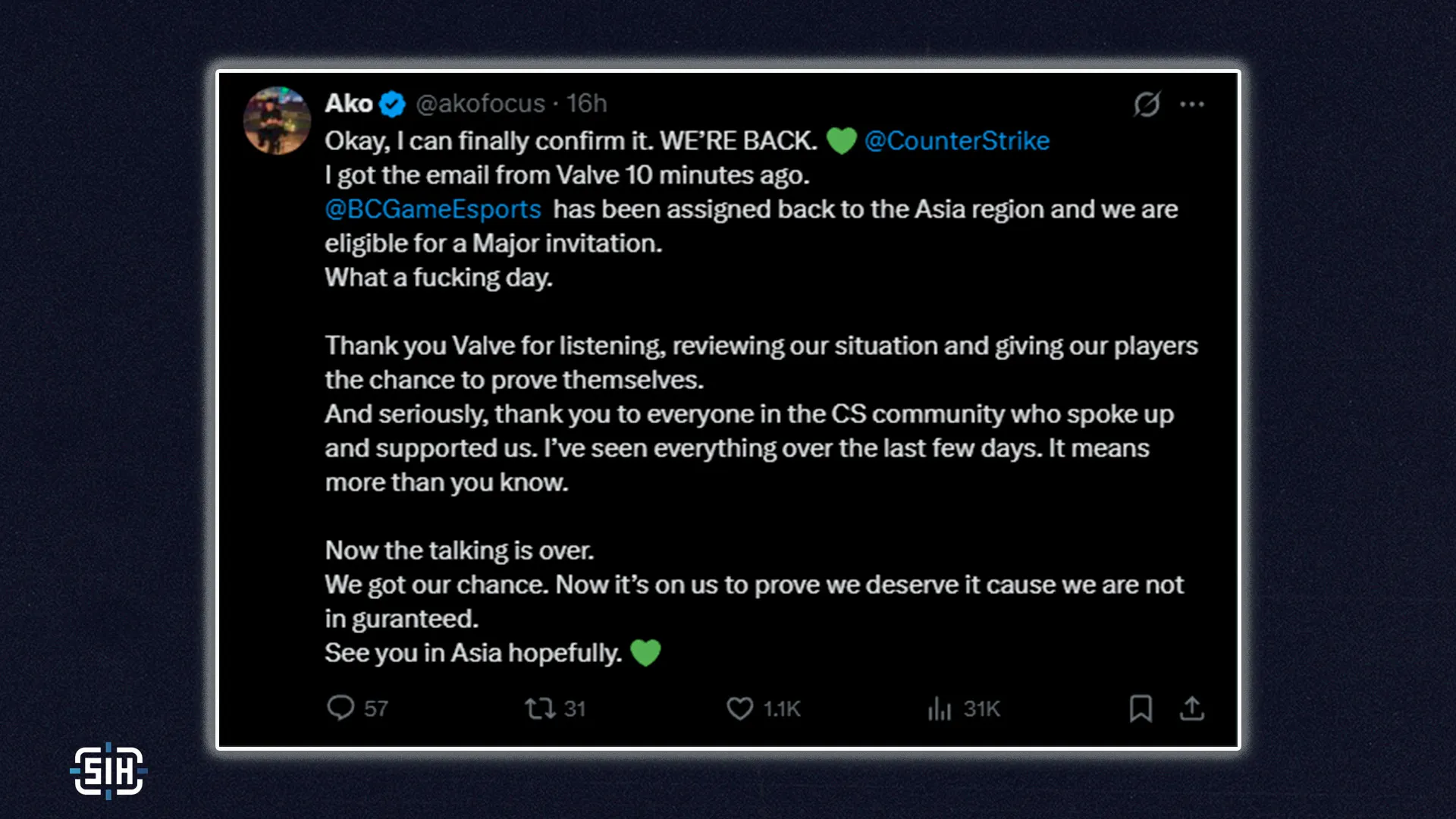
The answer came that same evening. BC.Game CEO Ako announced on X that he had received an email from Valve:
“So I can finally confirm it. WE’RE BACK. We’ve been moved back to the Asia region and we’re eligible for a Major invite. Thank you to Valve for hearing us out and giving our players a chance to prove themselves. Now the talking is over. We got our chance, and now we have to prove we deserve it, because it’s not guaranteed.”
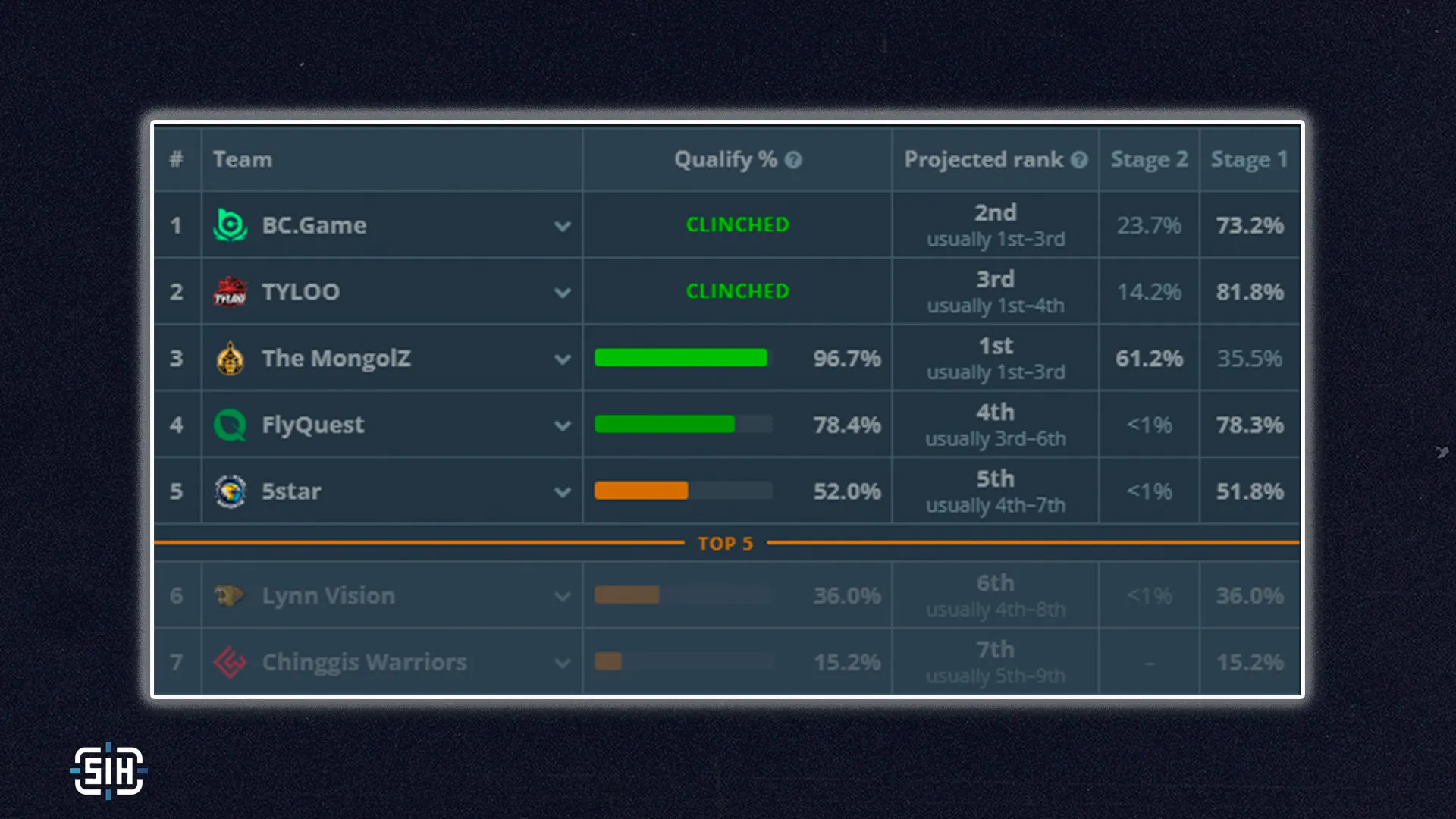
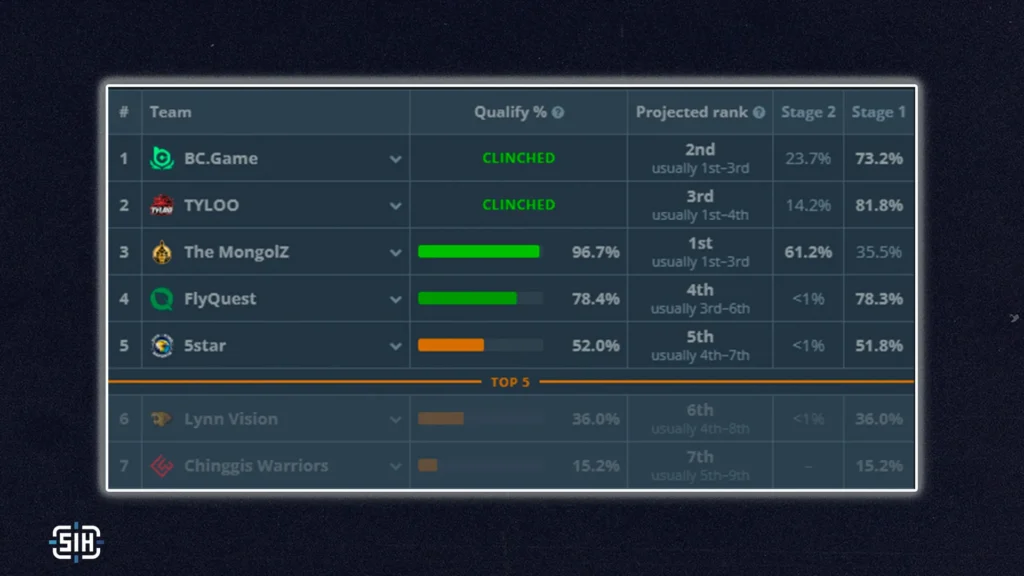
One key detail: Valve went further than BC.Game themselves had asked. Nobody reset their points, so the team kept its full ranking and the position the switch had earned them. BC.Game currently top the Asian VRS, and HLTV’s simulator already has their invite marked as clinched. Technically, they still need to stay in the top five in the final November 2 rankings, but from first place that’s little more than a formality.
Sashi and WW still fall under the three-month rule, and Valve’s entry offers no explanation whatsoever. Nobody knows what it actually takes to get the rule set aside.
Reactions: split down the middle again
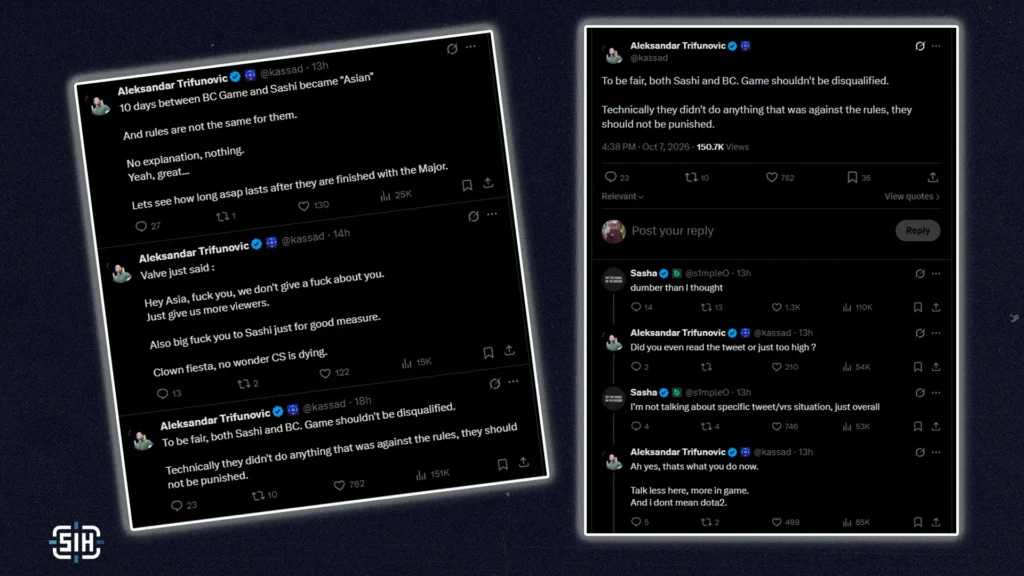
If news of the rule divided the community, the exception divided it all over again, and along almost exactly the same lines.
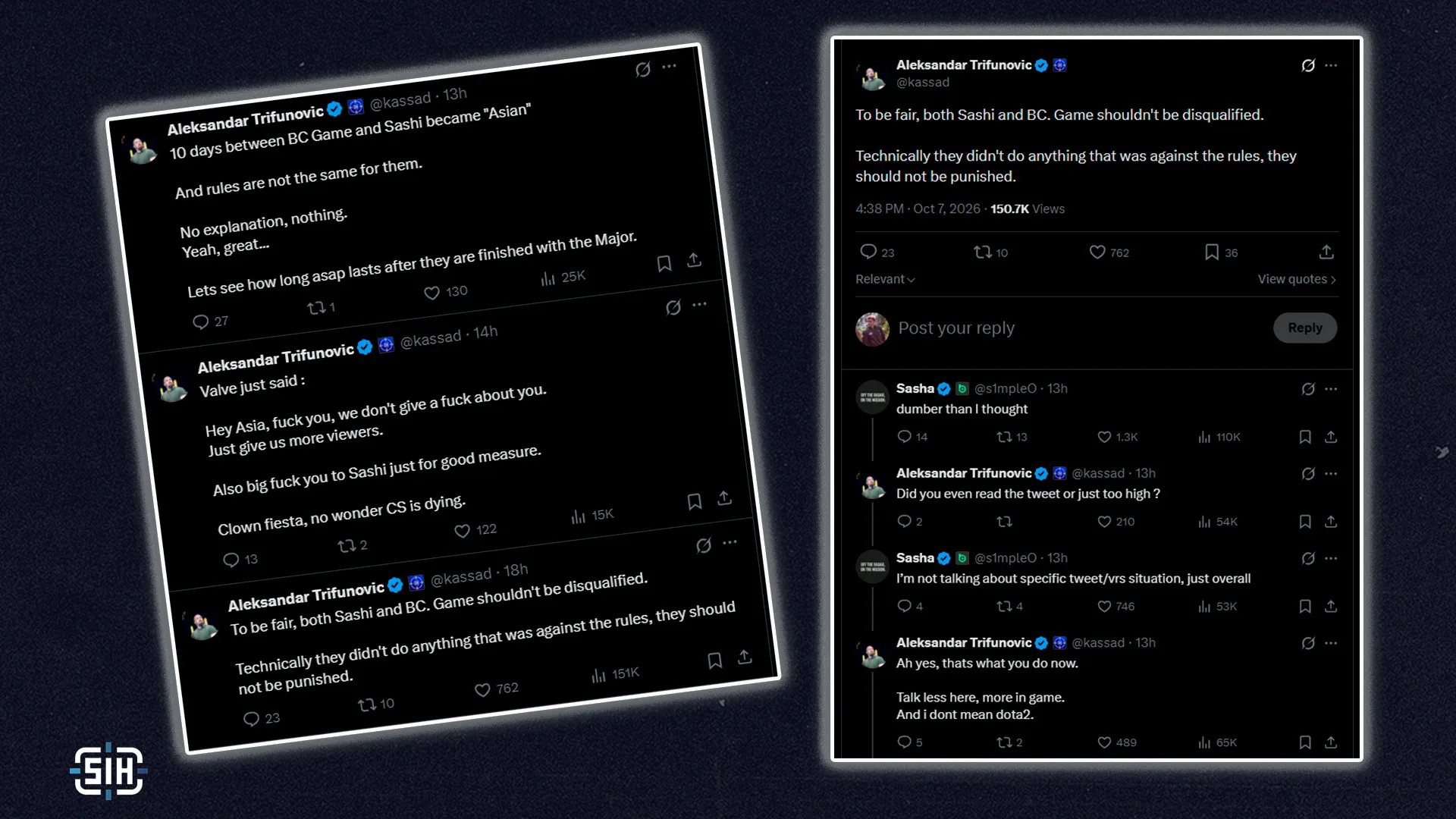
Critics are convinced Valve backed down under pressure from big names. The harshest voices are calling it a “bought” Major spot, while others see a dangerous precedent: a rule meant to restore order didn’t even last a day. The loudest story of the day came from kassad. He slammed the decision to clear only one team in a whole series of posts. First, he argued that neither Sashi nor BC.Game should have been disqualified, since technically they hadn’t broken any rules. Then he offered his own translation of Valve’s decision: “Hey Asia, f*** you, we don’t give a f*** about you. Just give us more viewers. Also big f*** you to Sashi just for good measure.” He called the whole thing a clown fiesta and added that it’s no wonder CS is dying. Another post followed: just ten days separated BC.Game and Sashi becoming “Asian,” yet the rules aren’t the same for them, with no explanation at all. kassad signed off with a pointed prediction: “Let’s see how long asap lasts after they’re finished with the Major.”
s1mple responded to the wave of criticism with a short reply under kassad’s post: “dumber than I thought.” He later clarified that he wasn’t talking about that specific tweet or the VRS situation, “just overall.”
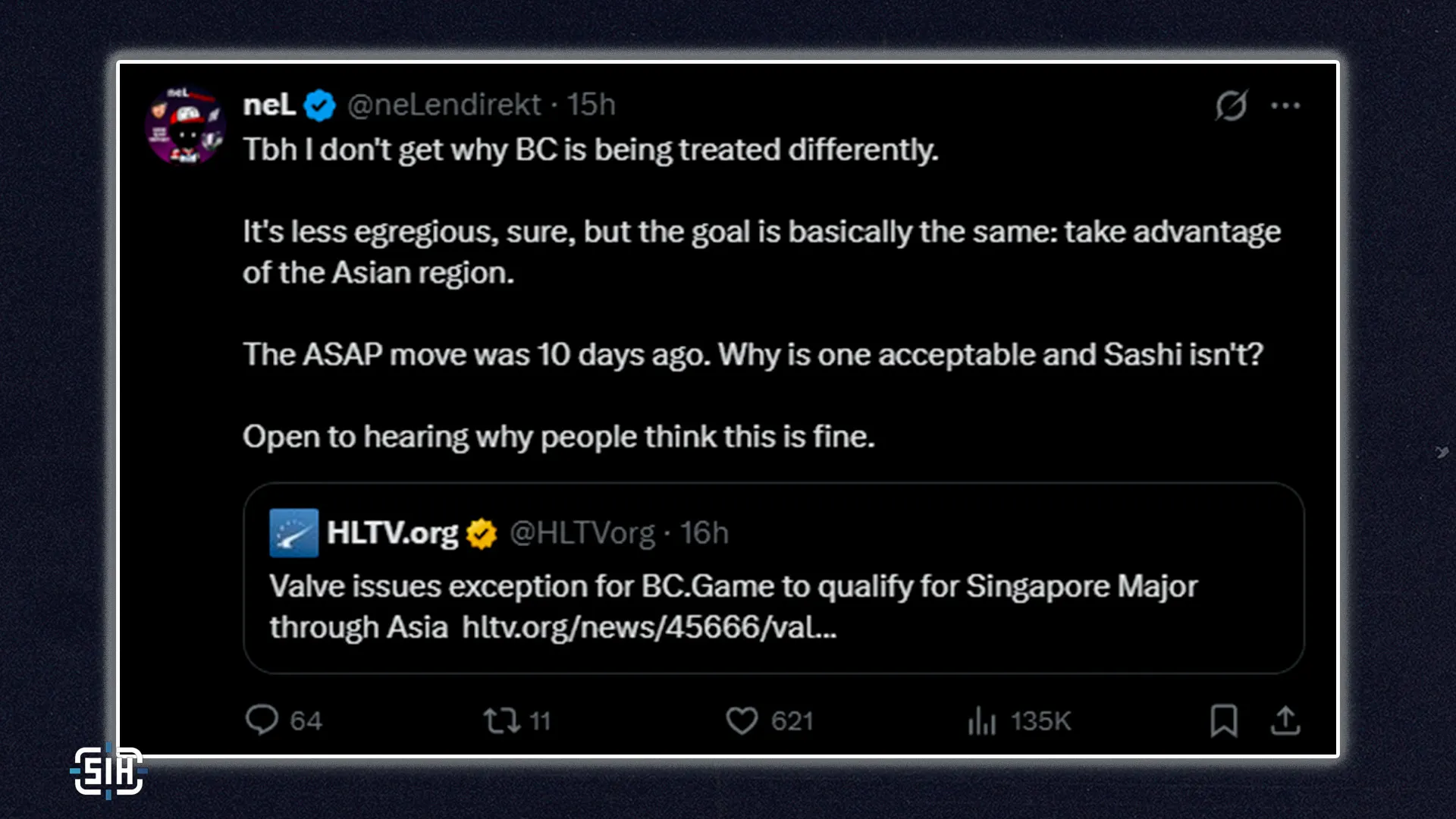
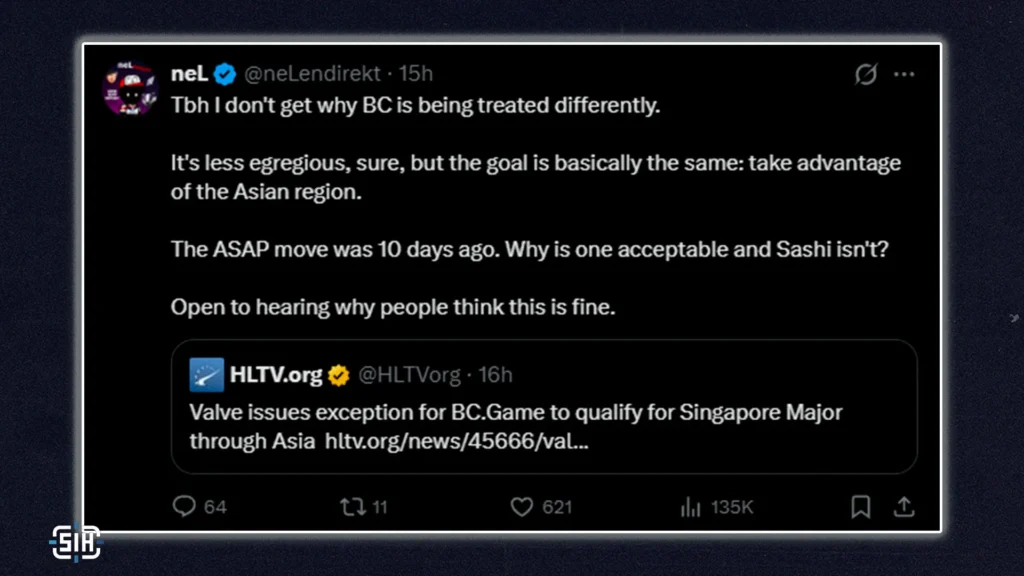
neL was calmer, but made essentially the same point:
“Tbh I don’t get why BC is being treated differently. It’s less egregious, sure, but the goal is basically the same: take advantage of the Asian region. The asap move was 10 days ago. Why is one acceptable and Sashi isn’t? Open to hearing why people think this is fine.”
Supporters of the decision see things differently. For them, the exception fixes the rule’s biggest flaw, its retroactive effect: the team acted strictly within the rules in place at the time, signed its players well in advance, and shouldn’t suffer because the rulebook was rewritten a month before invites go out. Plenty of fans are simply happy that s1mple will be back on the Major stage.
SIH's take
We called it
We said from the very start that BC.Game’s story wasn’t over, and this is exactly the outcome we expected. The team didn’t break a single rule, had long-term contracts with all of its Asian players, played the required number of matches and officially switched regions before Valve rewrote the rules. And let’s not forget the obvious: this is a genuinely hype roster that people will want to watch at the Major. First you work for your reputation, then your reputation works for you. That’s just how life goes.
Nobody is "killing Asia"
The “Asia is being killed” take simply doesn’t land with us. Asia has had plenty of chances to make its mark, and for most of its history the region has had at least one strong, competitive lineup: Renegades, FlyQuest, The MongolZ, TYLOO. But lately, the region has genuinely struggled to keep up, weighed down by funding issues and fading audience interest.
asap on the same team as s1mple and Magisk, with TaZ behind them, will draw far more eyes than yet another Australian stack that grabs one win, wrecks everyone’s Pick’Em and flies home with a proud “f*** your pick’ems.” So there’s no “killing” going on here. If anything, it’s the opposite: Asia has a shot at being in the spotlight again and inspiring a new generation to pick up CS.
Just look at what’s happening at tournaments in China right now. Organizers are bringing in NiKo, m0NESY, kyousuke and other global stars as special guests, and they draw crowds in the thousands. As sad as it sounds, that’s arguably the only tool left for keeping the region interested in the game.
Not a handout, but a burden
To anyone who sees Valve’s decision as a handout, we’d suggest looking at it from another angle: as a burden of responsibility that now sits squarely on BC.Game’s shoulders. Picture the guys arriving in Singapore and crashing out 1-3 in Stage 2, or even Stage 1. And they’re lucky that this year not even Asia’s top team goes straight into Stage 3, where a 0-3 exit would be even more likely. The hype will be there regardless, but so will the mockery: “And you took a slot from the grinders for this?”
BC.Game’s project genuinely isn’t an easy one, and we’ve compared them to Falcons before. People laughed at Falcons for a long time too, until the team became a consistent tier-one side, and nobody’s laughing now. BC.Game could well end up on a similar path: the Mongolians just need to adapt to communicating in English, and Magisk needs to settle into the in-game leader role. But this roster’s ceiling (and, obviously, the demand for it) is far higher than anything else the region has to offer.
Valve listened
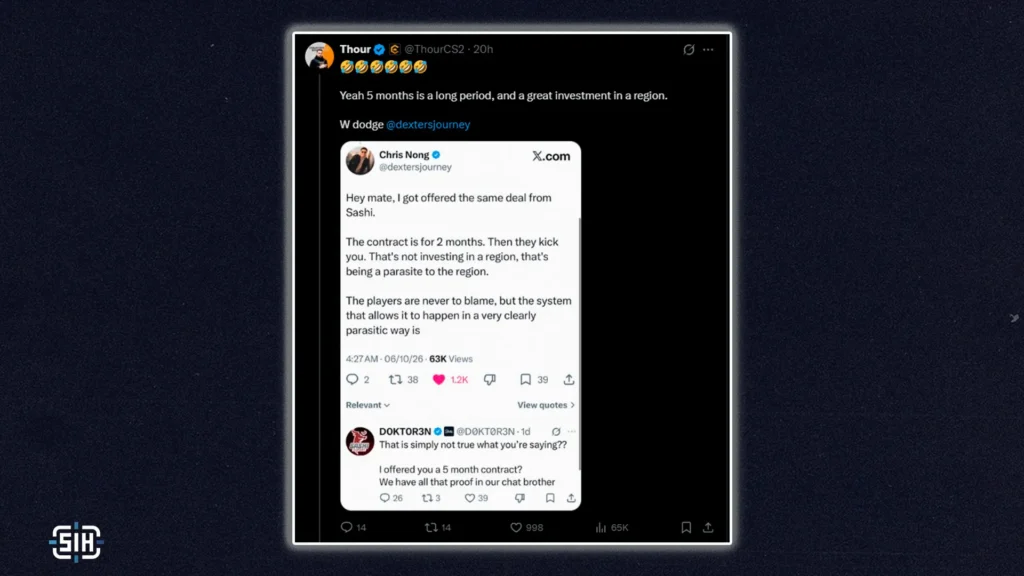
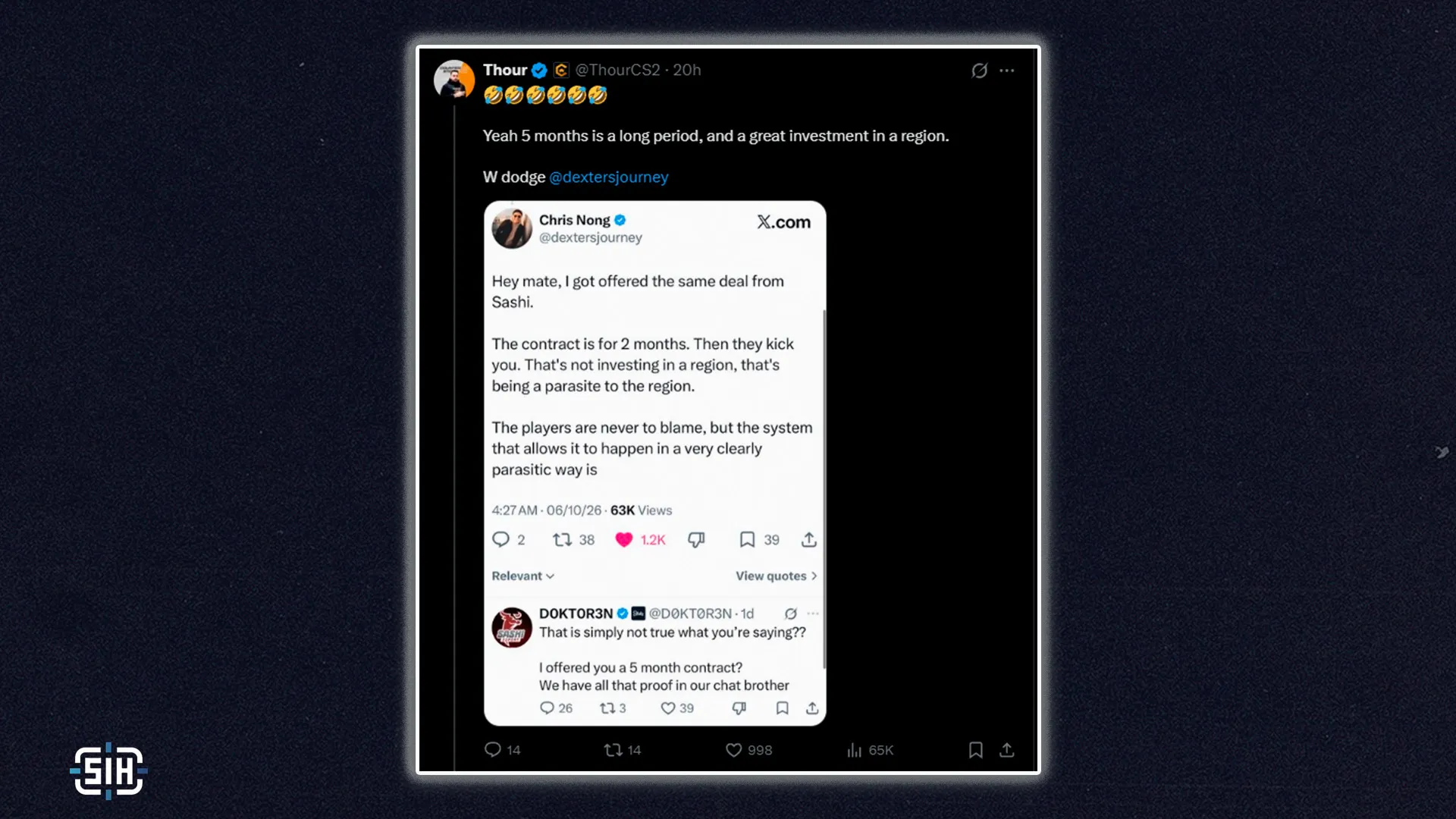
As for Valve themselves, “exceptions” certainly don’t look great. But to be fair, the Sashi and BC.Game situations really are completely different. Even before the decision, Twistzz pointed out that none of BC.Game’s players had used a hidden dual nationality, while Australian dexter said Sashi offered him a contract of just two months. Sashi’s owner says it was five, which hardly makes it any less short-term. Add to that Sashi’s behavior on social media, which came across like sulky kids desperate to annoy someone and grab attention. This was clearly Valve making an example of them, and the rumors that the rule change was triggered by Sashi specifically sound very believable.
The main thing worth noting is that Valve really do watch and listen to the community. As a precedent, this decision should be seen as a positive: rules that can be challenged and reconsidered are better than rules that strike retroactively and indiscriminately.

Alex
Alex is an author and esports observer with more than seven years of experience. He specializes in analyzing new releases in the world of computer games, gaming services, and in-game economies. Alex shares practical experience and an expert perspective on the development of gaming, helping readers understand complex mechanics and stay up to date with the latest news.