Halloween in CS:GO and CS2: A History of Valve’s Spooky Events and Why They Disappeared
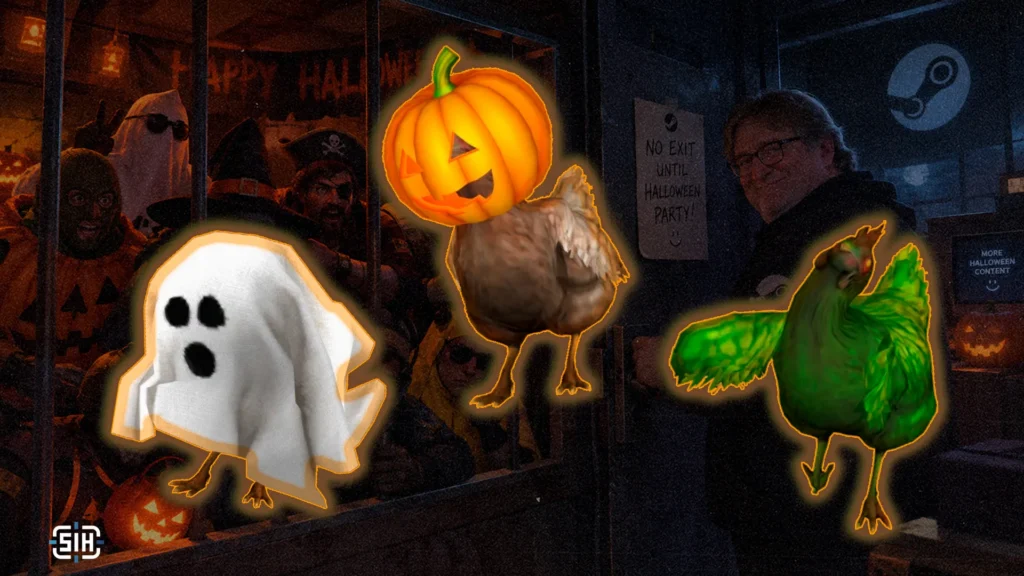
Halloween is just days away, and CS2 still doesn’t have a single pumpkin. No zombie chickens, no ghosts, no candy corn flying out of your rifle — the holiday that used to turn CS:GO into a little amusement park has been passing the game by for years now. As sad as it sounds, the community has made peace with that and stopped expecting these kinds of “treats” from Valve a long time ago. Still, we can’t resist a trip back to the good old days. So let’s look at how it all went down and figure out where the holiday spirit went.
2013: Chickens in Bedsheets
The first Halloween update was a modest one, but it kicked off a fun tradition. Valve dressed up the map chickens as ghosts — bedsheets with eyeholes cut out and little chicken feet poking out from underneath. No new modes, no new mechanics, just a visual gag.
The mascot wasn’t a random pick: by then, chickens were already part of CS:GO folklore. That same year at DreamHack Winter 2013, kennyS died because of a chicken. It bolted just ahead of the French AWPer, and his opponent, reacting to the movement, pulled the trigger a split second earlier than planned. After their Halloween debut, chickens became the game’s go-to holiday characters, later showing up in Christmas sweaters, reindeer antlers, and pumpkin heads.
2014: Masks, Ghosts, and Chicken Hell
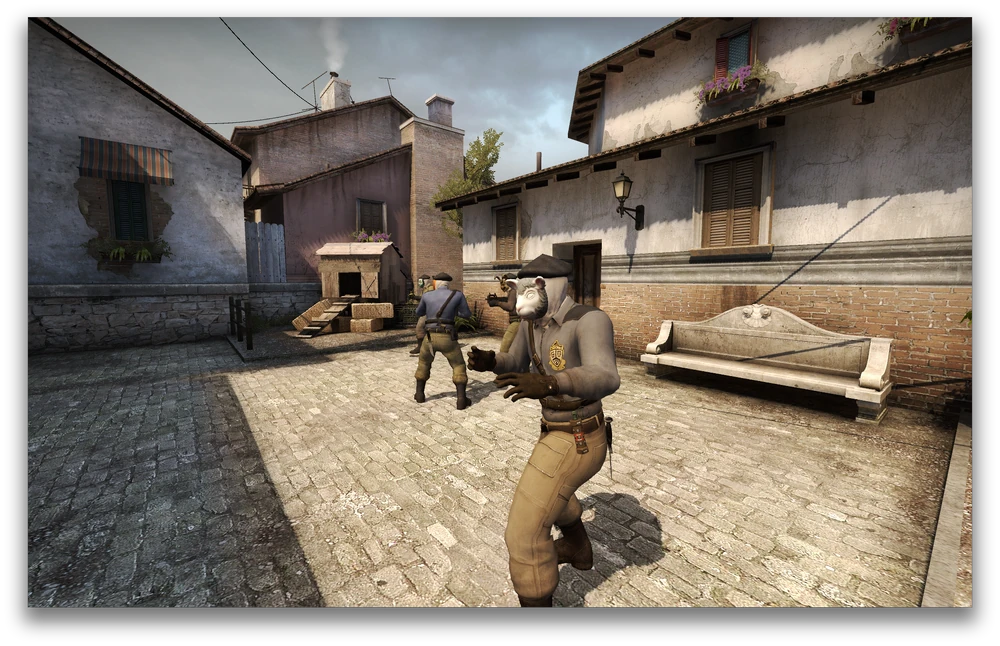
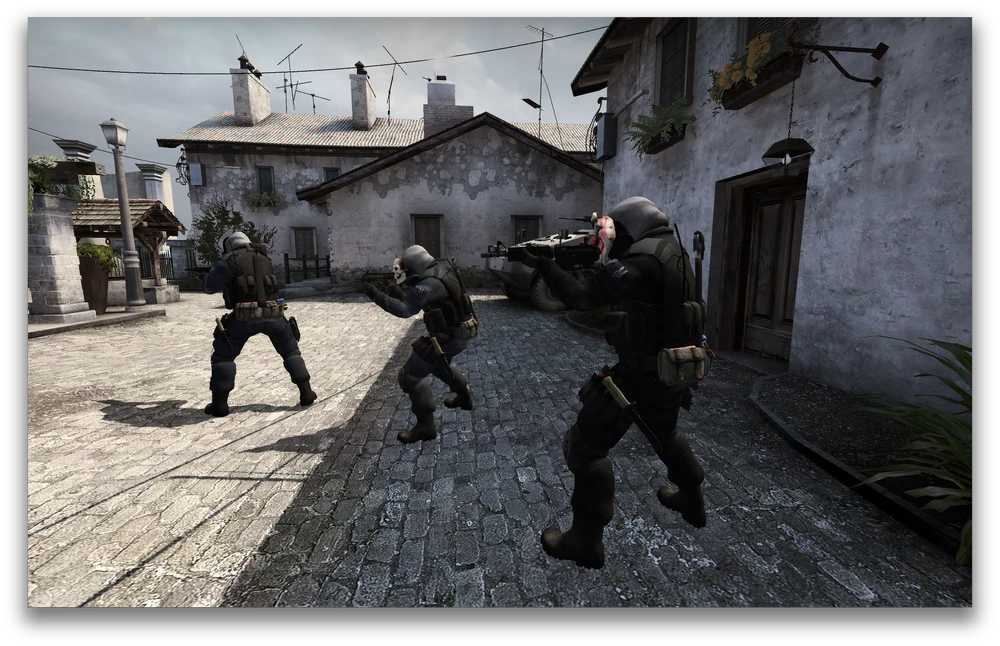
A year later, Valve got more ambitious. The update was called the Mask-erade: in casual modes, player models wore holiday masks, some of them borrowed from Payday 2 and Team Fortress 2. Heister clown masks and jack-o’-lantern heads on SWAT operators looked completely absurd, which is exactly why people still remember them. For server owners who weren’t in the mood for a costume party, Valve left an option to switch holiday mode off.
The second feature was ghosts. Dead players became visible to other fallen players, so you could drift around the map with your teammates while the living finished out the round.
But the real stars were the chickens. Valve’s patch notes offered just one ominous line about chicken hell being out of room, and players quickly figured out what that meant: shoot a chicken, and it would rise again as a green zombie chicken with its wings spread wide. You could kill it a second time — and that one stuck.
2018: Graveyard Shift, the Last Big Party
After 2014, the tradition ran out of steam. In 2016, for instance, the entire celebration boiled down to pumpkins on chickens’ heads in a patch that was mostly about Overwatch changes. But in 2018, Valve delivered the biggest — and, as it turned out, final — full-scale Halloween event in CS:GO history, packing in the best of everything that came before.
In several game modes, dead players turned into ghosts for the rest of the round. Only other ghosts and spectators could see them, but they had plenty to keep them busy: spraying graffiti, knocking props around, possessing bots, and turning chickens into zombies. Chickens spawned in every non-competitive match, put their ghost costumes back on, and finally learned to stop walking into walls. Two pumpkin soccer balls spawned at random spots on each map, and bullets were visually swapped for candy corn — the tricolor treat no American Halloween is complete without.
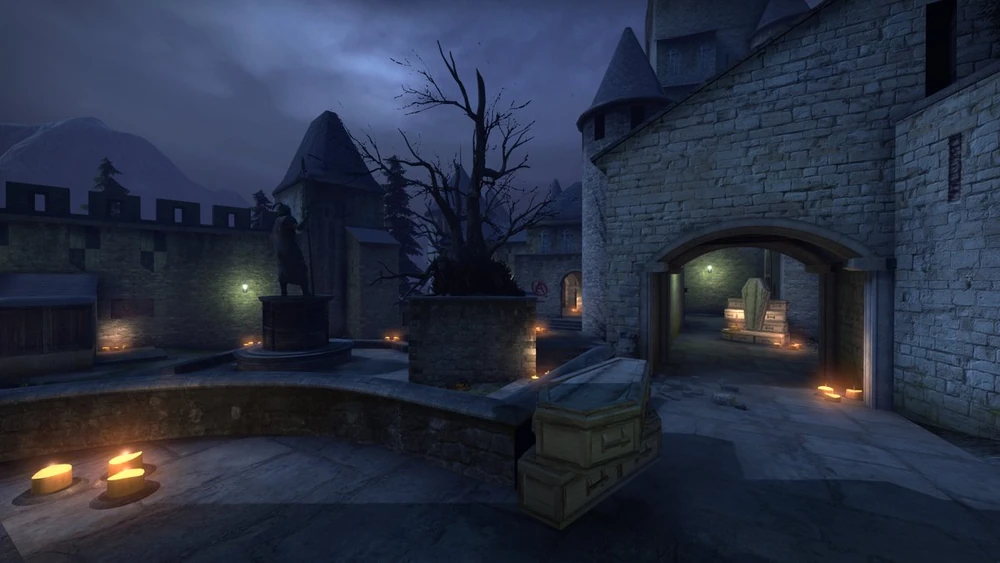
Cobblestone deserves a story of its own. In April 2018, Valve pulled the map from the Active Duty pool to make room for the reworked Dust II, then rolled out a gloomy nighttime version for Halloween, complete with candles, coffins, and bare trees. Under the decorations were the most drastic layout changes the map had ever seen: Valve removed the connector between Long A and Underpass, added a window to Underpass, and blocked off most of T spawn. It didn’t save the map — in March 2019, Cobblestone was pulled from matchmaking entirely due to low popularity. The Halloween version ended up being its last life in CS:GO.
2021: Dreams & Nightmares
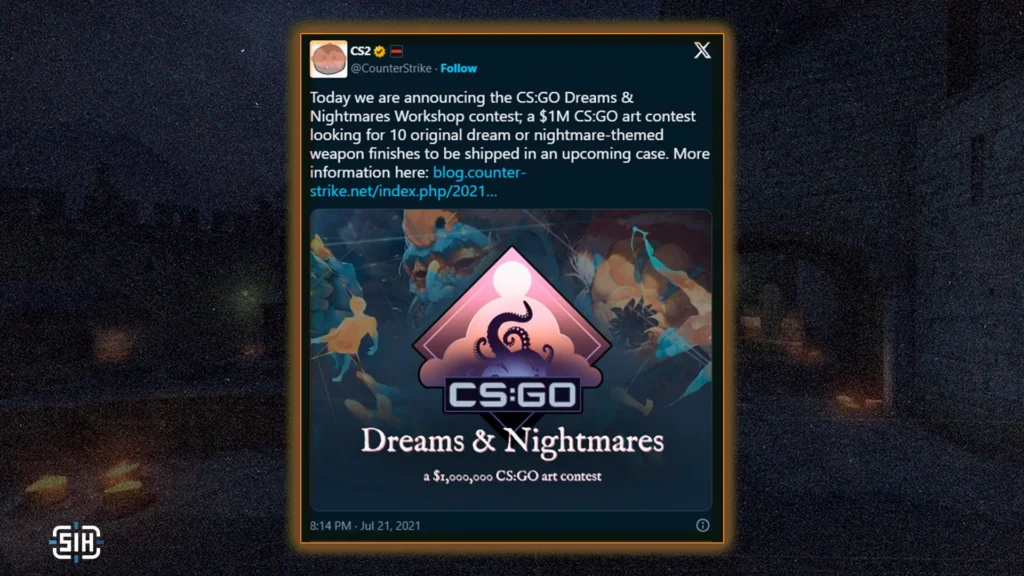
There were no more in-game celebrations after that, but Halloween made one more appearance in 2021 — through the Workshop. Valve launched the Dreams & Nightmares contest: artists from around the world submitted skins themed around dreams and nightmares, and the winners got a one-time payout. Submissions closed on October 21, right before the holiday.
The original prize pool was $1,000,000 split among 10 winners, but out of more than 15,000 entries, Valve ended up picking 17, and each creator took home $100,000. The Dreams & Nightmares Case itself didn’t arrive until early 2022, but the event was designed as a Halloween one from the start.
The format was a first for CS:GO, and it came with an interesting catch. Skin creators pointed out that despite the hefty sum, the one-time payout came in lower than what they would have earned by landing in a case the usual way, with ongoing royalties from key sales.
What's Left in Your Inventory
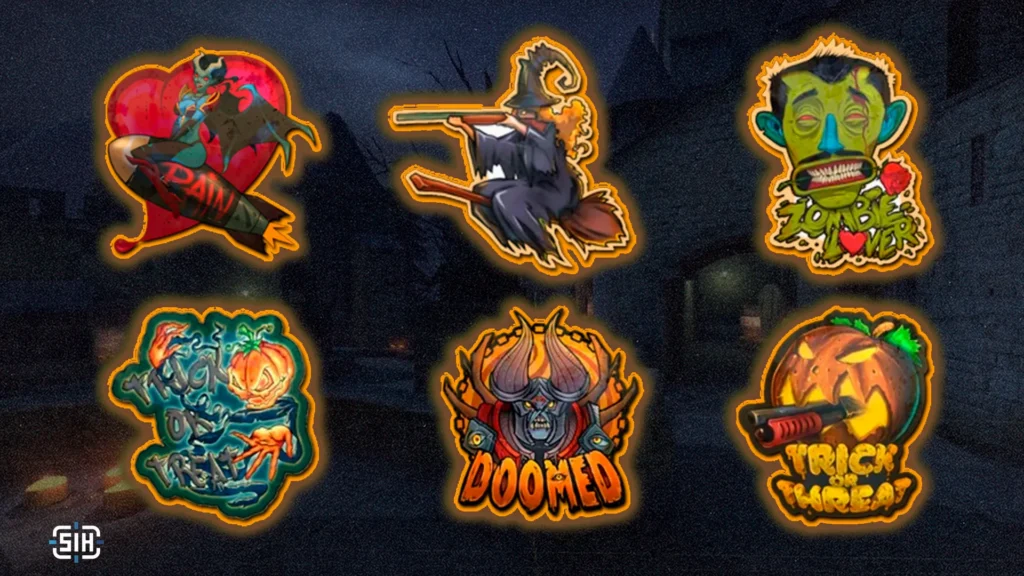
Almost everything Valve added for Halloween was temporary: the masks came off, the chickens went back to normal, and the candy corn turned back into bullets. Only two things from those holidays are still sitting in players’ inventories.
The first is the Community Stickers Halloween 2014 capsule, featuring community-made stickers like Queen Of Pain, Witch, Zombie Lover, Doomed, Trick Or Treat, Trick Or Threat, and more. Today, the regular versions go for under a dollar — a cheap way to own a piece of CS:GO history. The second is the Dreams & Nightmares Case, still one of the most recognizable cases in the game. And if you’re in a festive mood, check out the Halloween skin roundup we put together last year.
Why Did the Events Stop?
There’s no definitive answer. Before CS2 came out, everyone chalked up the lack of holiday content to the move to Source 2: the old engine wasn’t well suited to content updates, so it made sense to throw everything at shipping the new one as fast as possible. The move happened, but the holidays never came back.
Honestly, the “not enough resources” excuse doesn’t hold up. Right now, Team Fortress 2 is running Scream Fortress XVIII — its 18th straight Halloween event, a tradition dating back to 2009 — which lasts until November 7. It brings five new community maps, refreshed contracts, a case with 23 community-made cosmetics, and new taunts. In other words, Valve throws a party every year in a game the community wrote off long ago, but skips it in its flagship shooter. This clearly isn’t about capacity. It’s about priorities.
Let’s be real: Valve lost the loyalty of most of its community a long time ago, and pumpkins and zombie chickens probably won’t win it back. Sure, an event like this would bump the player count for a couple of weeks, but Valve seems to be betting on long-term events instead. Case in point: the Armory Pass, which launched two years ago and isn’t going anywhere.
We don’t buy that approach. Holiday events aren’t just nostalgia for veterans — they’re a way to pull in new players who log on just to see what’s new. The bedsheet chickens proved you don’t need a massive game mode for that; a small but noticeable addition does the trick. And TF2 shows how to pull it off on a budget: the CS2 Workshop is already packed with Halloween maps and items, so all Valve would need to do is pick the best ones and package them into an event.
Will Halloween Ever Return to CS2?
We think so — just not in the next couple of years. Sooner or later, Valve will have to put its heart back into one of its biggest creations, but first, it seems, the devs will tackle problems far bigger than holiday decorations.
There’s also a symbolic reason for hope. In September, dataminer Thour reported that ambient sound files for Cobblestone had turned up in a CS2 update, and back in the spring, insiders pointed to a release window between October 2026 and March 2027. If the leaks are right, the remake will be snow-themed. The map that left CS:GO surrounded by candles and coffins could come back under a blanket of snow — and maybe that’s the first step toward holidays becoming part of the game again. Until then, all we can do is rewatch old clips of candlelit Cobblestone and remember that green chicken charging at you right after you’d shot it.

Alex
Alex is an author and esports observer with more than seven years of experience. He specializes in analyzing new releases in the world of computer games, gaming services, and in-game economies. Alex shares practical experience and an expert perspective on the development of gaming, helping readers understand complex mechanics and stay up to date with the latest news.

